

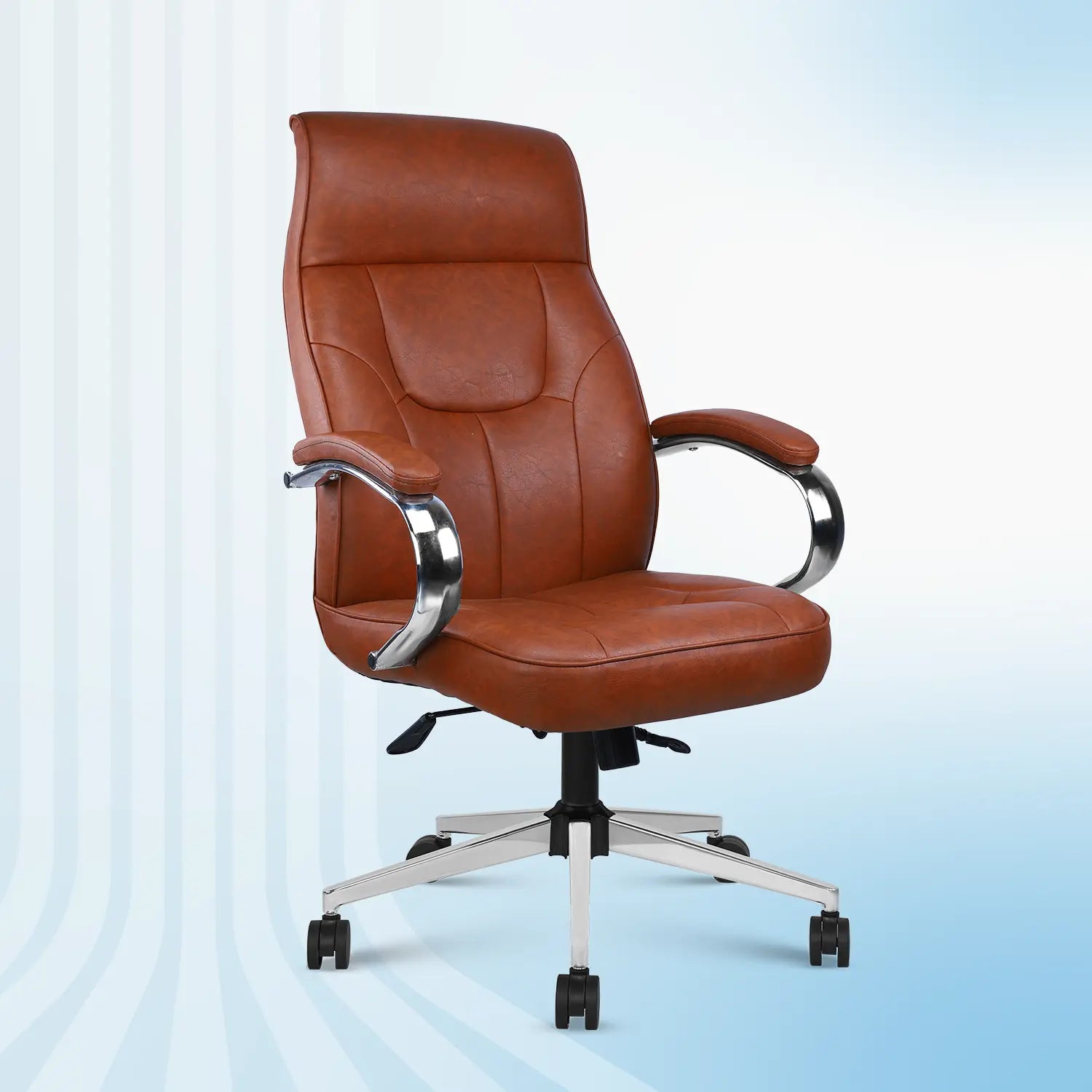
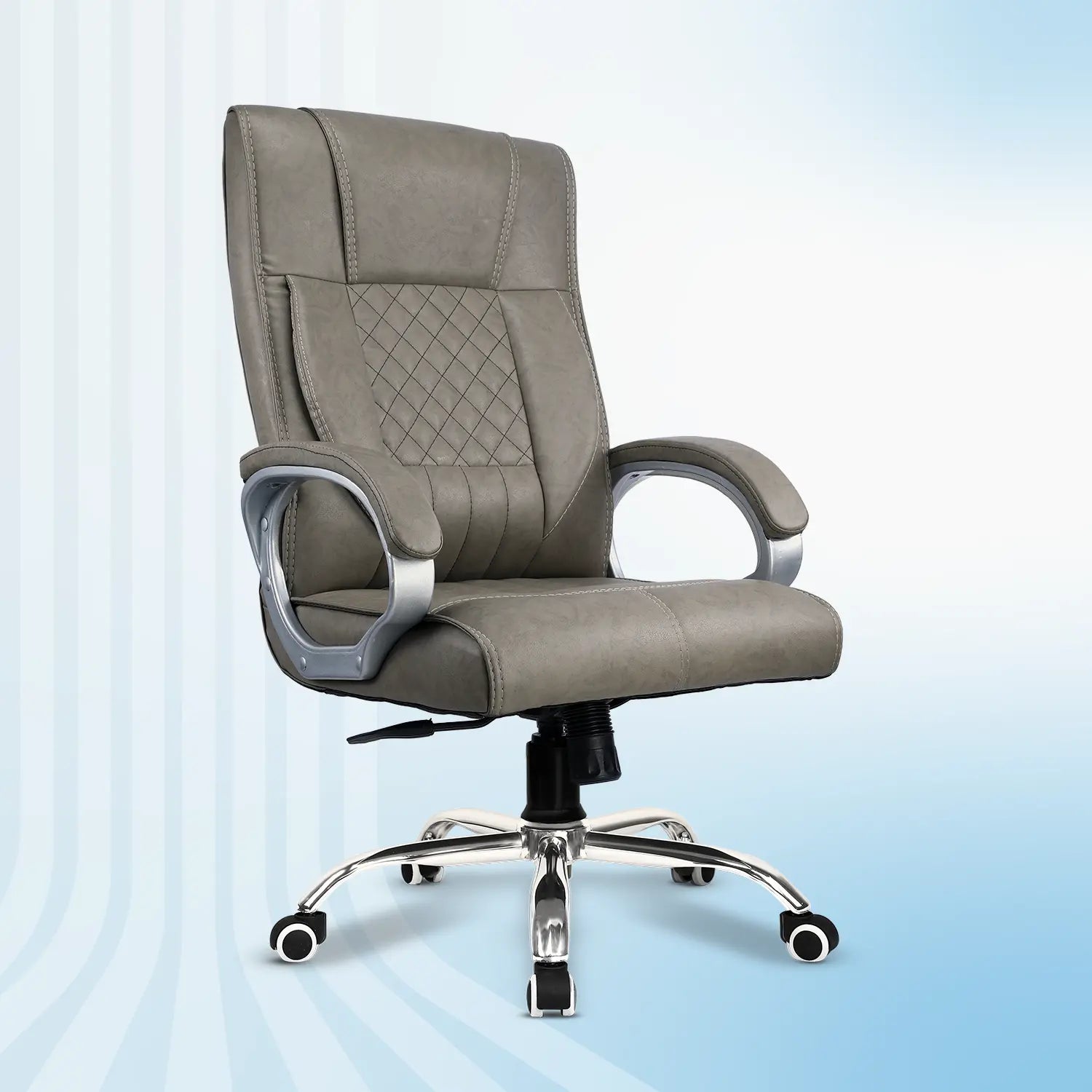
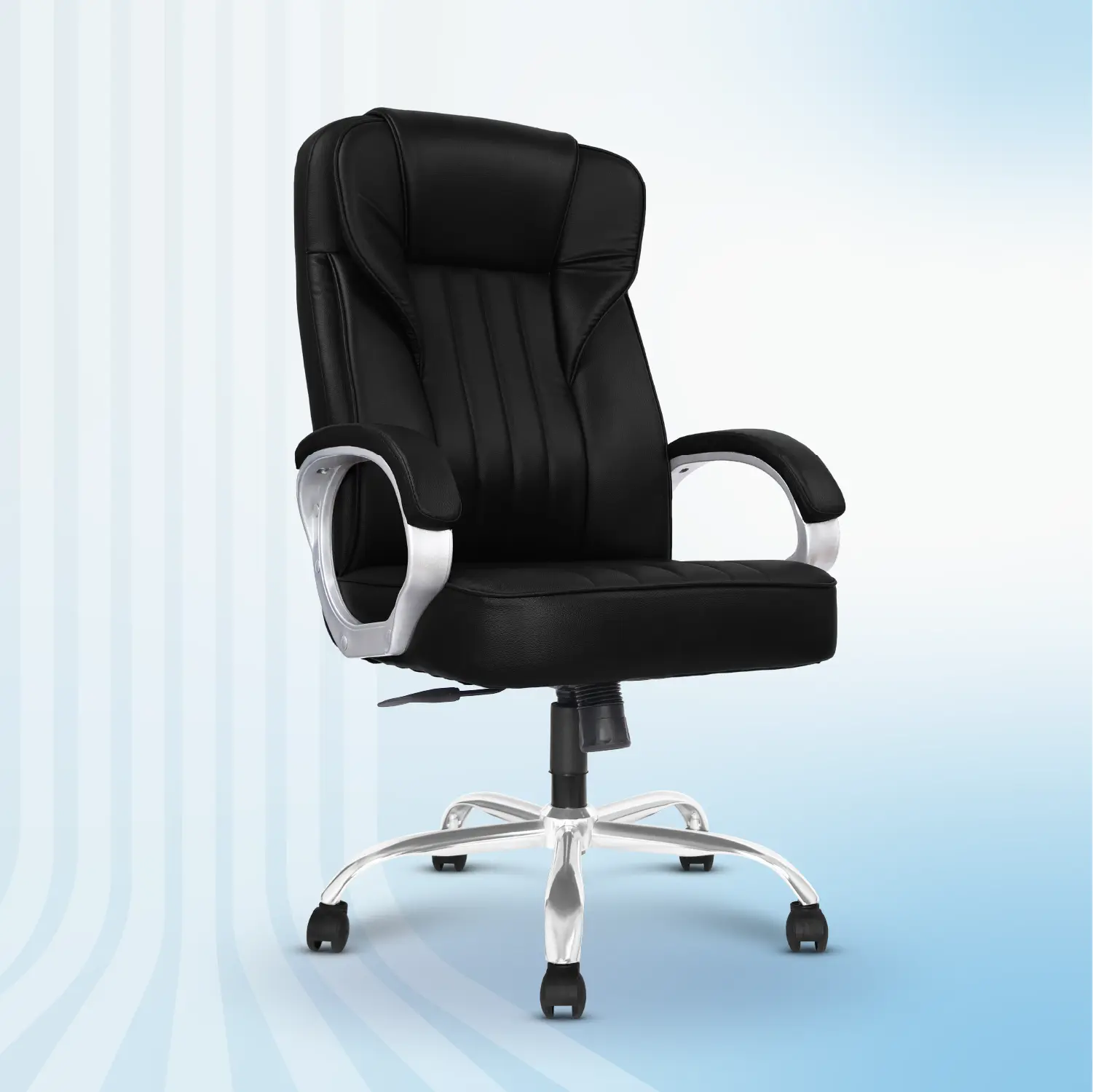

Office seating is no longer just about filling floor space with desks and chairs. Today, office seating solutions and the office chairs behind them directly influence how teams work, collaborate, and stay productive throughout the day.
Whether you are setting up office seating for a small office with limited space or planning a bulk office chair order for a large corporate workspace, the way you select chairs and design seating layouts can quietly shape employee comfort, efficiency, and even long-term retention.
Workplace studies consistently show that employees spend 7-9 hours a day seated, and nearly 65% of office workers experience back or neck discomfort linked to poor seating setups. Research also suggests that uncomfortable seating can reduce productivity by up to 17%, simply because employees struggle to stay focused during long work hours.
This guide explores office seating and chair solutions for small and large offices, helping businesses, HR teams, and procurement managers understand what to look for when choosing chairs, especially for bulk, wholesale, or business orders and how to plan seating layouts that support performance.
Why Office Seating Plays a Key Role in Productivity
Most productivity conversations focus on tools, software, or workflows. Seating rarely gets the same attention yet it affects employees every single working hour.
Office seating is not just about where employees sit; it's about the quality of the chair supporting them throughout the workday.
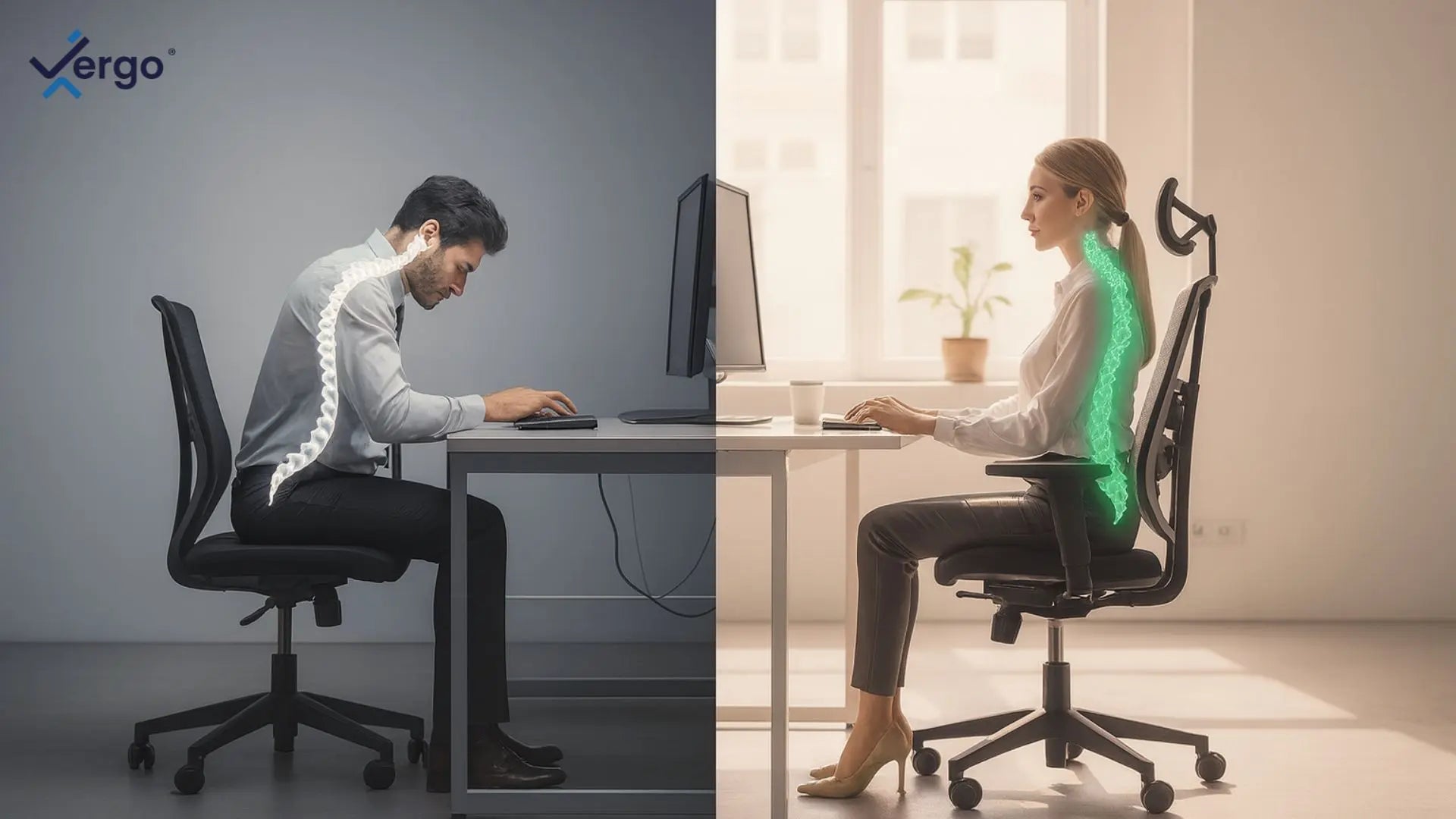
Poor office seating often leads to:
- Frequent posture changes and physical discomfort
- Shorter attention spans
- More breaks due to fatigue
-
Long-term health complaints
Studies show that nearly 65% of office workers experience discomfort linked to unsuitable chairs, which directly affects concentration and efficiency.
On the other hand, well-planned office seating arrangements with the right office chairs help maintain proper posture, reduce physical strain during long work hours, improve focus, and create a more comfortable, professional environment.
For businesses, seating becomes a productivity and people investment, not just a furniture decision.
Office Seating Challenges in Small Offices
In small offices, every chair matters.
Limited floor space often forces businesses to compromise on chair size, adjustability, or ergonomic support just to fit more workstations. Unfortunately, this often results in discomfort and inefficient use of office seating space.
Common challenges include:
- Limited floor area for desks and chairs
- Crowded layouts that restrict movement
- Chairs blocking walkways or storage
-
Compromised ergonomics to save space
Studies on workspace density indicate that overcrowded office seating can reduce productivity by nearly 20%, mainly due to discomfort and restricted movement.
Smart office seating for small offices focuses on choosing the best office chairs for small spaces, ergonomic seating that supports long hours without bulk, adjustable chairs suitable for shared use, and layouts that can scale as teams grow.
The goal is not to fit more chairs but to choose office chairs that work efficiently in limited space.
Office Seating Requirements for Large Offices
Large offices face a different challenge: standardising the right office chair across teams and departments, often through bulk or wholesale business orders.
When hundreds of employees use mismatched or non-ergonomic chairs, discomfort complaints rise quickly. Corporate workspace studies show that organisations investing in consistent ergonomic chair standards experience fewer sick days and higher employee satisfaction.
Key requirements for large offices include:
-
Uniform seating standards across departments
-
Chairs built for daily, long-hour usage
-
Ergonomic consistency to reduce complaints
-
Seating that supports both individual and collaborative work
Bulk office chair procurement also simplifies maintenance, replacements, and future expansion for growing teams.
Large offices typically require seating for open workstations, meeting and conference rooms, manager cabins, and collaborative or breakout zones. A thoughtful office seating arrangement ensures every space supports how teams actually work.
Ergonomic Office Seating Solutions for Modern Workspaces
Ergonomics is no longer a “nice to have”—it’s a workplace expectation.
Modern businesses are increasingly moving toward ergonomic seating for long hours, especially when planning corporate or wholesale office chair purchases.
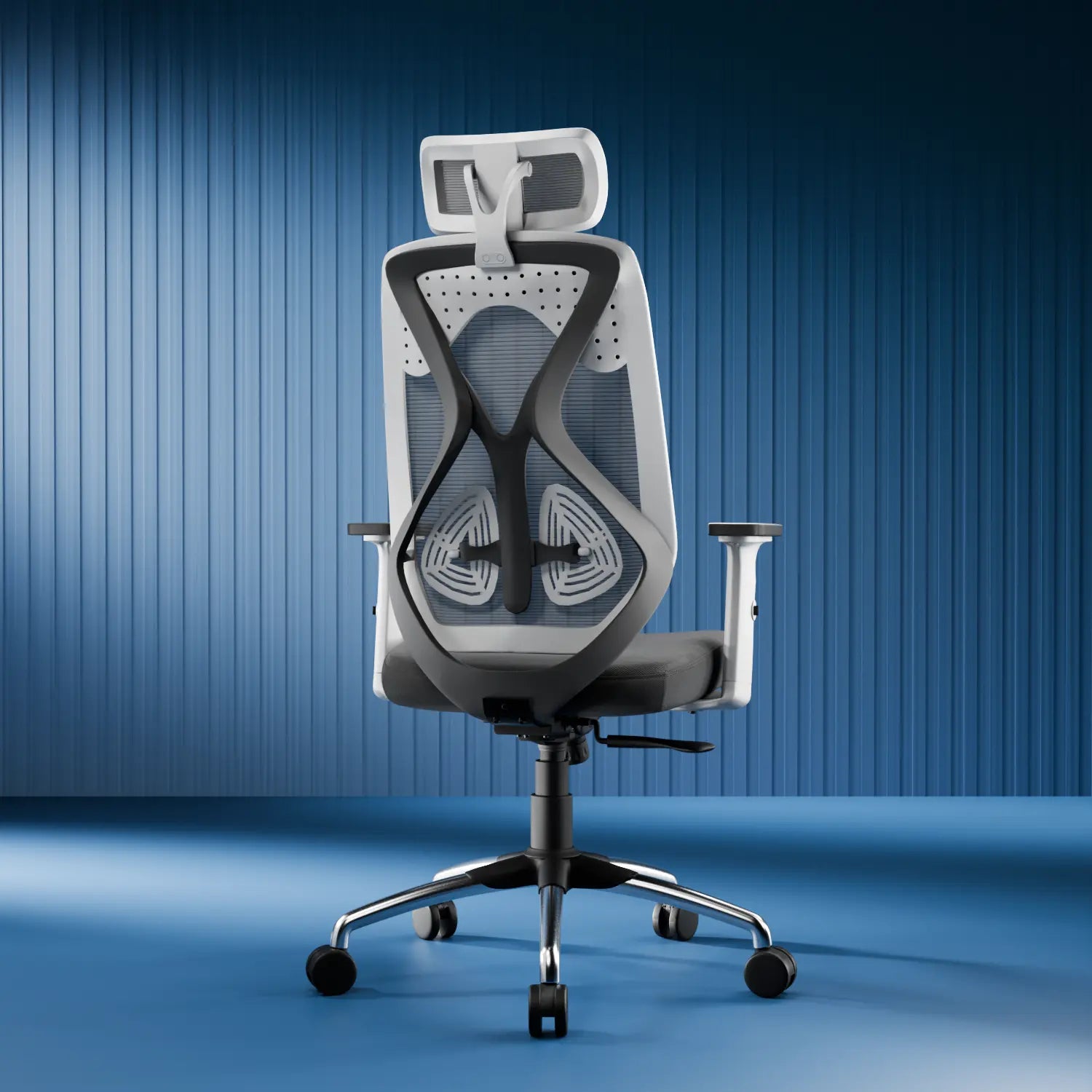
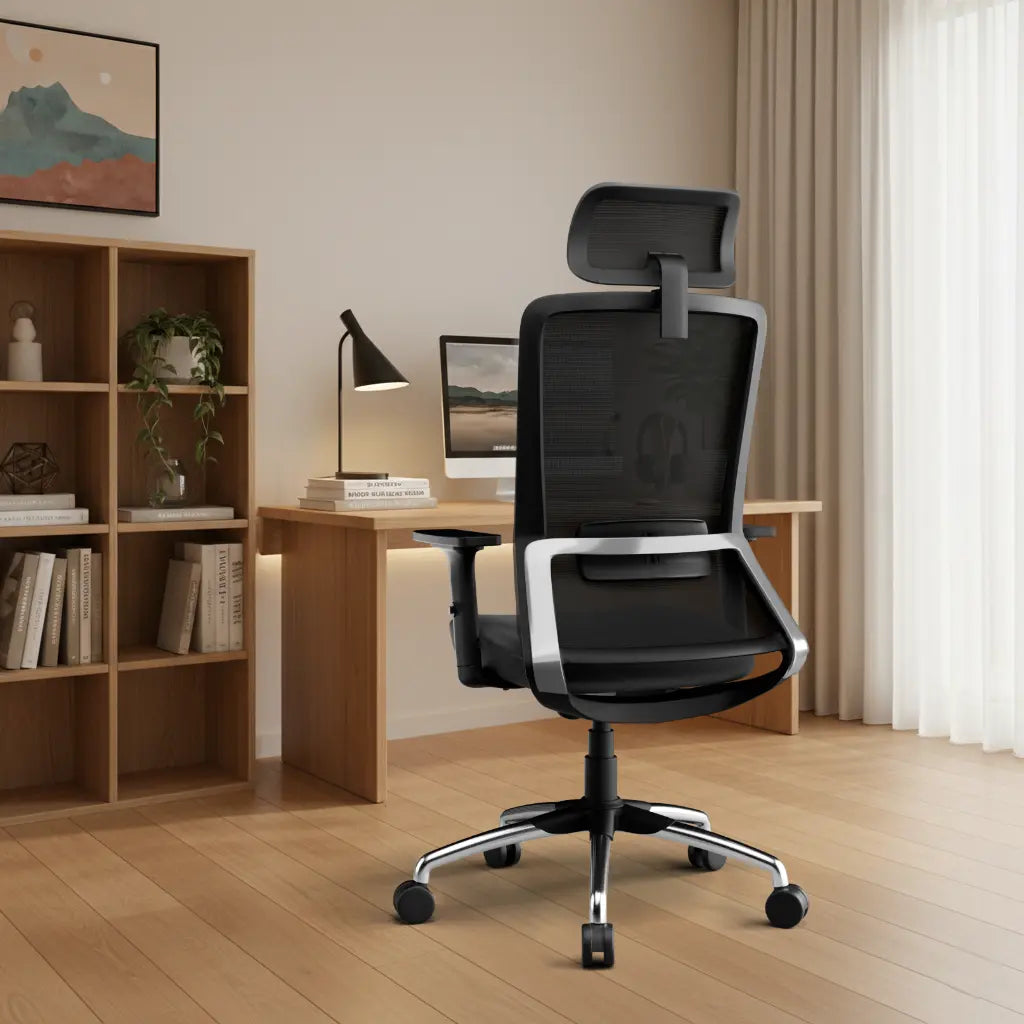
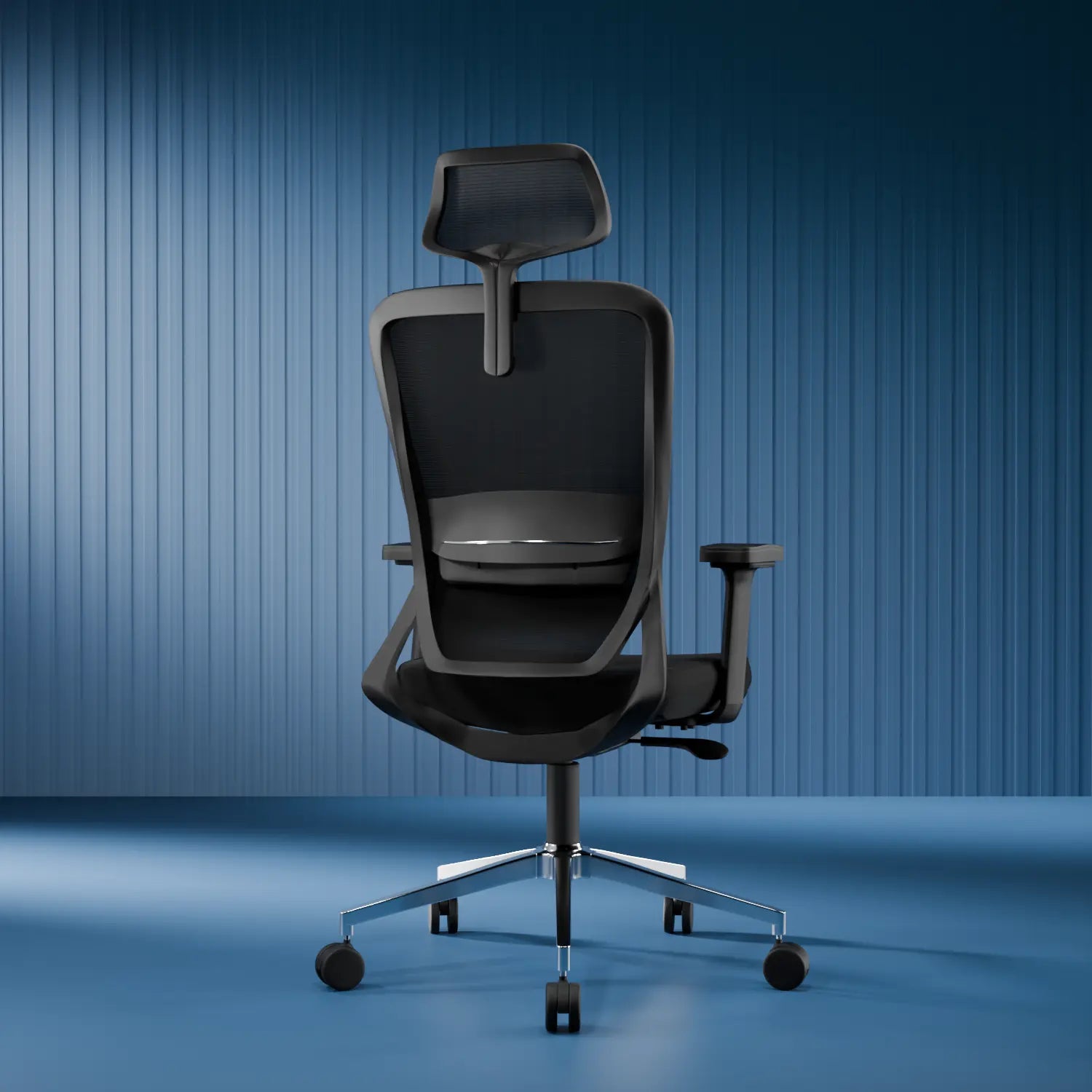
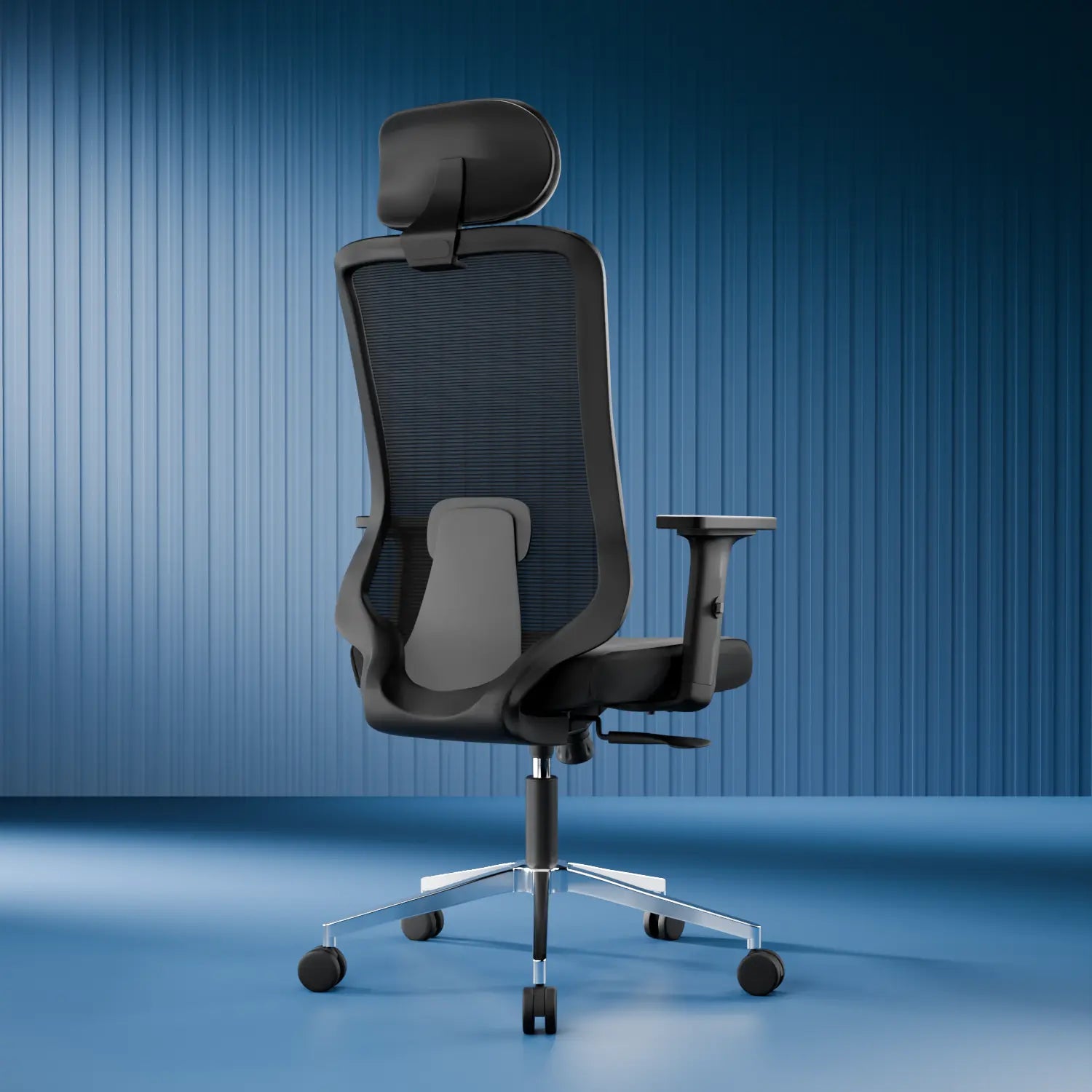
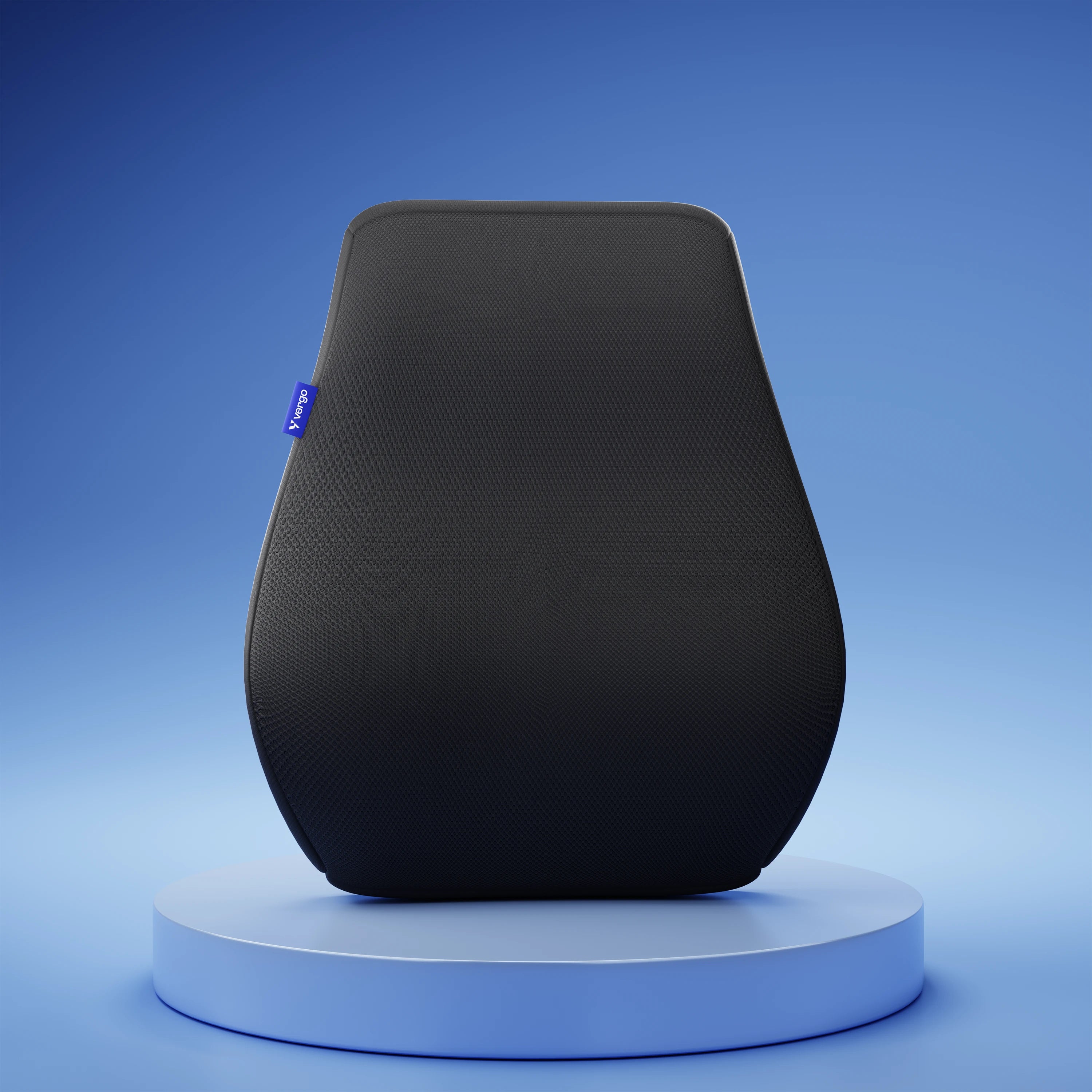
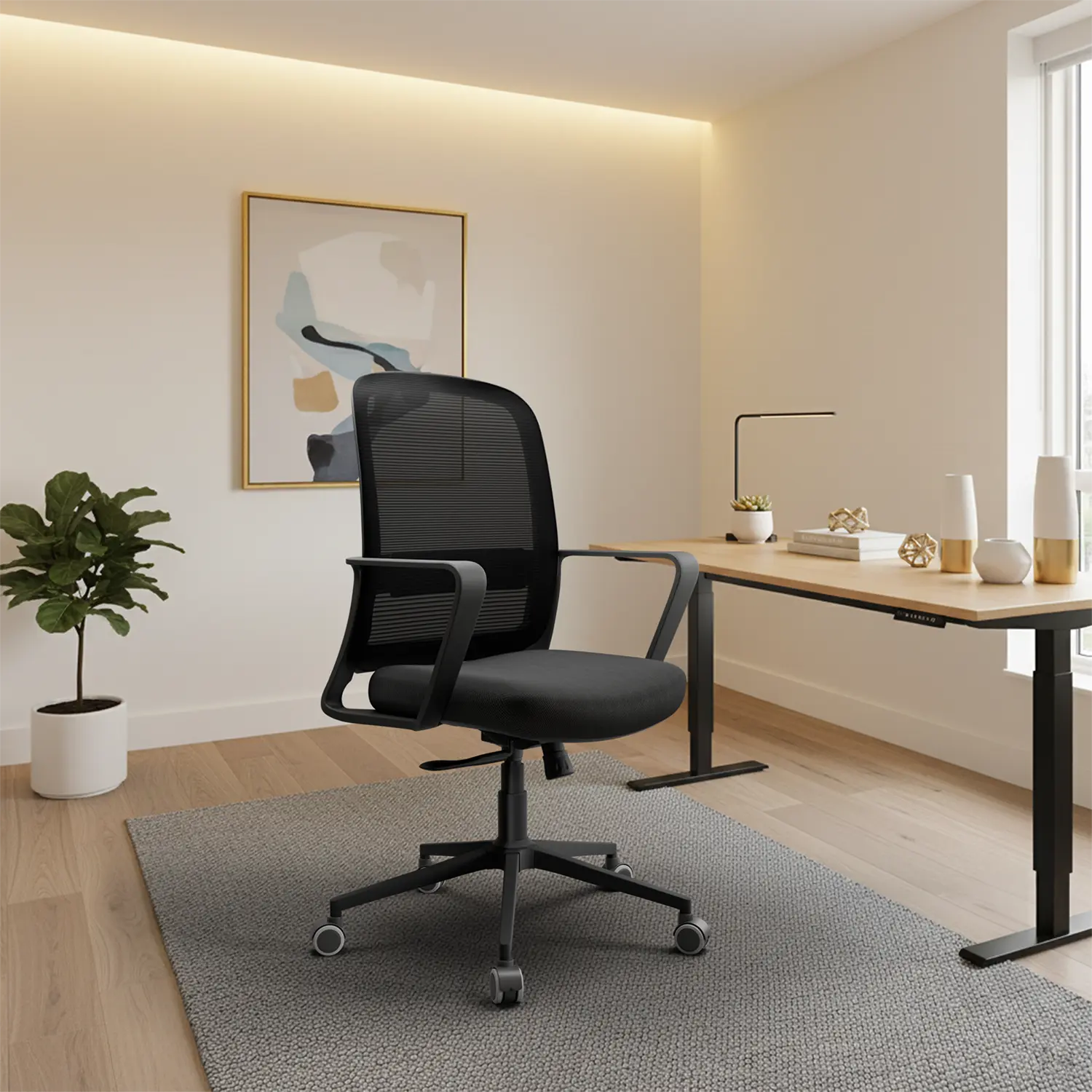
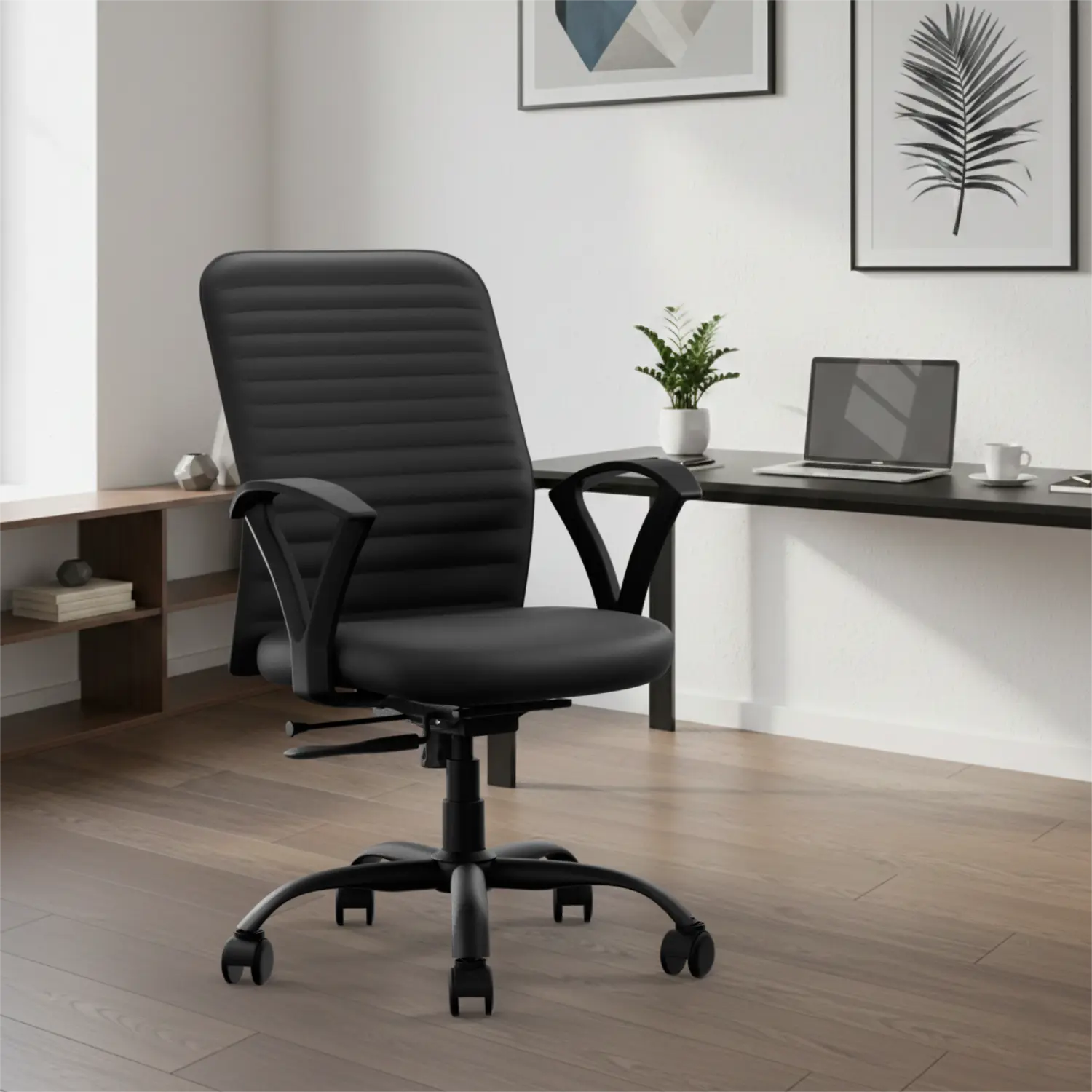
Key features businesses look for in ergonomic office chairs include adjustable seat height, lumbar support for spinal alignment, breathable materials for long sitting hours, stable bases with smooth mobility, and armrests that reduce shoulder and neck strain.
Research indicates that ergonomic chairs can reduce musculoskeletal discomfort by up to 40%, making them a practical investment for businesses focused on employee wellbeing and performance.
For both small and large offices, ergonomic seating helps minimise physical fatigue, support long workdays, and create healthier, more sustainable workspaces.
Office Seating Space Planning Tips
Good office seating isn’t just about chairs—it’s also about how much space surrounds them.
General office seating space guidelines include:
-
4–5 square meters per employee, including circulation space
-
At least 1 meter of clearance behind chairs
-
Clear aisles for easy movement and accessibility
Practical space-planning tips include avoiding desks pushed too close to walls, using modular seating layouts for flexibility, planning movement paths before adding more chairs, and not compromising ergonomic seating to increase headcount.
Research suggests that employees working in well-planned seating environments report higher comfort and lower fatigue, even during long workdays.
Choosing the Right Office Seating Based on Team Size
Different team sizes require different seating strategies—especially when placing business or bulk orders for office chairs.
-
For small teams (5–20 employees), compact ergonomic chairs and adjustable seating work best.
-
For mid-sized teams ( 20–100 employees) , standardised ergonomic office chairs with a mix of workstations and collaborative seating are ideal.
-
For large teams (100+ employees), consistent chair standards, high-durability seating, and specialised chairs for meeting rooms and cabins are essential.
Choosing office seating based on team size helps businesses balance cost efficiency, comfort, and scalability.
Recommended Office Seating Solutions for Businesses
When businesses evaluate office seating, the decision ultimately comes down to choosing the right chairs for employees—often through bulk, wholesale, or corporate orders.
Businesses should prioritise ergonomic design backed by research, chairs suited for long working hours, durable materials designed for commercial use, and reliable warranty and after-sales support.
These factors matter far more in business seating purchases than short-term cost savings.
Vergo as an Office Seating Partner
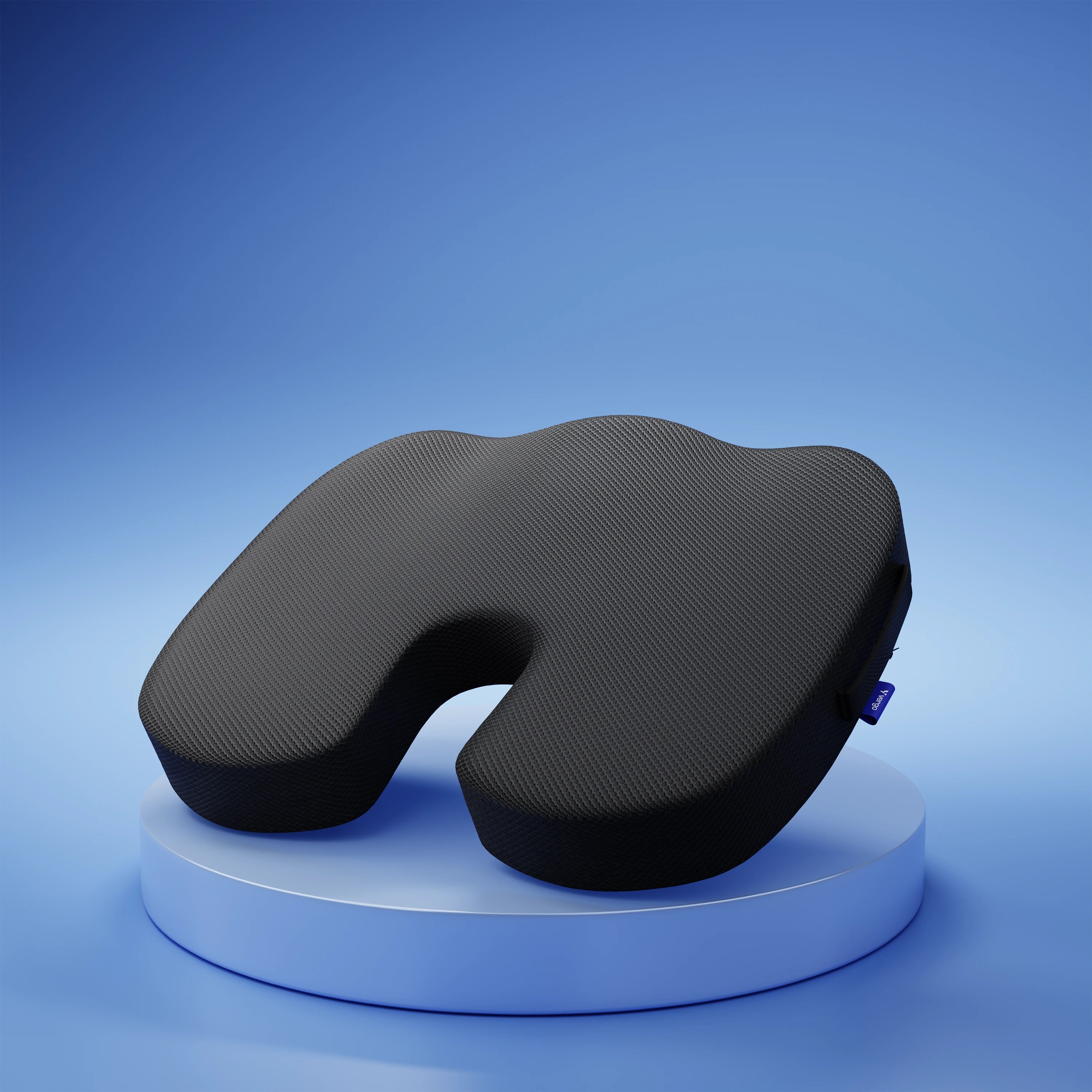
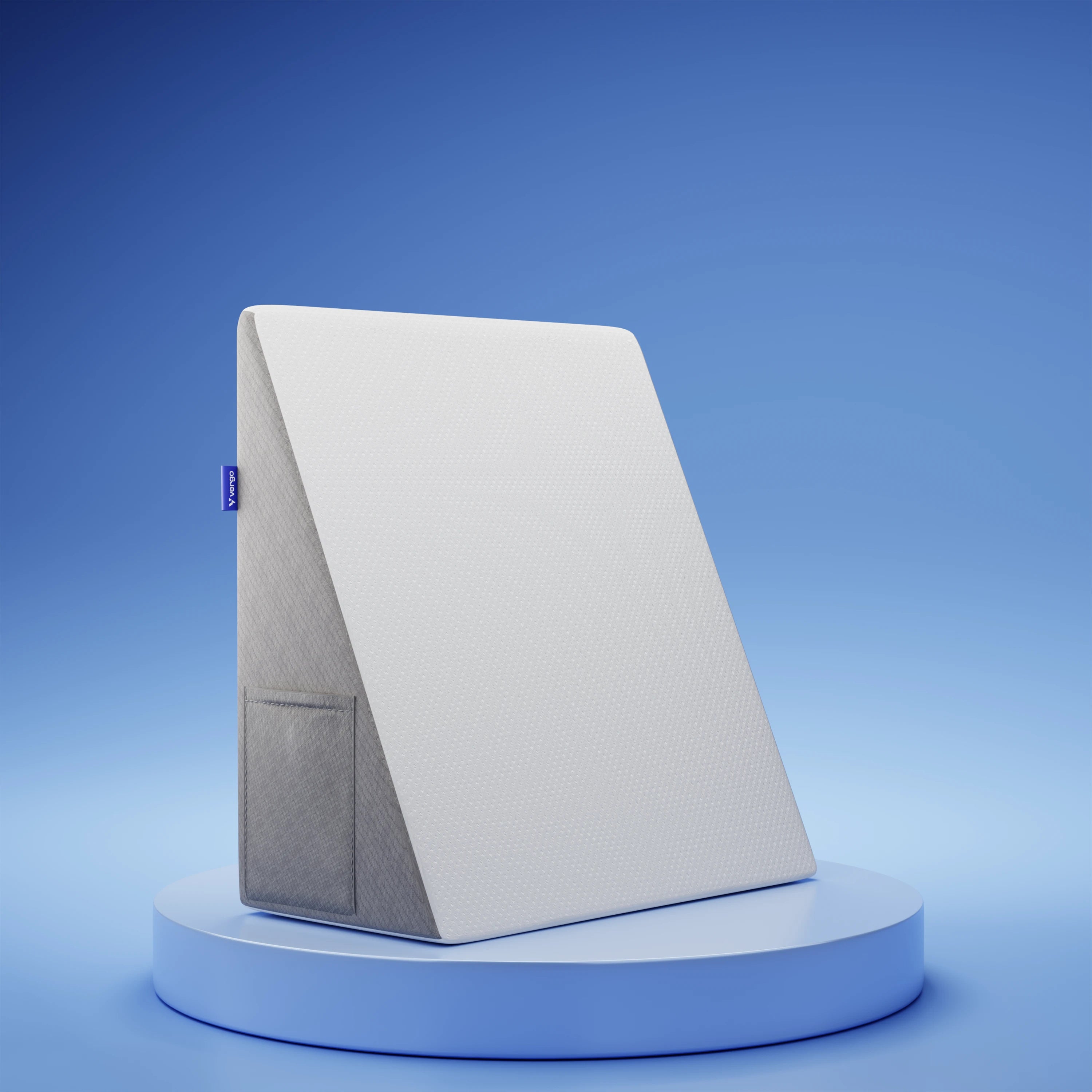
Vergo works with businesses to deliver corporate and bulk office seating solutions built for real workplace demands. Their office chairs are designed to support both small offices and large enterprises, focusing on long-term comfort, durability, and consistent performance across teams.
What sets Vergo apart is its end-to-end support for business customers. Along with ergonomic, space-efficient seating designs, Vergo offers:
- Reliable customer support for corporate and bulk orders
- A 3-year warranty, providing confidence in long-term use
- High-quality materials and build standards suited for everyday office environments
By combining ergonomic design with dependable service and warranty coverage, Vergo helps organisations plan office seating layouts that support productivity—without adding complexity to procurement or ongoing maintenance.
Final Thoughts
The right office seating solutions quietly shape how people work every day. From office seating for small offices to large corporate environments, seating decisions directly influence comfort, productivity, and long-term employee wellbeing.
By combining ergonomic office chairs, smart office seating space planning, and thoughtful seating arrangements especially when buying in bulk or through wholesale business orders organisations can create workspaces that support people, not just fill floor plans.
FAQs
1. How much seating space does one employee need?
On average, one employee needs 4–5 square meters, including desk, chair, and movement clearance.
2. Should offices invest in ergonomic chairs?
Yes. Ergonomic seating for long hours helps reduce discomfort, supports posture, and improves long-term productivity.
3. What is the best seating arrangement for offices?
The best office seating arrangement balances ergonomics, movement space, and collaboration needs rather than maximising headcount.