
Have you ever ended your workday with back pain, neck stiffness, or fatigue?
You’re not alone. Studies show that over 60% of office workers experience musculoskeletal discomfort due to prolonged sitting.
The real problem isn’t just sitting - it’s how you sit.
Your chair plays a critical role in:
- Posture alignment
- Spinal health
- Productivity levels
- Long-term well-being
In this expert guide, we’ll break down ergonomic chairs vs regular chairs, backed by research, real-world usage, and ergonomic science, so you can make the right investment.
What Are Ergonomic Chairs?
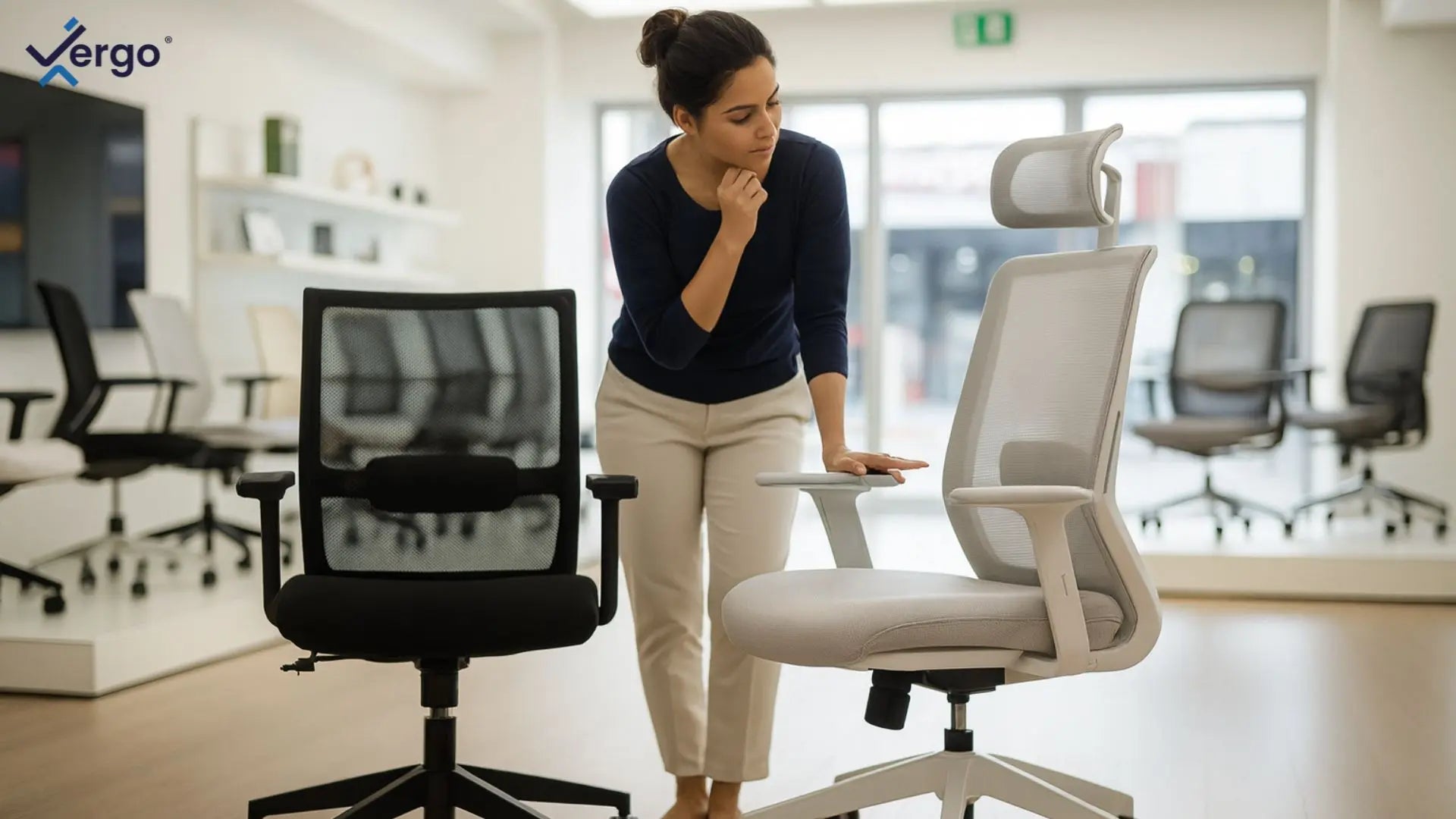
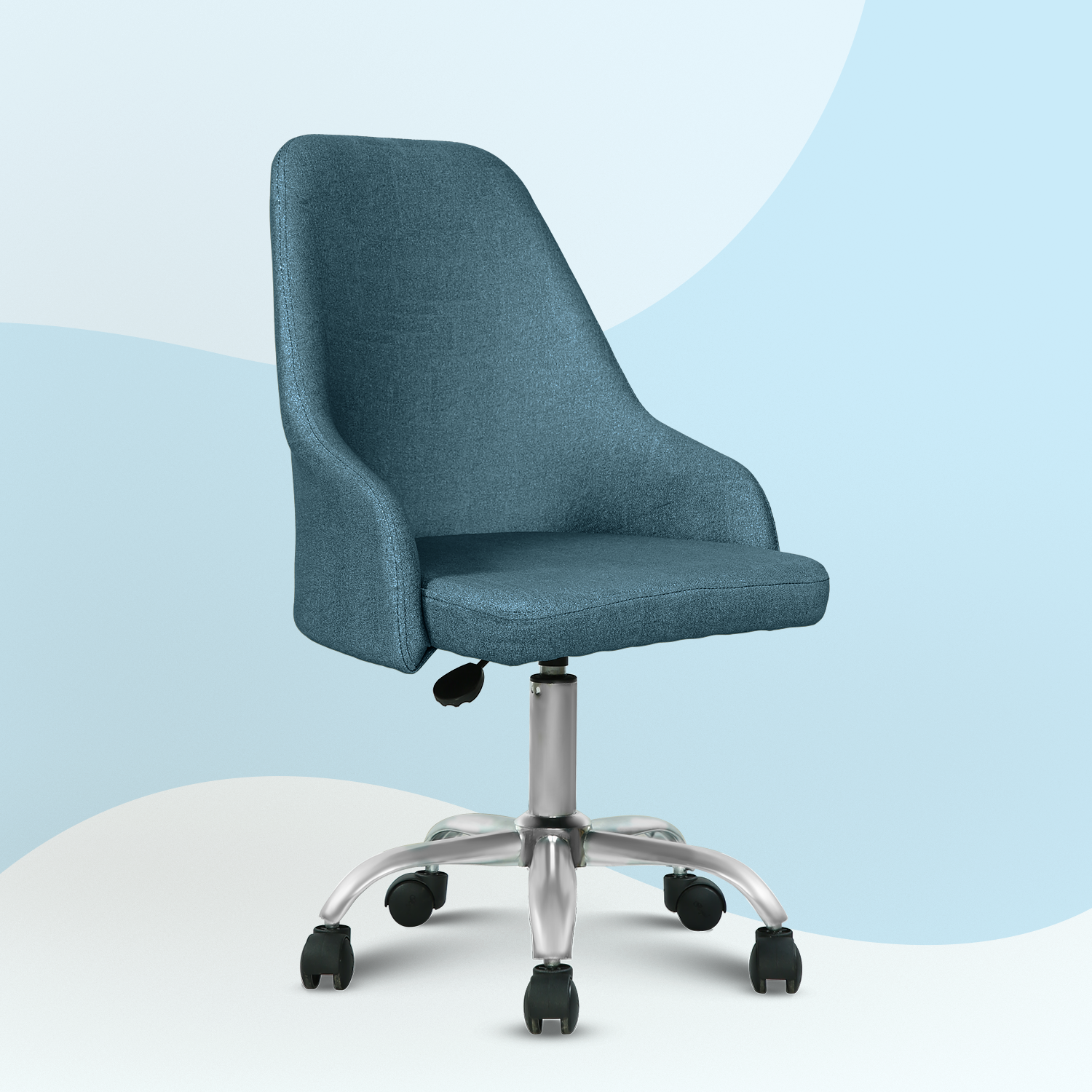
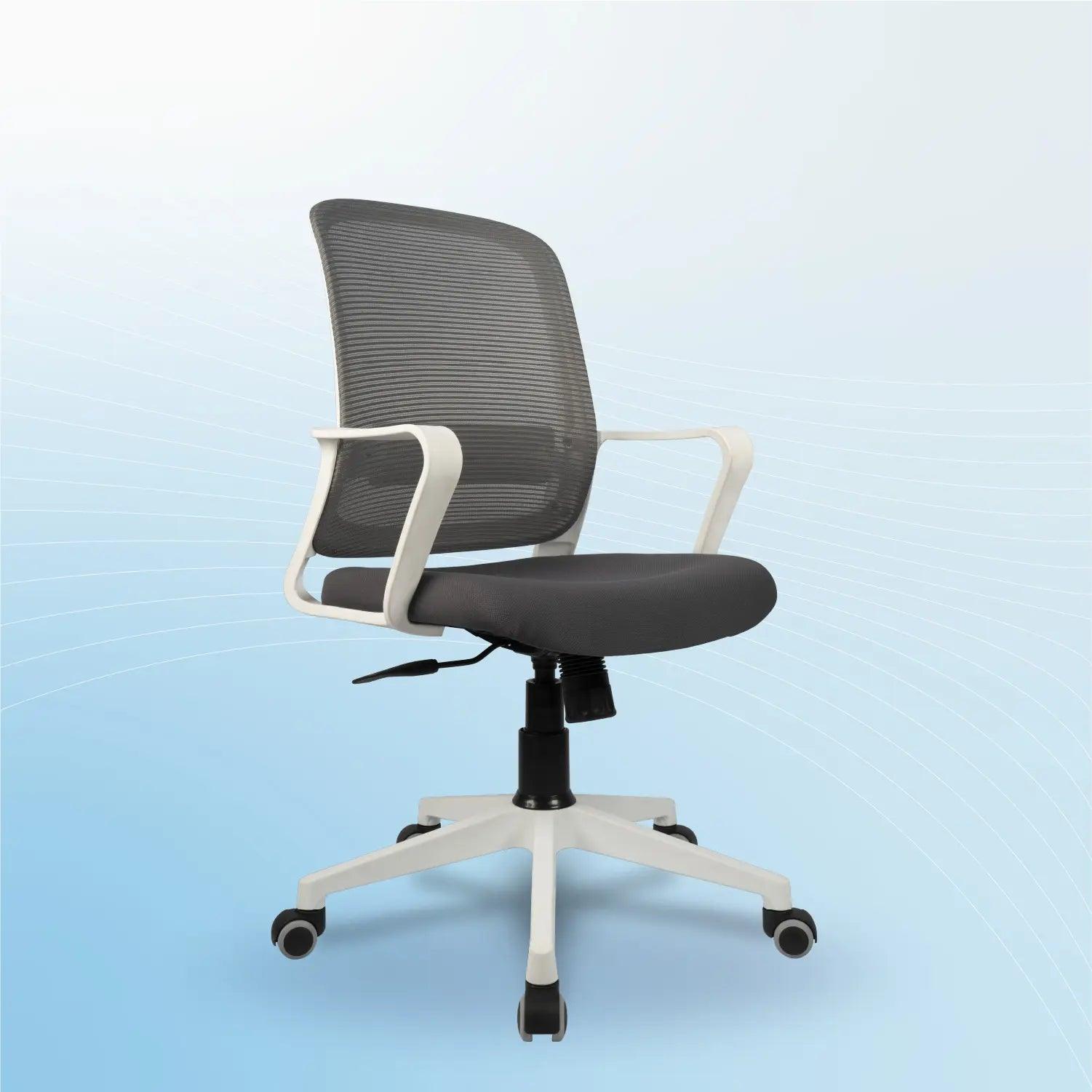
An ergonomic chair is scientifically designed to support the natural S-curve of your spine and adapt to your body’s movement.
Unlike traditional seating, these chairs include:
- Adjustable lumbar support
- Seat height & depth adjustment
- Armrest positioning (2D/3D/4D)
- Recline & tilt mechanisms
According to research in occupational ergonomics, adjustable seating can reduce lower back pressure by up to 50% and significantly improve posture.
What Are Regular Chairs?
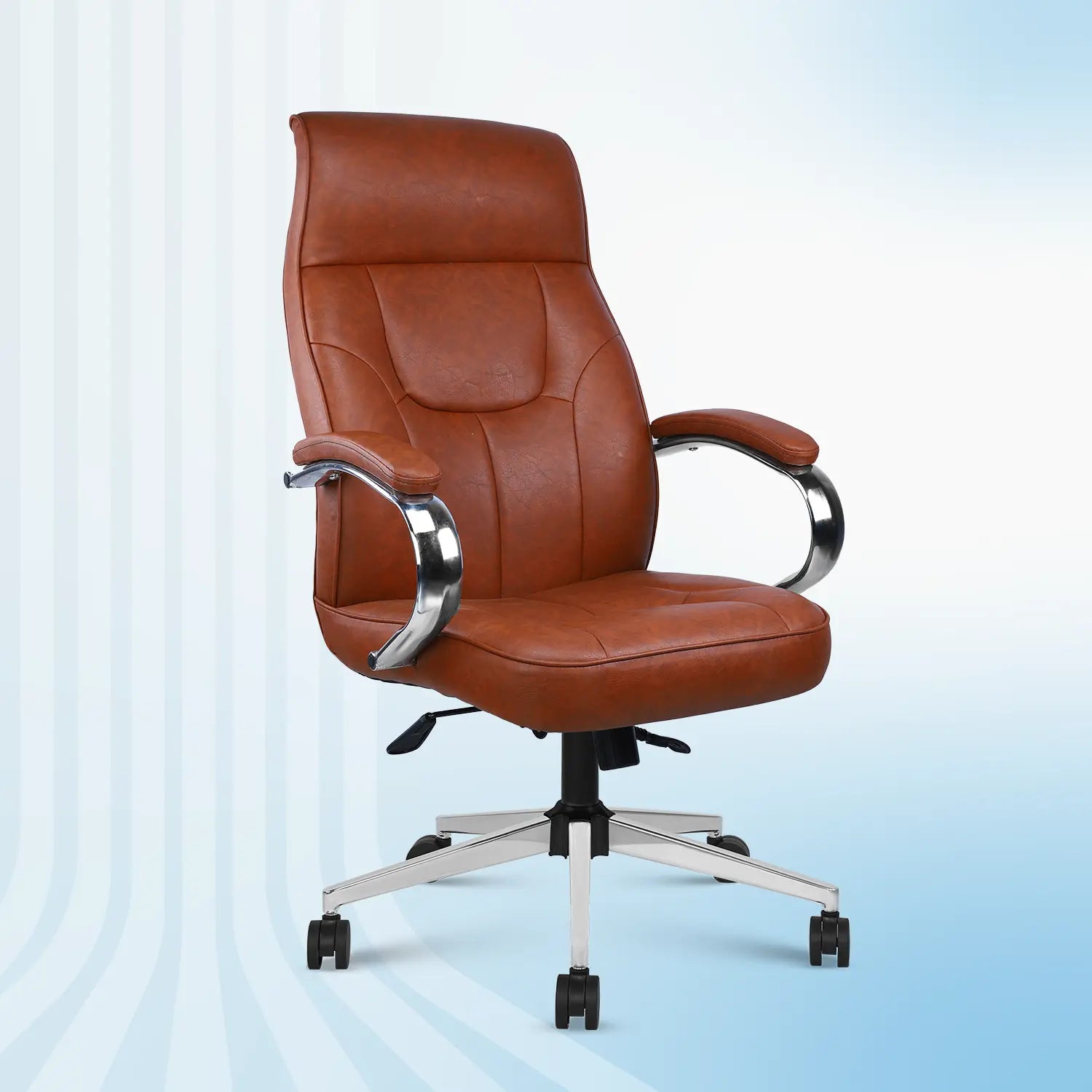
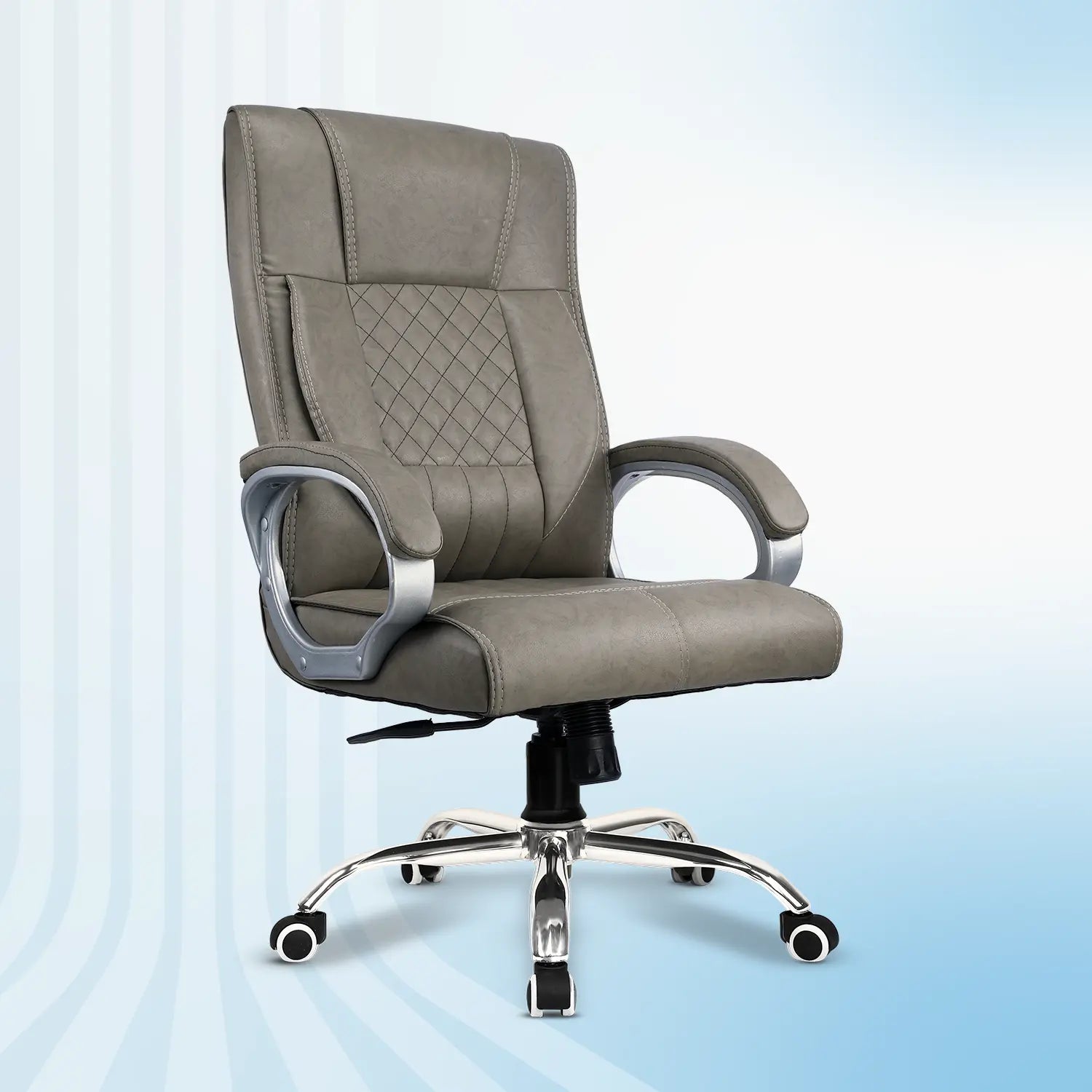
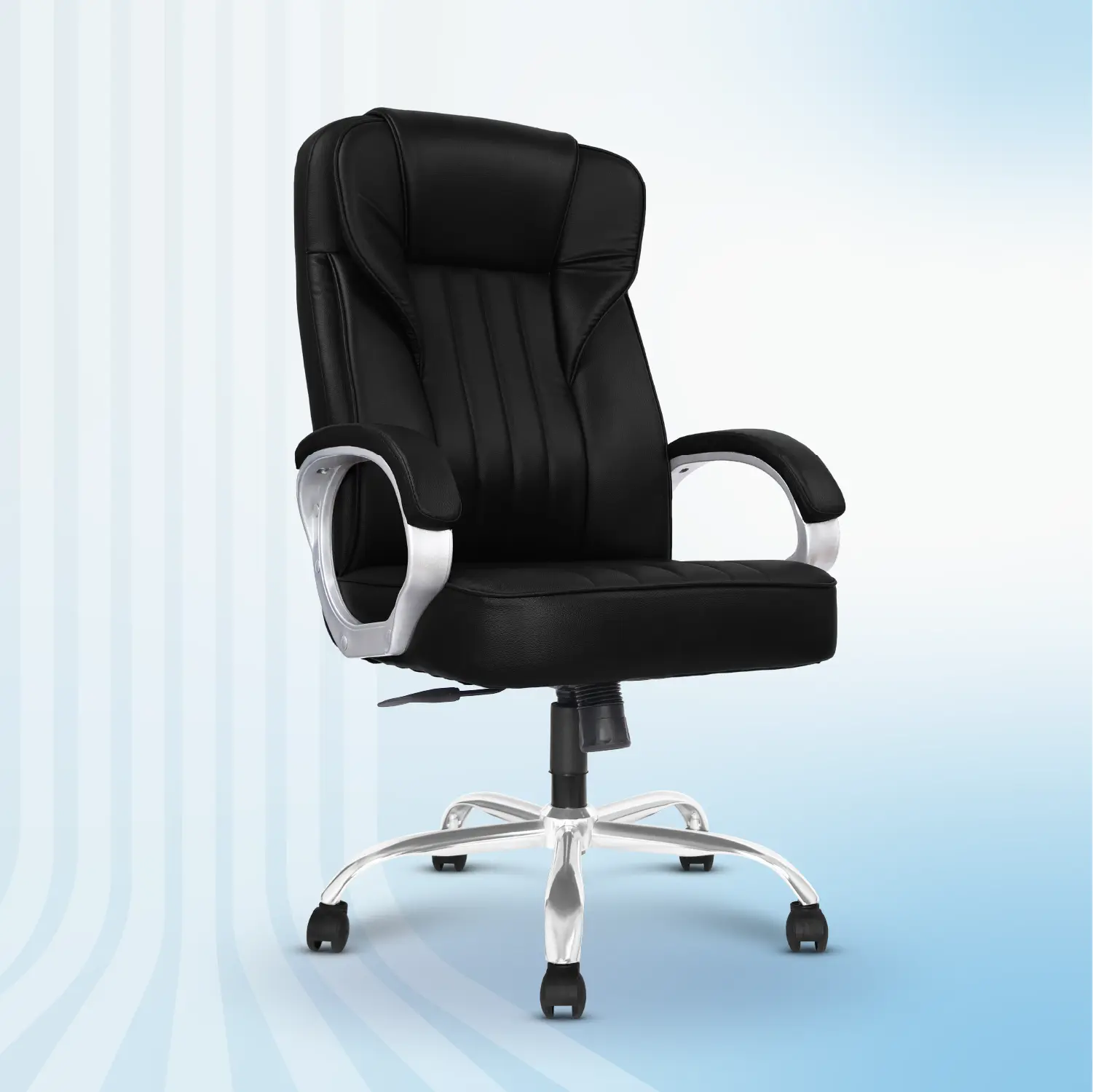
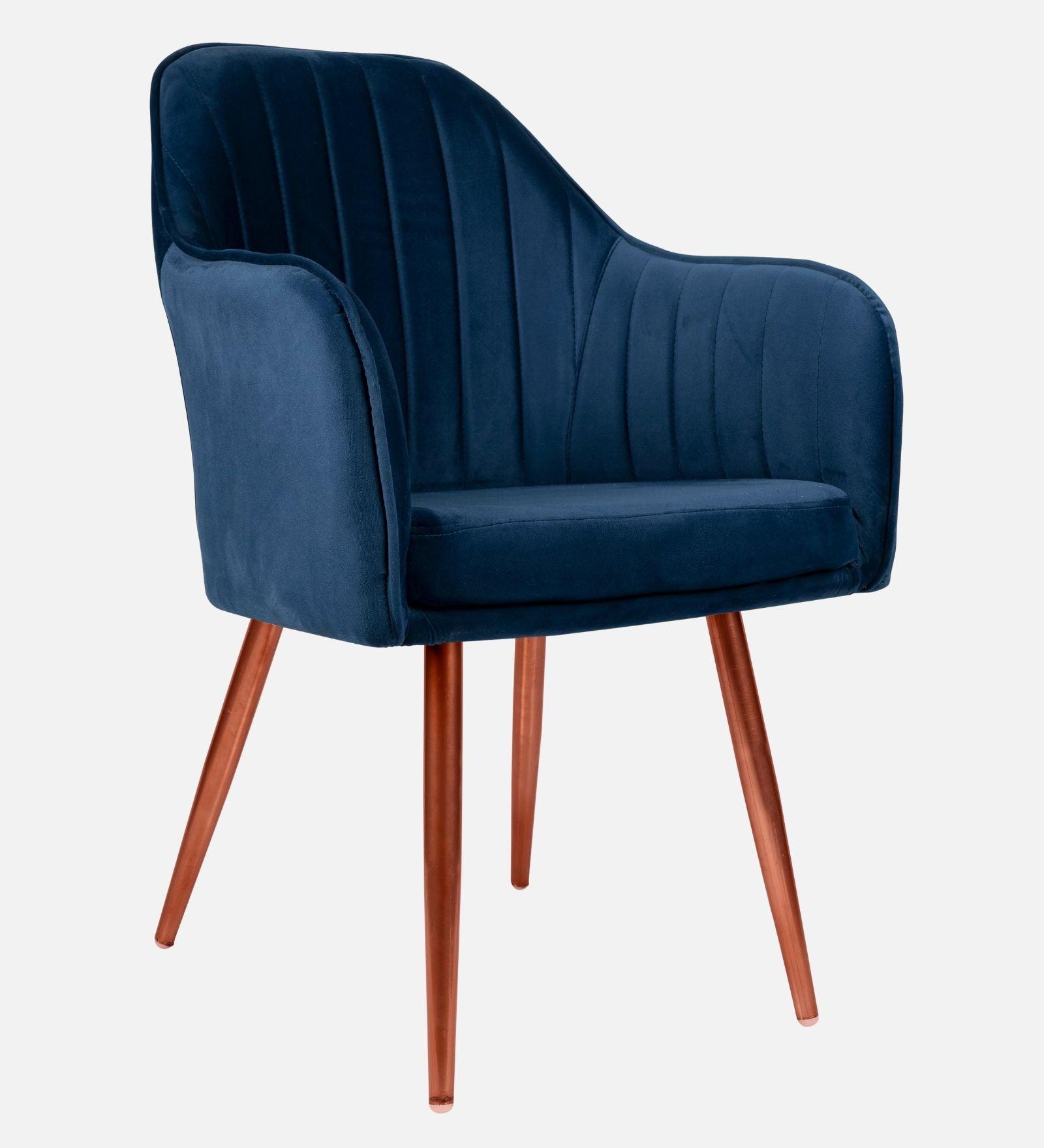
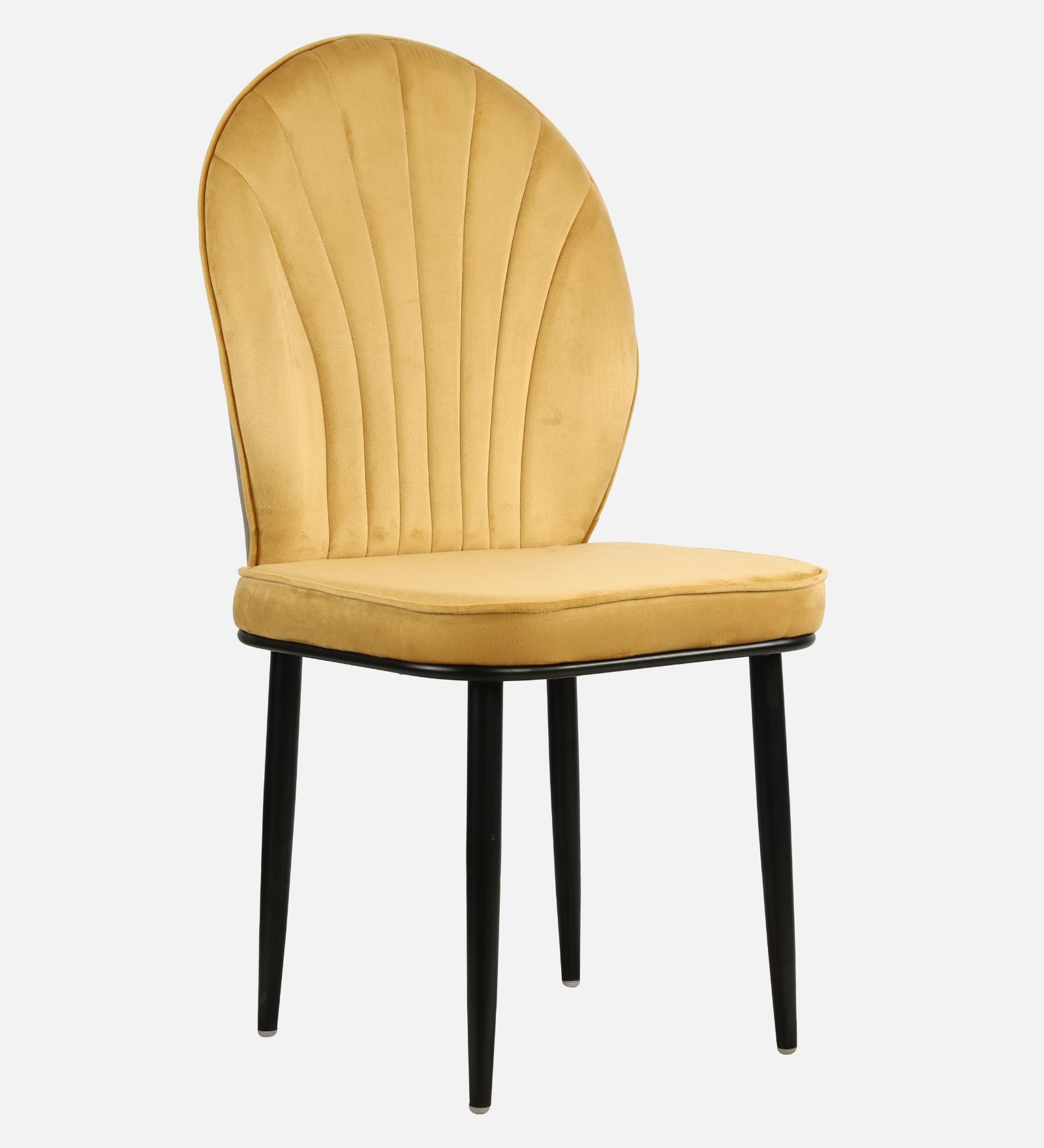
Regular chairs are designed primarily for basic seating and aesthetics, not long-term comfort.
They typically lack:
- Lumbar support
- Adjustability
- Proper weight distribution
While suitable for short-term use, they can negatively impact posture during extended sitting.
Ergonomic Chairs vs. Regular Chairs: Key Differences
1. Comfort and Support
- Ergonomic Chairs: Provide superior comfort with features like lumbar support, cushioned seats, and adjustable settings. These chairs ensure even weight distribution, reducing the risk of pressure points and muscle fatigue.
- Regular Chairs: Offer basic cushioning and fixed designs, often leading to discomfort during prolonged use. Over time, this discomfort can escalate into chronic pain or musculoskeletal issues.
Research Insight: Poor seating posture increases spinal disc pressure by up to 40%, leading to chronic back pain.
2. Adjustability
- Ergonomic Chairs: Highly customizable, allowing users to adjust height, backrest, armrests, and tilt for optimal comfort. This ensures the chair adapts to your unique body type and work style.
- Regular Chairs: Limited or no adjustability, making them less versatile for different body types and needs. You are often left compromising on comfort and posture.
Adjustability is critical because every spine is different - a fixed chair cannot support all users effectively.
3. Health Benefits
- Ergonomic Chairs: Reduce the risk of musculoskeletal disorders, improve circulation, and support posture correction. They are particularly beneficial for individuals with existing back or neck issues, offering long-term health advantages.
- Regular Chairs: Lack of support can lead to back pain, poor posture, and long-term health issues. Over time, these can result in irreversible damage to your spine and overall musculoskeletal health.
According to workplace health studies:
1) Employees using ergonomic seating report 17% higher productivity
2) Reduced discomfort leads to fewer work interruptions
4. Durability and Investment
- Ergonomic Chairs: Built with high-quality materials, offering durability and long-term benefits. While they may come at a higher initial cost, their longevity and health benefits make them a cost-effective choice in the long run.
- RegularChairs: Often more affordable upfront but may require frequent replacements due to wear and tear. Additionally, the lack of ergonomic features can lead to increased medical expenses over time.
Expert Tip: A cheap chair replaced every year costs more than a premium ergonomic chair over time.
Ergonomic Chair Features to Look For
When selecting an ergonomic chair, look for these essential features to maximize comfort and functionality:
- Adjustable Lumbar Support: Ensures proper alignment of the lower back, preventing slouching and strain.
- Neck and Head Support: Reduces tension in the neck and shoulders, especially during long hours.
- Cushioned Seat: Enhances comfort, distributing weight evenly to avoid pressure points.
- Swivel and Mobility: Facilitates easy movement within your workspace, reducing unnecessary strain.
- Height and Armrest Adjustments: Allow for a personalized fit, ensuring optimal posture and comfort.
Why Choose Ergonomic Chairs for Office?
The advantages of ergonomic chairs go beyond comfort. They improve posture, reduce the risk of chronic pain, and enhance productivity by providing a seating solution that works with your body, not against it. Whether you're setting up a home office or upgrading your workspace, investing in the best ergonomic chair for long hours is a decision your body will thank you for.
Regular Chairs: When Do They Work?
Regular chairs can be used for:
- Short sitting durations (1–2 hours)
- Occasional tasks
- Budget constraints
However, for daily work (6+ hours), they are not recommended. Regular chairs are not without merit. For short-term or occasional use, they can be a cost-effective choice. They are often lighter, more portable, and available in a variety of designs to suit different aesthetics. However, for those spending extended hours at their desks, the lack of ergonomic features quickly becomes a drawback.
How to Use an Ergonomic Chair Correctly (Expert Tips)
To make the most of your ergonomic chair:
- Adjust the seat height so your feet rest flat on the floor, with your knees at a 90-degree angle.
- Use the lumbar support to maintain the spines natural curve, reducing strain on your lower back.
- Set the armrests at a height where your shoulders remain relaxed, avoiding unnecessary tension.
- Take regular breaks to stretch and move around, promoting circulation and reducing stiffness.
Why Ergonomic Chairs Are Worth the Investment
Choosing an ergonomic chair is not just about comfort - it’s about long-term health and productivity.
Benefits:
✔ Reduces back & neck pain
✔ Improves posture
✔ Enhances focus and efficiency
✔ Prevents long-term health issues
Research shows that proper ergonomic seating can:
- Increase productivity by up to 17%
- Reduce absenteeism caused by discomfort
Final Verdict : Ergonomic vs Regular Chair
| Factor | Ergonomic Chair | Regular Chair |
|---|---|---|
| Comfort | ⭐⭐⭐⭐⭐ | ⭐⭐ |
| Adjustability | High | Low |
| Health Benefits | Strong | Minimal |
| Durability | Long-term | Short-term |
| Best For | Long hours | Occasional use |

Conclusion
The difference between an ergonomic chair and a regular chair is not just comfort - it’s your long-term health, productivity, and quality of life.
Choosing between ergonomic and regular chairs is more than a matter of preference's about prioritizing your health and productivity. Ergonomic chairs offer unmatched benefits, from improved posture to enhanced comfort, making them a worthwhile investment for anyone spending extended hours seated. While regular chairs may suit occasional use, they fall short in providing the support needed for long-term health and well-being.
At Vergo, the ergonomic office chair we produce leads the market; made with high-quality materials that prioritize health, modern design, and customer satisfaction. Offering long-lasting comfort and durability, our products are the solution for those seeking style and well-being in their office furniture.
Don't settle for discomfort; choose ergonomic seating solutions by Vergo and experience the difference they can make in your work and life.