


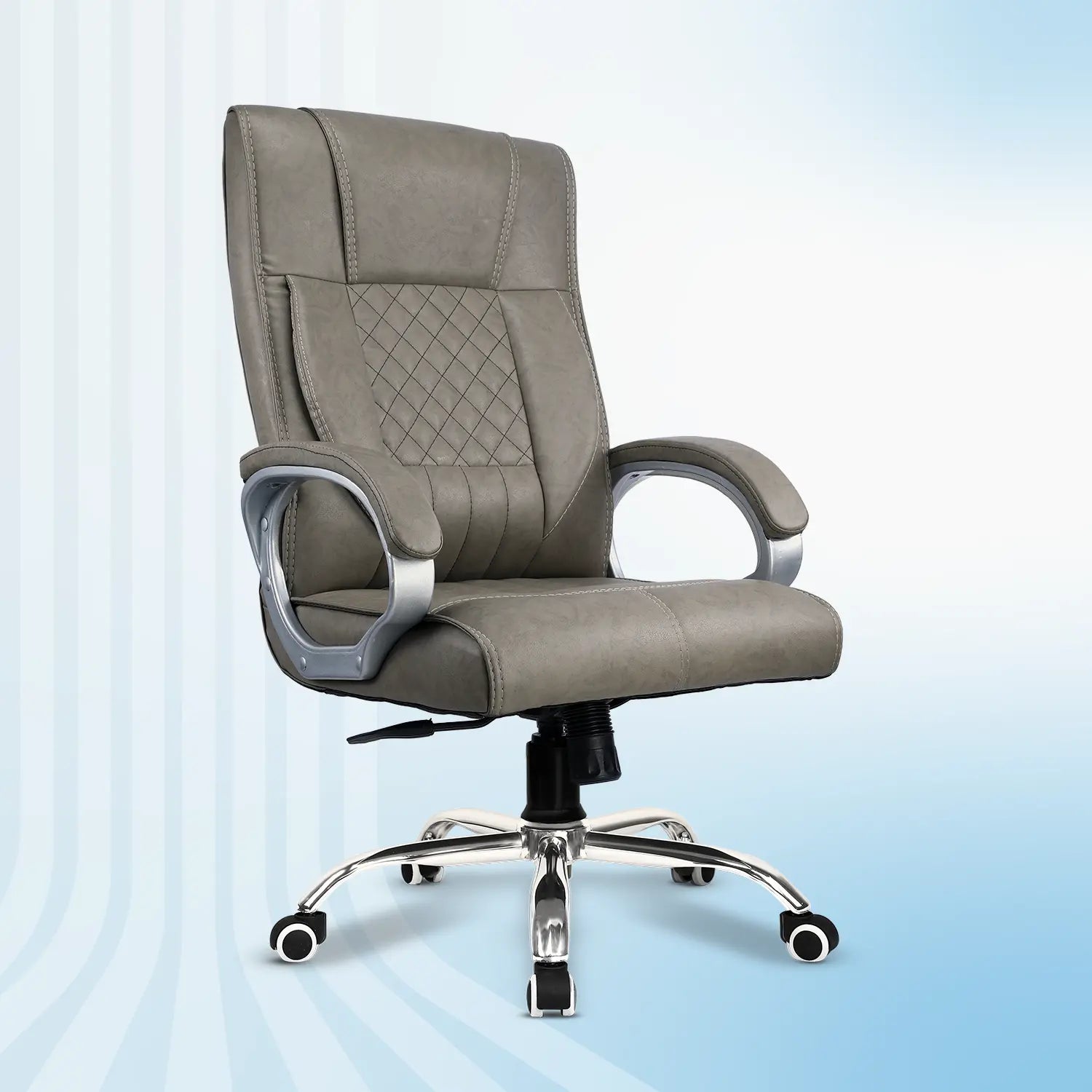
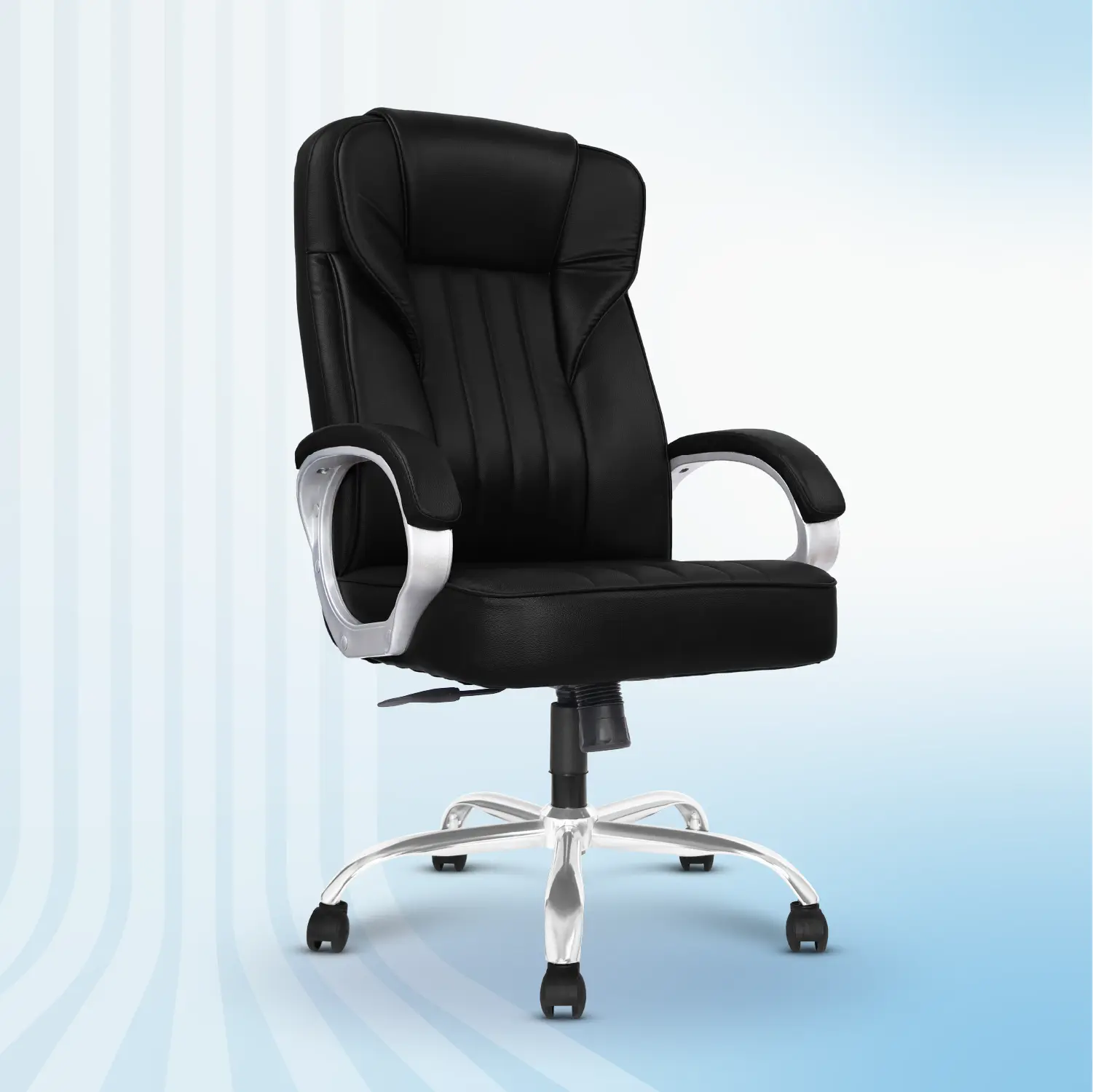

When buying an office chair, most people start with one question: How much does it cost?
It feels logical. After all, an office chair looks like a simple product. If two chairs look similar online, why pay double?
But here's what most buyers realize too late: Cheap office chairs often cost significantly more in the long run. Not because of the price tag but because of what happens after 6 months, 12 months, and 3 years of daily use.
If you've searched:
- Are expensive office chairs worth it?
- Why are ergonomic chairs costly?
- Is it okay to buy a cheap office chair?
- Best office chair for long hours?
- Bulk office chairs for businesses?
This guide explains the long-term financial, health, and productivity impact of buying low-cost office seating, backed by workplace ergonomics research and commercial procurement insights.
The Real Problem with Cheap Office Chairs
A cheap office chair is not necessarily on day one. In fact, the first few weeks may feel perfectly fine. The real issue appears over time.
Low-cost office chairs are typically designed to meet a price point, not performance standards. To reduce cost, manufacturers often compromise on:
-
Foam density
-
Frame strength
-
Gas lift quality
-
Lumbar adjustability
-
Mesh durability
-
Wheel stability
When someone uses a chair for 1-2 hours occasionally, these compromises may not show immediately. But for employees or remote workers sitting 7-9 hours daily, weaknesses surface quickly.
This is where the cheap decision begins to compound into a more expensive one.
The Hidden Cost of Cheap Office Chairs
Workplace studies show that employees spend an average of 7 to 9 hours sitting daily. That means your office chair is one of the most used tools in your workspace.
Low-quality office chairs typically show structural wear within 12-18 months under full-time usage.
Common failure patterns include:
-
Seat cushion flattening
-
Armrests loosening
-
Gas lift sinking
-
Backrest instability
-
Wheel damage
Once cushioning flattens, the chair no longer distributes body weight properly. This leads to discomfort and increased spinal pressure.
Now consider the financial math:
If a Rs. 4,000 chair lasts 18 months, and you replace it 3 times over 6 years, you've already spent Rs.12,000 - Rs.16,000.
A well-built ergonomic office chair priced higher may last 5-8 years. Short-term savings can easily turn into long-term overspending.
For businesses purchasing bulk office chairs, this replacement cycle multiplies dramatically Replacing 50 chairs every 18 months becomes a serious operational expense.
Productivity Loss -The Cost No One Calculates
The biggest hidden cost of a cheap office chair is not replacement. It's lost productivity.
Research in occupational ergonomics suggests:
-
Nearly 65% of office workers report back or neck discomfort
-
Poor seating can reduce productivity by up to 17%
-
Musculoskeletal disorders are one of the leading workplace health concerns globally
When employees feel uncomfortable:
-
They shift posture frequently
-
They stand up unnecessarily
-
They take micro-breaks
-
They lose focus
-
They experience mid-day fatigue
Even a 5% productivity drop across a 100-person company can cost far more annually than investing in better ergonomic seating.
For remote workers, this translates to reduced output and increased exhaustion. The chair becomes a silent productivity leak.
Health Costs Build Slowly, But Steadily
Sitting itself is not harmful. Unsupported sitting is. Spinal biomechanics research shows that unsupported seated posture increases disc pressure by up to 40% compared to ergonomically supported sitting.
Cheap office chairs typically lack:
-
Adjustable lumbar support
-
Correct seat depth
-
Height-adjustable armrests
-
Proper recline mechanism
-
Breathable airflow
Over time, poor seating can contribute to:
-
Lower back pain
-
Cervical spine strain
-
Shoulder stiffness
-
Hip tightness
-
Numbness in legs
What begins as minor discomfort can evolve into chronic issues.
This leads to:
-
Doctor visits
-
Physiotherapy sessions
-
Pain medication
-
Reduced work consistency
For companies, this means:
-
Increased sick leaves
-
Employee dissatisfaction
-
HR complaints
-
Reduced morale
The real cost of a cheap office chair often appears in medical bills and not invoices.
Cheap Materials Degrade Faster Than You Think
One of the most overlooked factors when buying office chairs is material quality.
Low-cost chairs often use:
-
Low-density polyurethane foam
-
Thin plywood bases
-
Basic plastic frames
-
Low-grade mesh
-
Inexpensive hydraulic cylinders
These materials degrade faster under daily 8-hour pressure. Foam compression is particularly critical.
Once seat foam loses density, it no longer supports your hips properly. This shifts pressure directly to the lower spine. Breathability also matters. Poor airflow increases heat retention, which causes discomfort and constant movement.
In contrast, high-quality ergonomic office chairs are built with:
-
High-resilience foam
-
Reinforced nylon or metal base
-
Certified gas lifts
-
Durable breathable mesh
These features extend lifespan significantly.
Why Ergonomic Office Chairs Are a Long-Term Investment
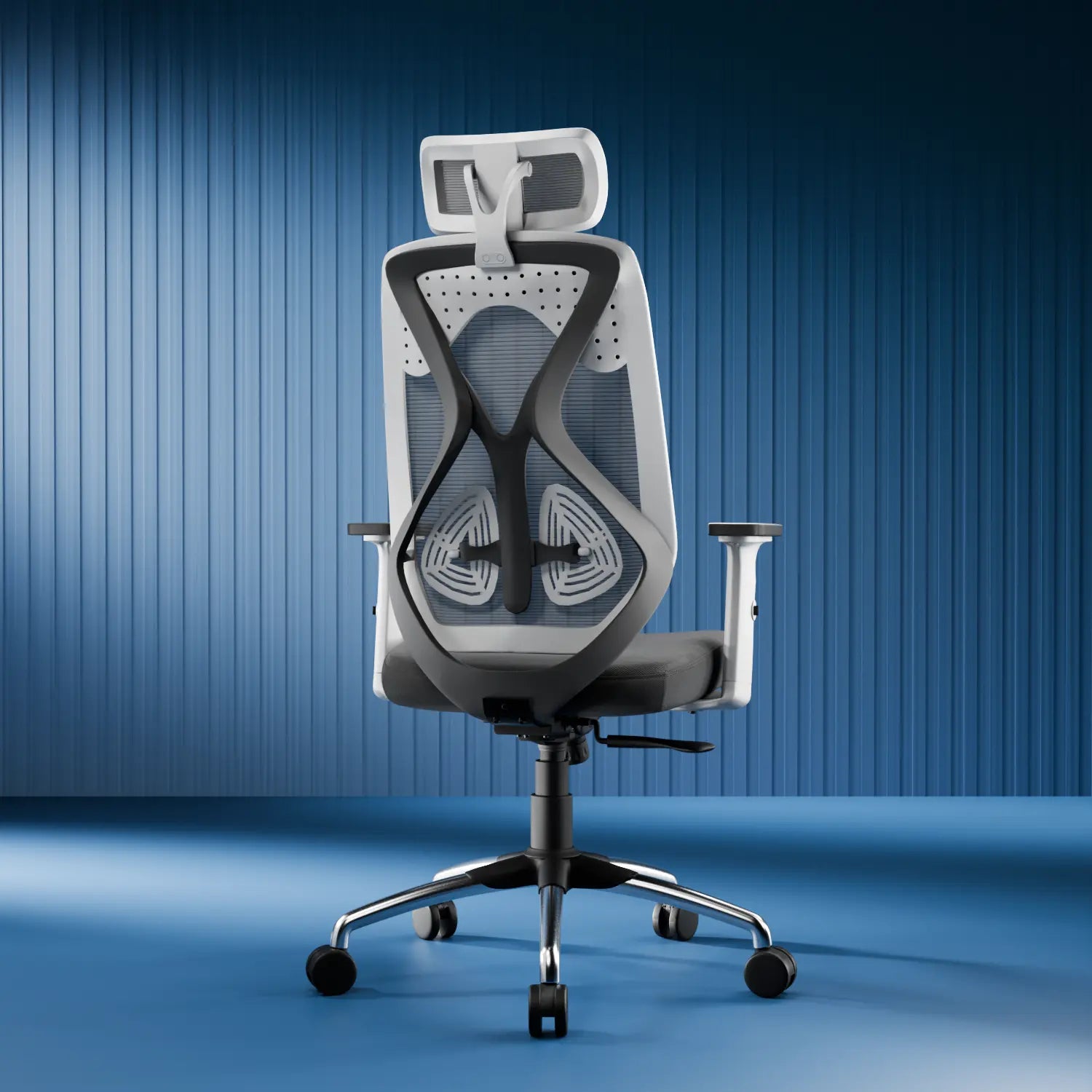
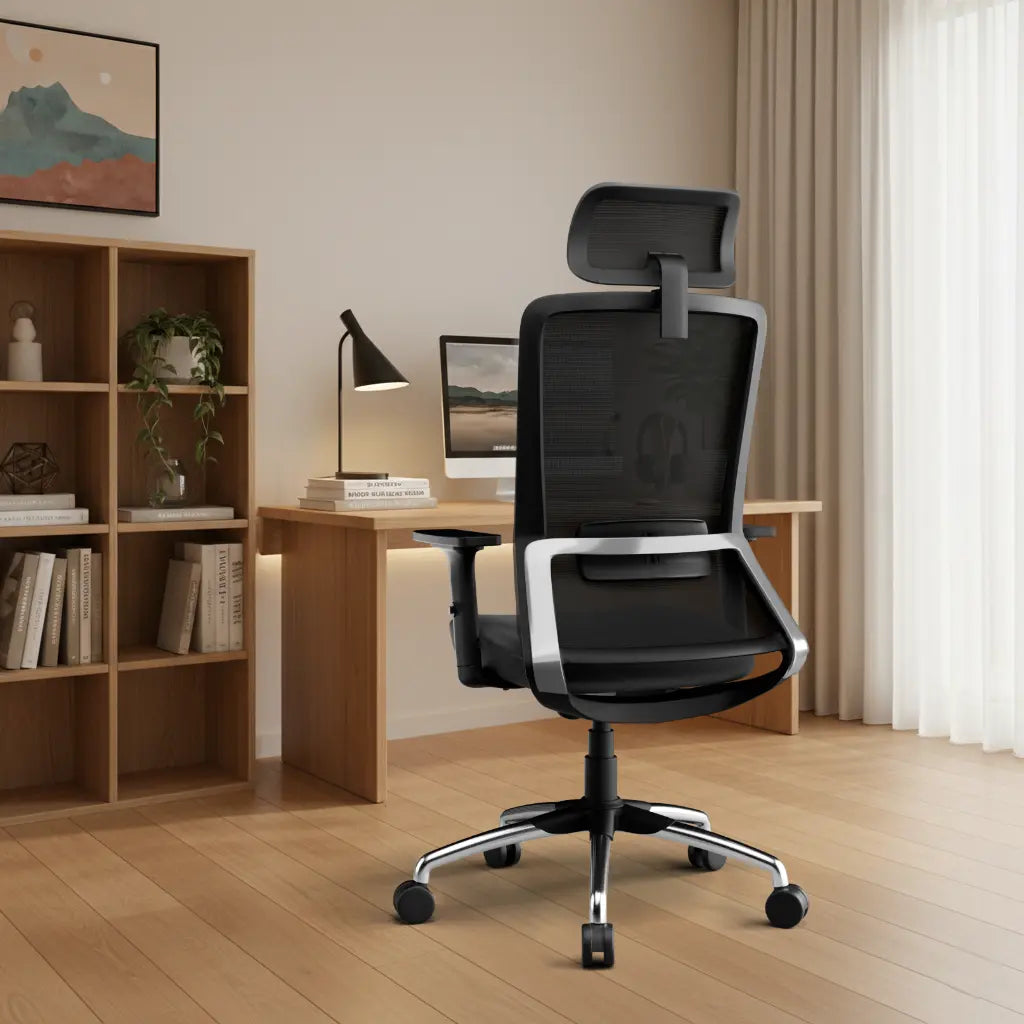
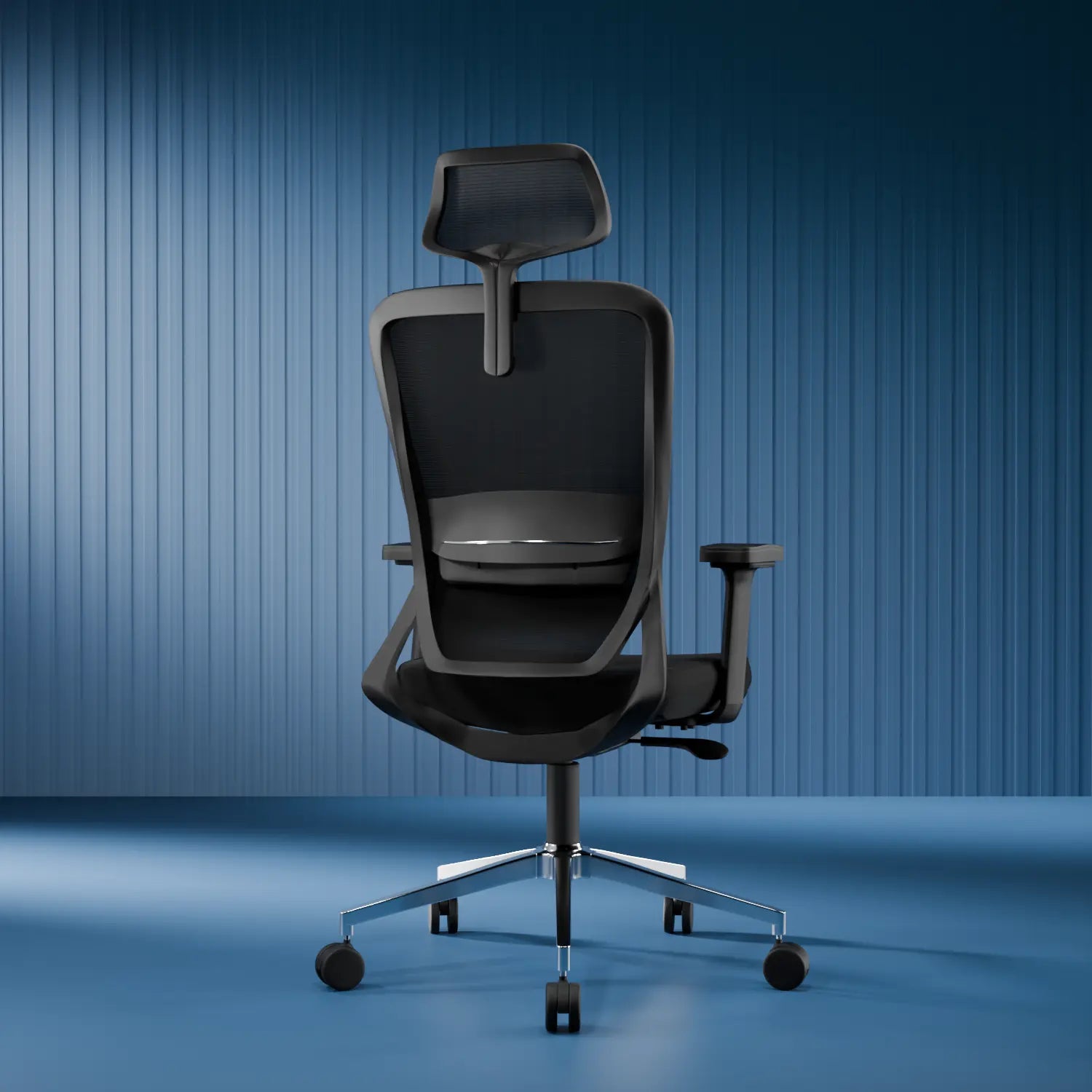
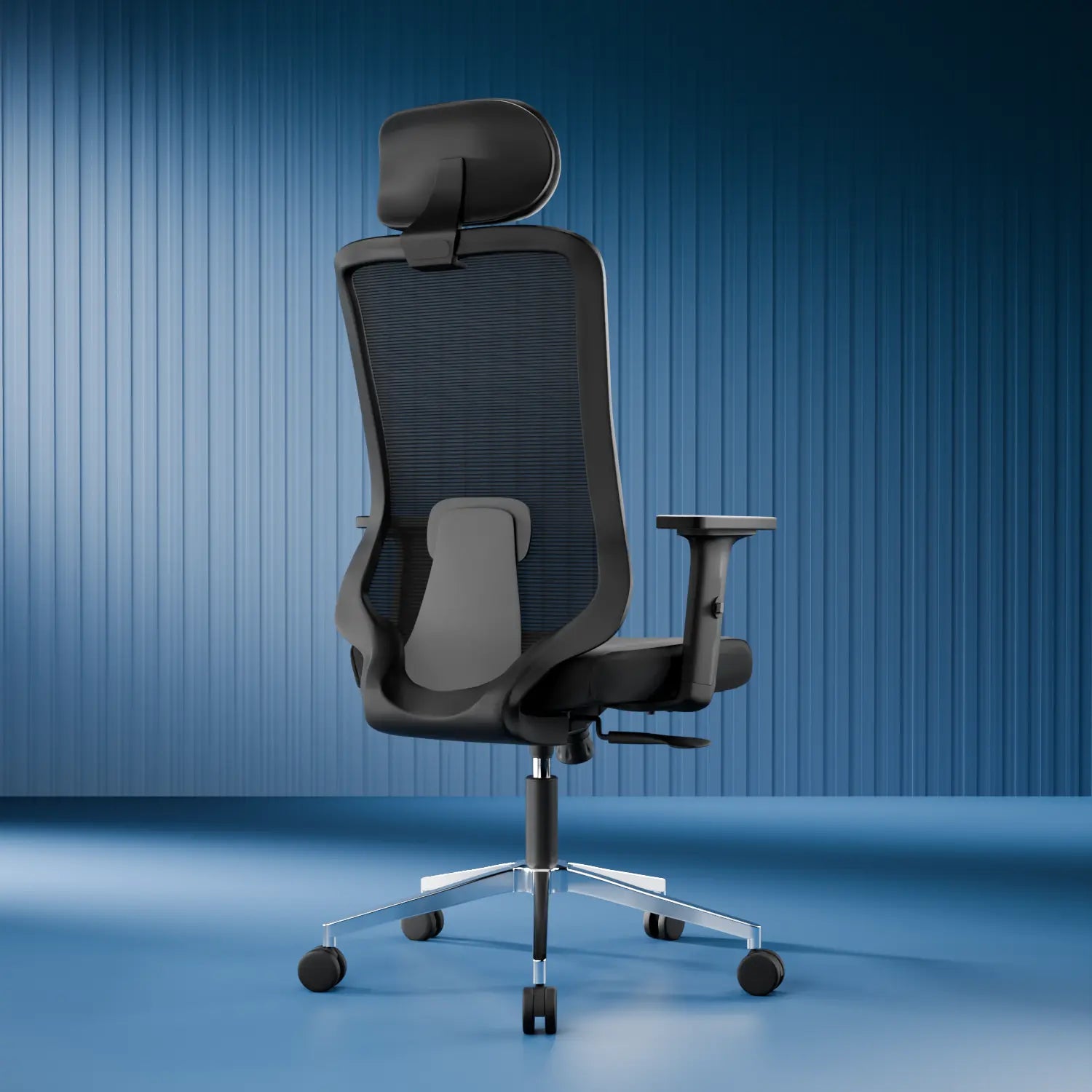
An ergonomic office chair is engineered for daily long-hour use.
Key features typically include:
-
Adjustable lumbar support
-
Height adjustment
-
Tilt tension control
-
Seat depth alignment
-
Armrest height adjustment
-
Stable five-point base
Research shows ergonomic chairs can reduce musculoskeletal discomfort by up to 40%.
This leads to:
-
Better posture
-
Improved blood circulation
-
Longer focus duration
-
Reduced fatigue
-
Lower absenteeism
For individuals working from home, this protects long-term spinal health. For companies, this improves return on investment per employee.
An ergonomic chair is not just furniture and it is infrastructure.
Bulk Office Chair Buying and Where Mistakes Multiply
When a company buys one cheap chair, the risk is manageable. When a company buys 100 cheap chairs, the risk multiplies.
Bulk procurement should prioritize:
-
Commercial-grade durability
-
Minimum 3-year warranty
-
After-sales support
-
Spare part availability
-
Proven ergonomic design
Choosing a wholesale office chair supplier based solely on price can lead to:
-
Frequent replacements
-
Budget overruns
-
Employee dissatisfaction
-
Brand image concerns
For businesses, the question should never be:
1. What is the cheapest office chair? It should be:
2. What is the most durable office chair per year of use?
How to Calculate the True Cost of an Office Chair
To calculate real value, divide total cost by years of usage.
Example:
Rs. 12,000 chair lasting 6 years = Rs. 2,000 per year
Rs. 4,000 chair lasting 1.5 years = Rs. 2,666 per year
Now add:
-
Replacement downtime
-
Productivity loss
-
Repair cost
-
Health cost
The cheap chair quickly becomes the expensive one. Total Cost of Ownership (TCO) matters more than purchase price.
Final Thoughts
Cheap office chairs seem affordable. But once you factor in:
-
Replacement frequency
-
Productivity impact
-
Health consequences
-
Maintenance cost
-
Employee comfort
The numbers tell a different story.
Whether you are buying a single office chair for long hours or placing a bulk office chair order for your organization, the smarter decision is long-term durability and ergonomic support.
A chair supports your body every working day. Choose the right one that supports your body towards productivity, health, and future.
FAQ
1. How long do cheap office chairs usually last?
Ans - Most low-cost office chairs last 12-24 months with daily use, especially in office environments where they are used 8+ hours a day.
2. Is a cheap office chair okay for short-term use?
Ans - For occasional use, yes. But for daily 8-hour work, investing in a durable ergonomic chair is recommended.
3. Are expensive office chairs worth it?
Ans - They use low-density foam, weaker frames, and basic mechanisms that wear out faster under regular use.
4. How do cheap chairs affect productivity?
Ans - Uncomfortable chairs cause fatigue and frequent posture adjustments, which can reduce focus and lower productivity.
5. Can ergonomic chairs reduce back pain?
Ans - Yes. Ergonomic chairs support proper posture and can significantly reduce musculoskeletal discomfort.