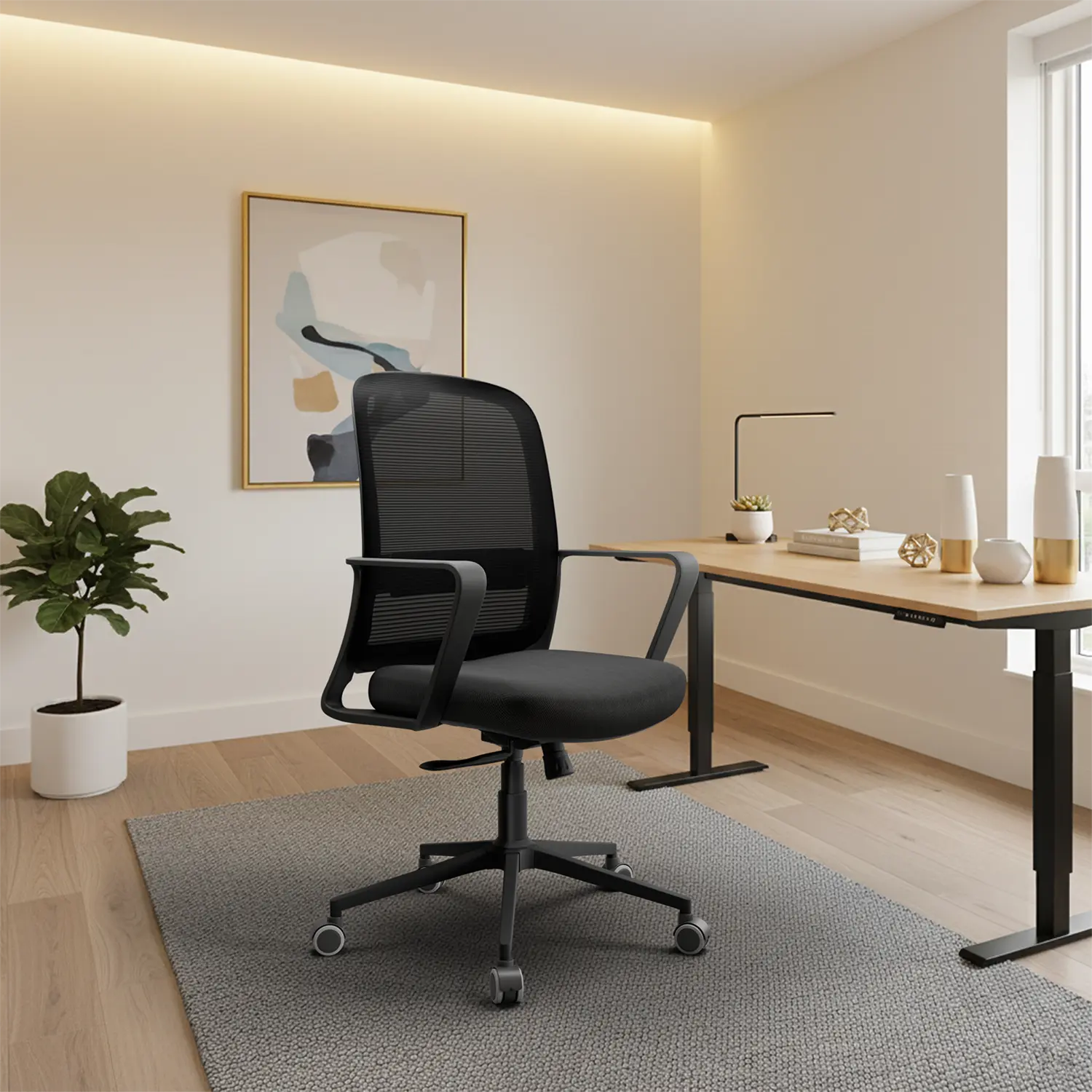
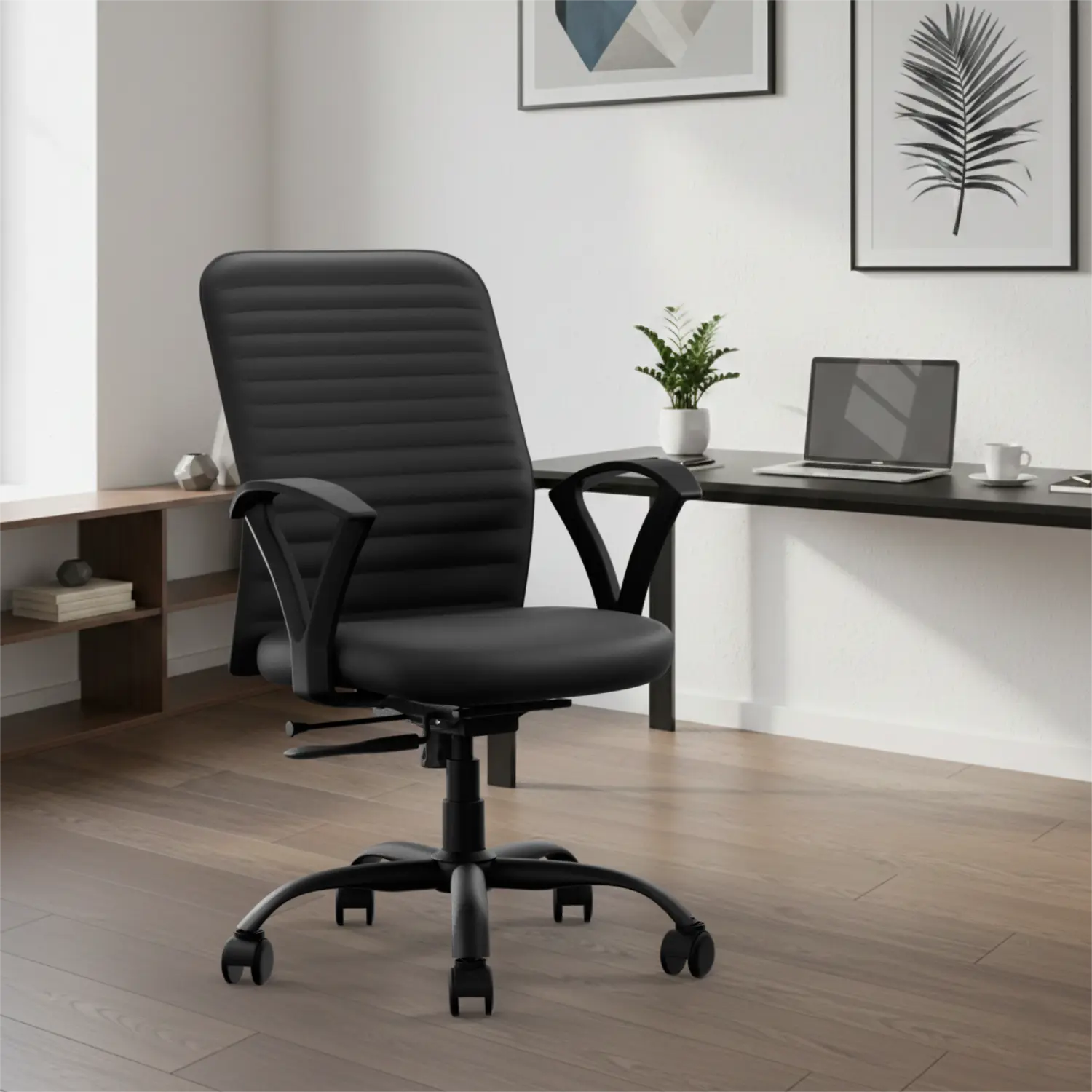


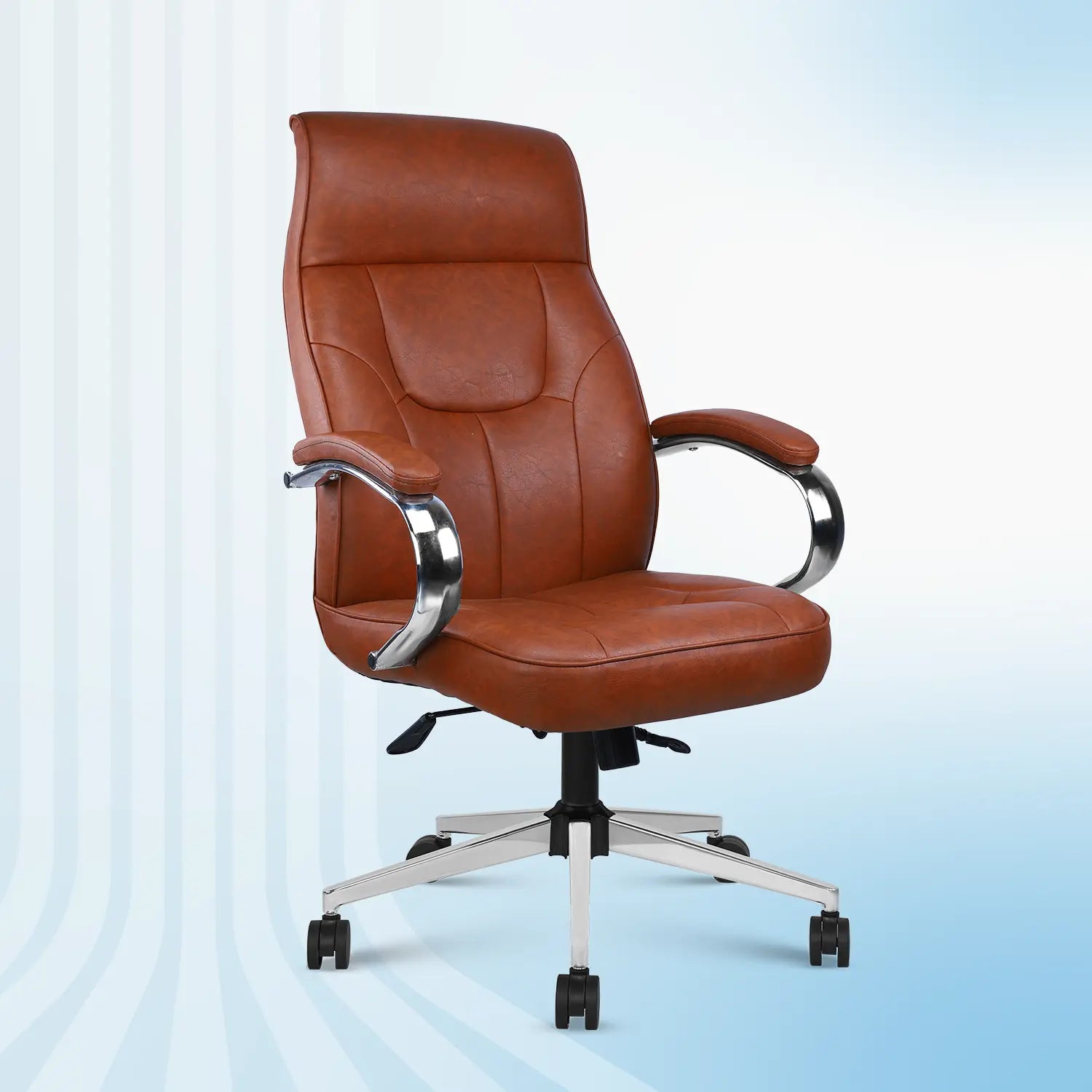
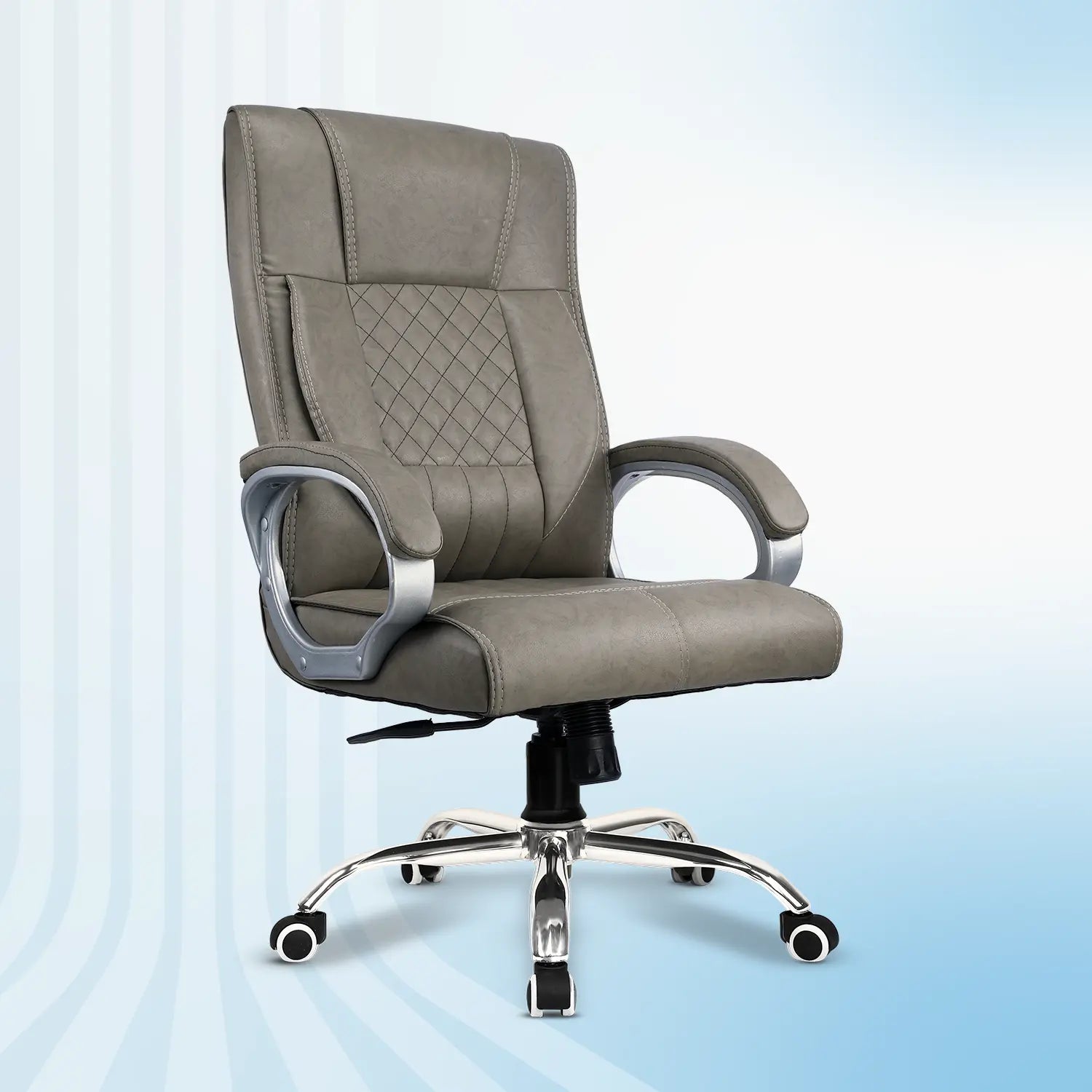
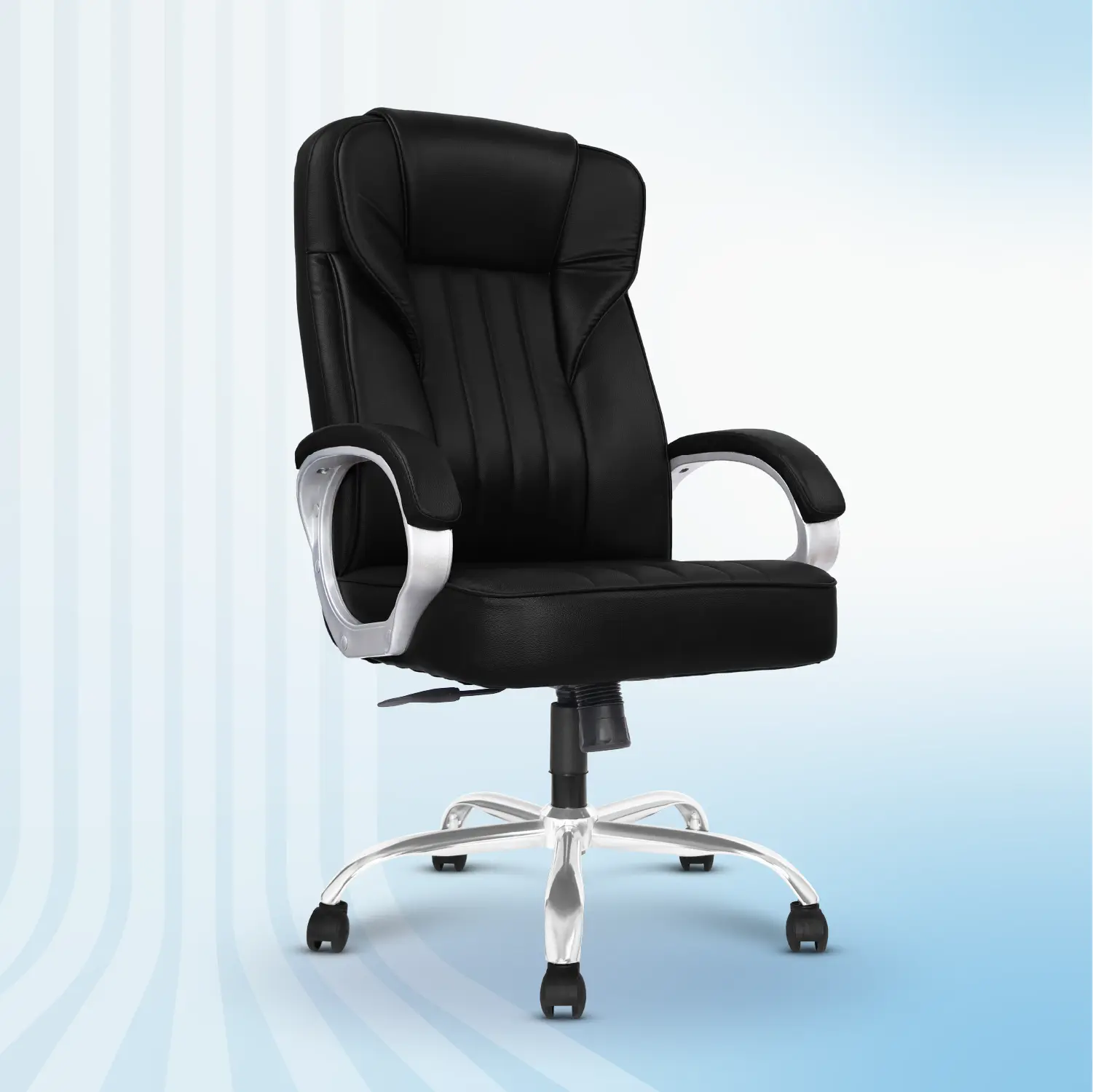

You've probably experienced this while shopping for an ergonomic chair.
One chair costs ₹8,000 and Another costs ₹18,000.
And then you come across premium ergonomic chairs priced at ₹25,000 or more. At first glance, they often look surprisingly similar. They all have wheels, armrests, a mesh back, and a headrest. So naturally, the question comes to mind:
Why is there such a huge price difference?
It's one of the most searched questions by office workers, work-from-home professionals, and anyone looking for a comfortable office chair.
The answer is simple: You're not just paying for a chair. You're paying for better posture, long-term comfort, durability, adjustability, and a healthier work experience.
Let's explore what really separates a budget office chair from a premium ergonomic chair and why understanding these differences can save you money, discomfort, and frustration in the long run.
What Makes an Ergonomic Chair More Expensive?
An ergonomic chair's price isn't determined by how it looks.
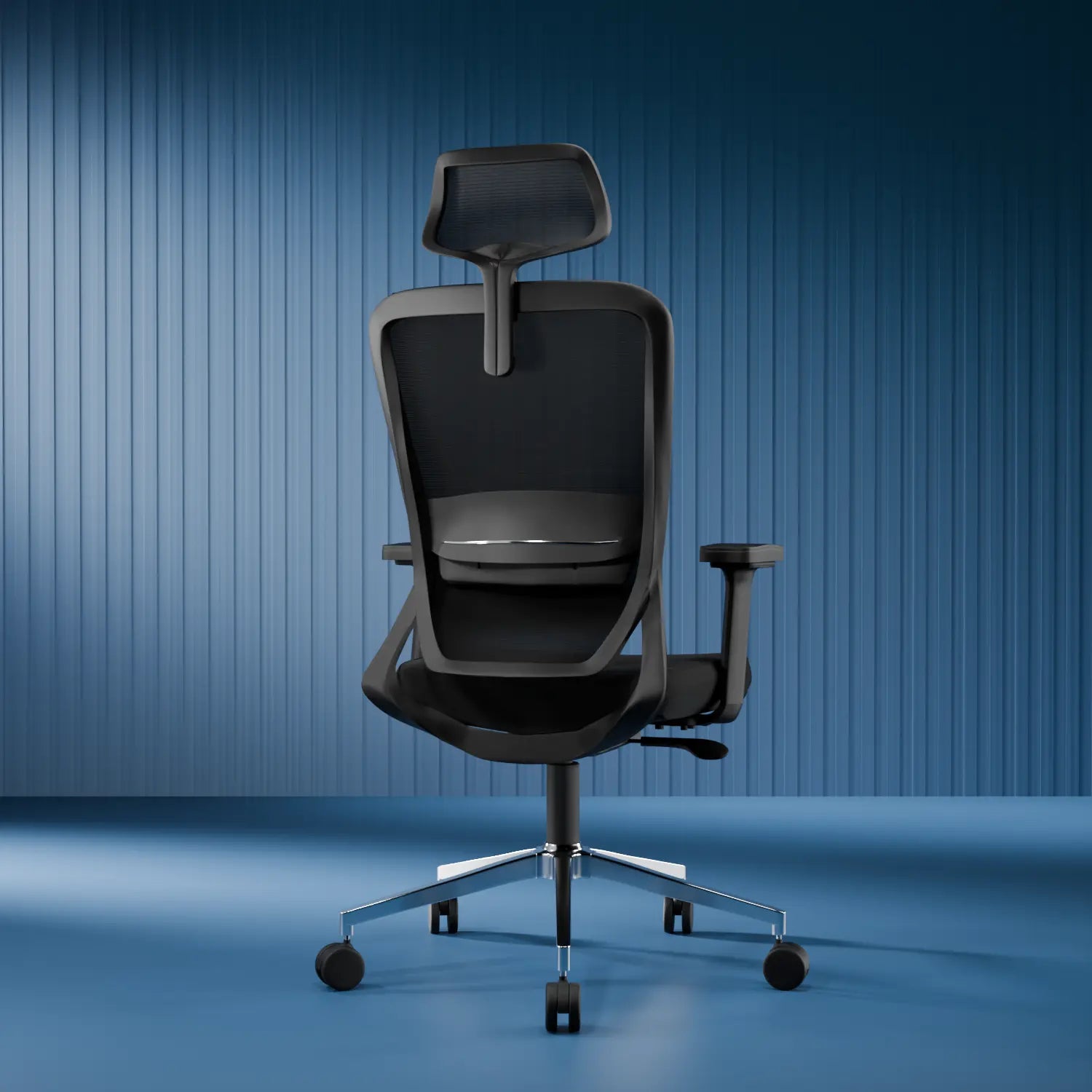
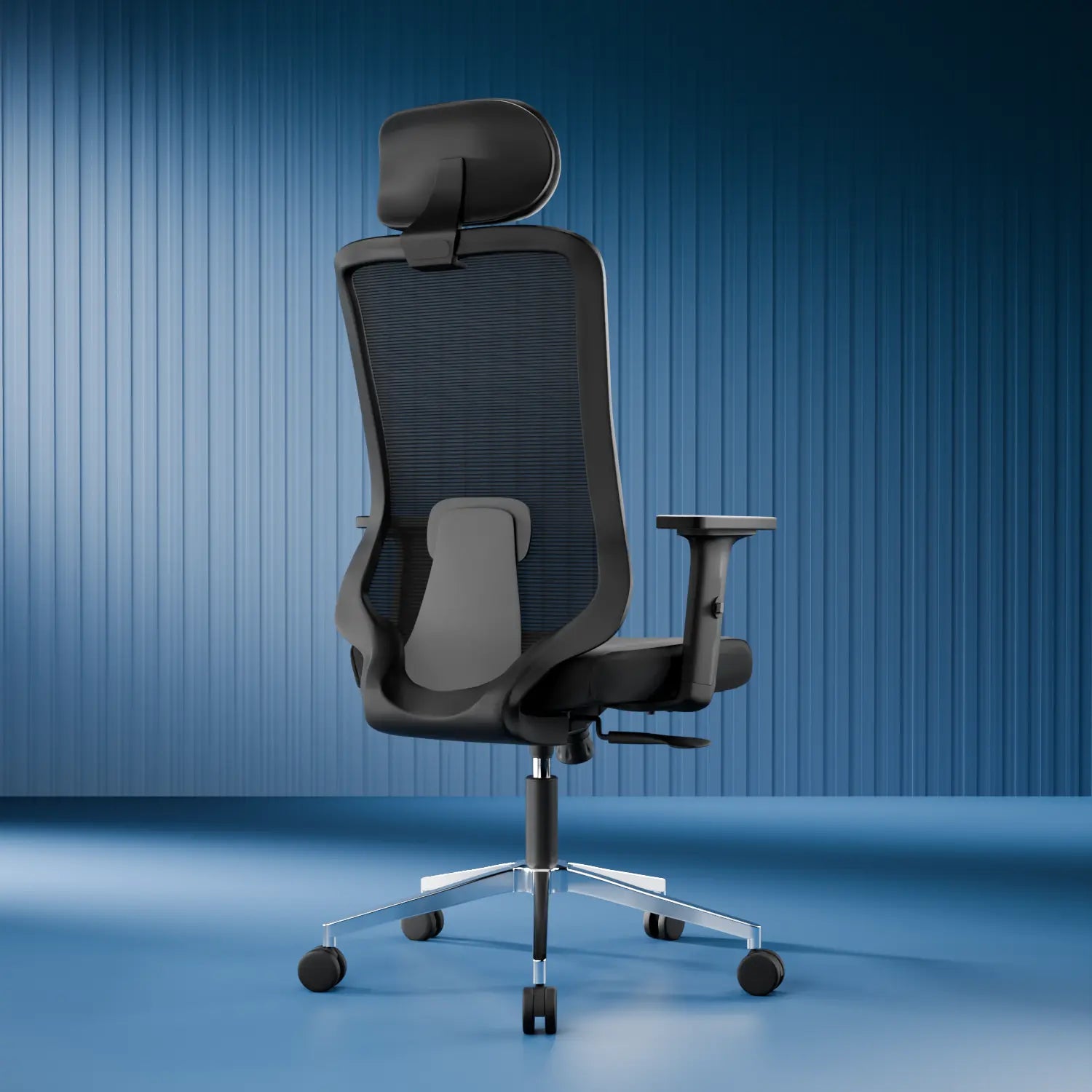
In fact, two chairs may appear almost identical in photos but provide completely different levels of comfort and support after months of use. The biggest differences are often hidden beneath the surface.
Premium ergonomic chairs are typically designed using:
-
Better materials
-
Advanced ergonomic mechanisms
-
Stronger structural components
-
Higher-quality foam and mesh
-
More adjustment options
-
Better testing and quality control
These factors directly affect how comfortable, supportive, and durable the chair will be over time.
Why Similar-Looking Chairs Can Deliver Completely Different Experiences
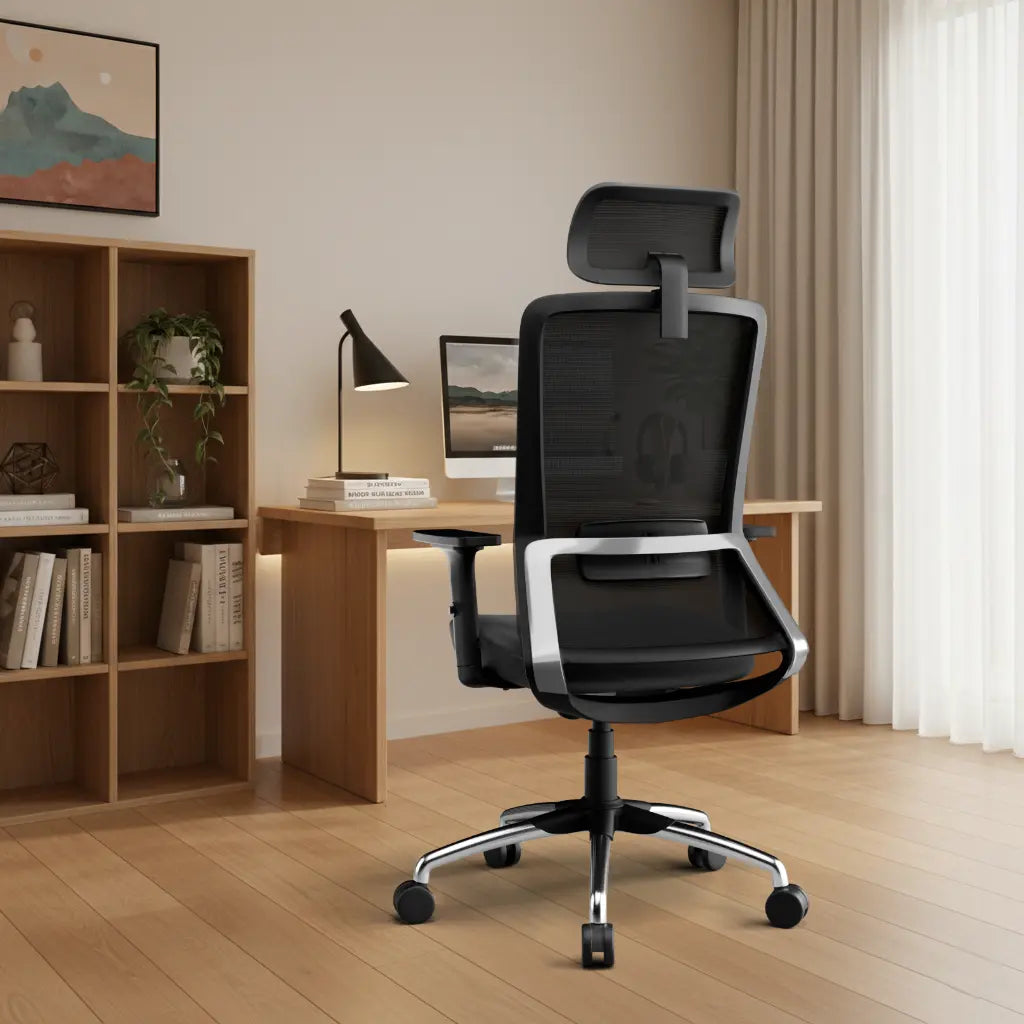
One of the biggest mistakes buyers make is judging a chair based on appearance alone. Many office chairs available online look nearly identical. They feature mesh backs, headrests, armrests, and sleek designs. This often creates the impression that all ergonomic chairs offer the same value. But that's rarely true.
The real difference lies in factors such as:
-
Lumbar support quality
-
Foam density
-
Frame strength
-
Mesh durability
-
Weight capacity
-
Adjustability options
-
Warranty coverage
This is why two chairs that look similar on a product page can feel completely different after six months of daily use.
The Hidden Cost of Choosing a Chair Based Only on Price
Most buyers naturally compare chairs based on price. After all, saving money feels like making a smart decision. However, a lower price tag doesn't always mean better value. Many budget chairs focus on appearance rather than long-term performance.
While they may initially seem comfortable, users often discover limitations after a few months:
- Reduced seat support
- Sagging mesh
- Limited adjustments
- Lower durability
- Reduced comfort during long working hours
 As a result, what appeared to be a great deal can end up costing more through replacements, reduced comfort, and lower productivity.
The smartest buyers don't ask: "Which chair is cheaper?" They ask: "Which chair will support me for the next five years?
Not All "Ergonomic" Chairs Are Truly Ergonomic
The term ergonomic chair has become extremely popular. Today, many chairs are marketed as ergonomic simply because they include a mesh backrest or headrest.
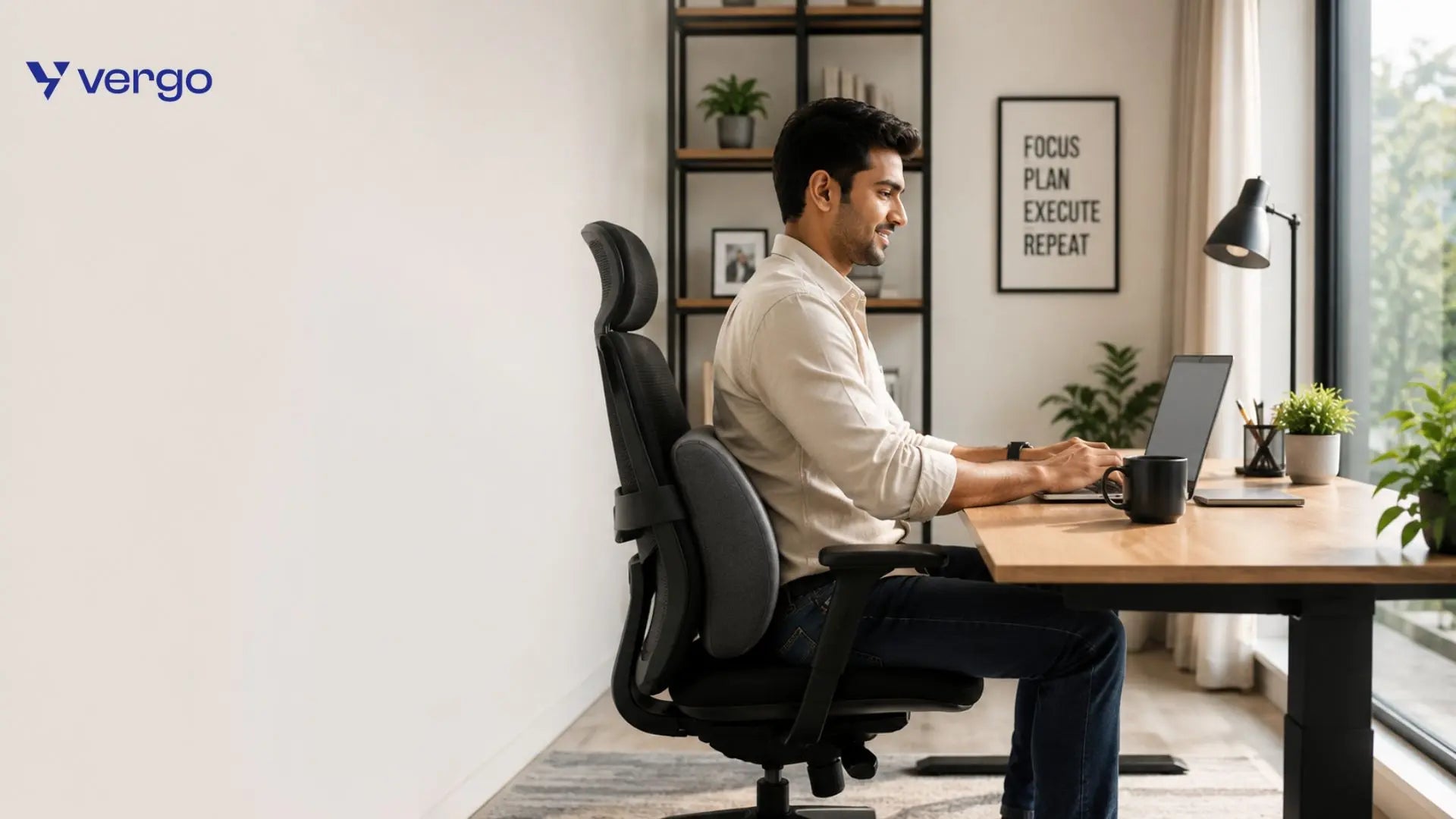
But true ergonomics goes much deeper. A genuinely ergonomic chair should adapt to your body and not force your body to adapt to the chair.
This means providing adjustments that support different body types, work styles, and sitting habits.
A well-designed ergonomic chair should include:
- Adjustable lumbar support
- Seat height adjustment
- Recline functionality
- Adjustable armrests
- Headrest adjustment
- Proper spinal alignment support
Without these features, a chair may look ergonomic but may not provide meaningful ergonomic support.
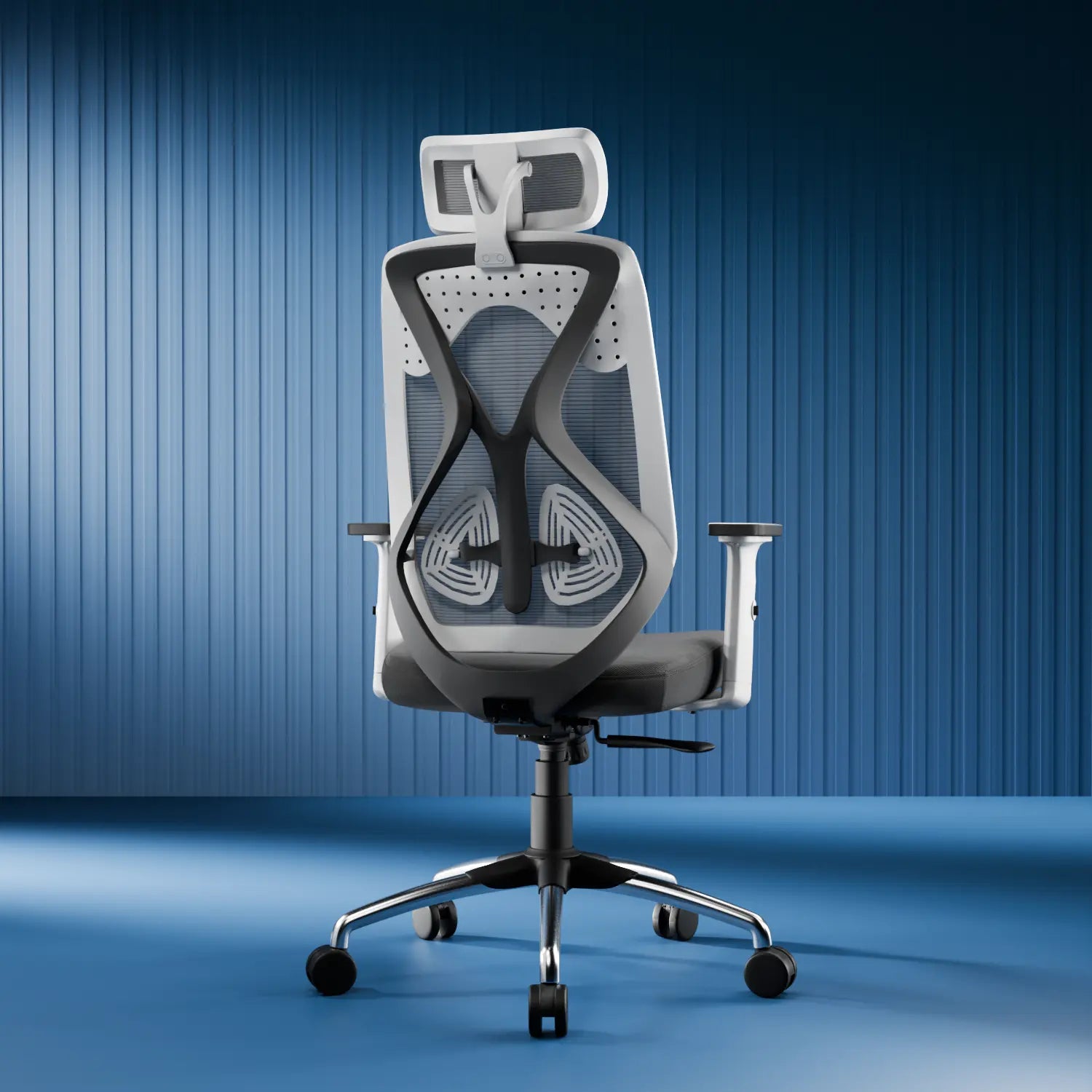
Better Lumbar Support Makes a Huge Difference
When discussing ergonomic chairs, lumbar support is often the first feature experts mention and for good reason. Research has consistently shown that poor sitting posture and inadequate lower back support contribute significantly to workplace discomfort.
The human spine naturally forms an S-shaped curve. When this curve isn't supported properly, pressure increases on the lower back muscles and spinal discs.
Premium ergonomic chairs are designed to maintain this natural spinal alignment through advanced lumbar support systems.
Many include:
-
Height-adjustable lumbar support
-
Depth-adjustable lumbar support
-
Dynamic lumbar systems that move with the user
Budget chairs often offer fixed support or minimal lower back contouring.
The result? Less personalized support and reduced comfort during long working hours.
Seat Foam Quality Matters More Than Most People Realize
Most buyers test a chair for a few minutes and assume it's comfortable. The real test happens after months of daily use.
One major factor is foam quality. Premium ergonomic chairs typically use:
-
High-density molded foam
-
Cold-cure molded foam
-
Long-lasting support materials

These materials retain their shape and support over time. Lower-density foam often compresses quickly, leading to:
-
Reduced comfort
-
Pressure points
-
Poor weight distribution
A chair that feels comfortable on day one may feel completely different after six months if the foam quality isn't designed for long-term use.
More Adjustability Creates Better Ergonomics
No way that two people sit exactly the same way. This is why adjustability is one of the most valuable features in an ergonomic chair.
The more a chair can adapt to your body, the more effectively it can support healthy posture.
Premium chairs often include:
-
Adjustable lumbar support
-
Seat depth adjustment
-
Multi-position recline
-
Tilt tension adjustment
-
3D or 4D armrests
-
Adjustable headrests
These features help users create a personalized seating experience.
Research shows that workstation customization can significantly improve comfort and reduce musculoskeletal discomfort.
Stronger Frames Improve Stability and Durability
A chair's frame determines how well it performs over time.
Many lower-cost chairs prioritize affordability by using lighter materials and simpler mechanisms.
Premium ergonomic chairs typically feature:
-
Reinforced structural frames
-
Stronger chair bases
-
Higher weight capacities
-
More durable tilt mechanisms
This provides better stability and a longer lifespan. For professionals working 8–10 hours daily, durability becomes just as important as comfort.
Mesh Quality Can Affect Comfort Every Day
For Indian weather conditions, breathable mesh is one of the most valuable chair features.
A high-quality mesh allows:
- Better airflow
- Reduced heat buildup
- Improved sitting comfort
However, not all mesh materials are created equal. Premium mesh is designed to:
- Retain tension
- Resist sagging
- Maintain support over time
Low-quality mesh may stretch and lose support much faster. This directly affects comfort and posture.
Safety Certifications and Testing Standards
One area many buyers overlook is safety. Premium ergonomic chairs often undergo extensive testing and use certified components.
These may include:
- Certified gas liftsTested tilt mechanisms
- Durability testing
- Load-bearing tests
These standards help ensure the chair performs reliably for years.
Cheap Chair vs Premium Ergonomic Chair
|
Feature |
Budget Chair |
Premium Ergonomic Chair |
|
Lumbar Support |
Basic or Fixed |
Fully Adjustable |
|
Seat Foam |
Standard Foam |
High-Density Molded Foam |
|
Armrests |
Fixed |
3D/4D Adjustable |
|
Recline Options |
Limited |
Multi-Position |
|
Mesh Quality |
Basic |
Premium Breathable Mesh |
|
Durability |
1–3 Years |
5–10 Years |
|
Comfort for Long Hours |
Moderate |
Excellent |
|
Warranty |
Limited |
Extended Coverage |
|
Posture Support |
Basic |
Advanced Ergonomic Support |

The Real Cost of a Cheap Office Chair
Let's look beyond the purchase price. A ₹7,000 chair replaced every two years may cost more over time than a high-quality ergonomic chair that lasts for years.
But the cost isn't just financial.
There's also:
- Reduced comfort
- Poor posture support
- Increased fatigue
- Lower productivity
When evaluating an office chair, consider the cost per year, not just the upfront price.
Are Expensive Ergonomic Chairs Worth It?
For someone who spends 8–10 hours a day sitting, the answer is often yes.
A quality ergonomic chair can help:
-
Improve posture
-
Support spinal alignment
-
Reduce discomfort
-
Increase comfort during long working hours
-
Last significantly longer
The goal isn't to buy the most expensive chair. The goal is to buy the chair that provides the best long-term value.
Final Thoughts
When shopping for an office chair, it's easy to focus on price. But the real value of an ergonomic chair comes from what it delivers every day: comfort, support, adjustability, and durability.
Two chairs may look similar online, but their performance over months and years can be dramatically different. Instead of comparing chairs based only on cost, compare the features that truly impact your daily experience.
Because the best ergonomic chair isn't necessarily the cheapest chair. It's the chair that supports your posture, productivity, and well-being every single day.
The best ergonomic chair isn't the cheapest, it's the one that supports your health, comfort, and productivity every day. Choose Vergo for best ergonomic chairs.
FAQ -
1. What makes a chair truly ergonomic?
A truly ergonomic chair adapts to your body through adjustable lumbar support, seat height, armrests, recline settings, headrest adjustment, and proper spinal alignment support.
2. Why do ergonomic chairs cost more than regular office chairs?
Ergonomic chairs are designed using specialized engineering, premium materials, adjustable features, and posture-support technologies that regular office chairs often lack.
3. What is the most important feature in an ergonomic chair?
Lumbar support is often considered the most important ergonomic feature because it helps maintain the natural curve of the spine and reduces lower back strain.
4. Why do some office chairs look identical but have different prices?
The difference often lies in the materials, engineering, durability, adjustment mechanisms, testing standards, and ergonomic features that are not immediately visible in product photos.
5. How much should I spend on an ergonomic chair in India?
The ideal budget depends on usage. For professionals working 8+ hours daily, investing in a chair with adjustable ergonomic features often provides better long-term value than focusing solely on the lowest price.