



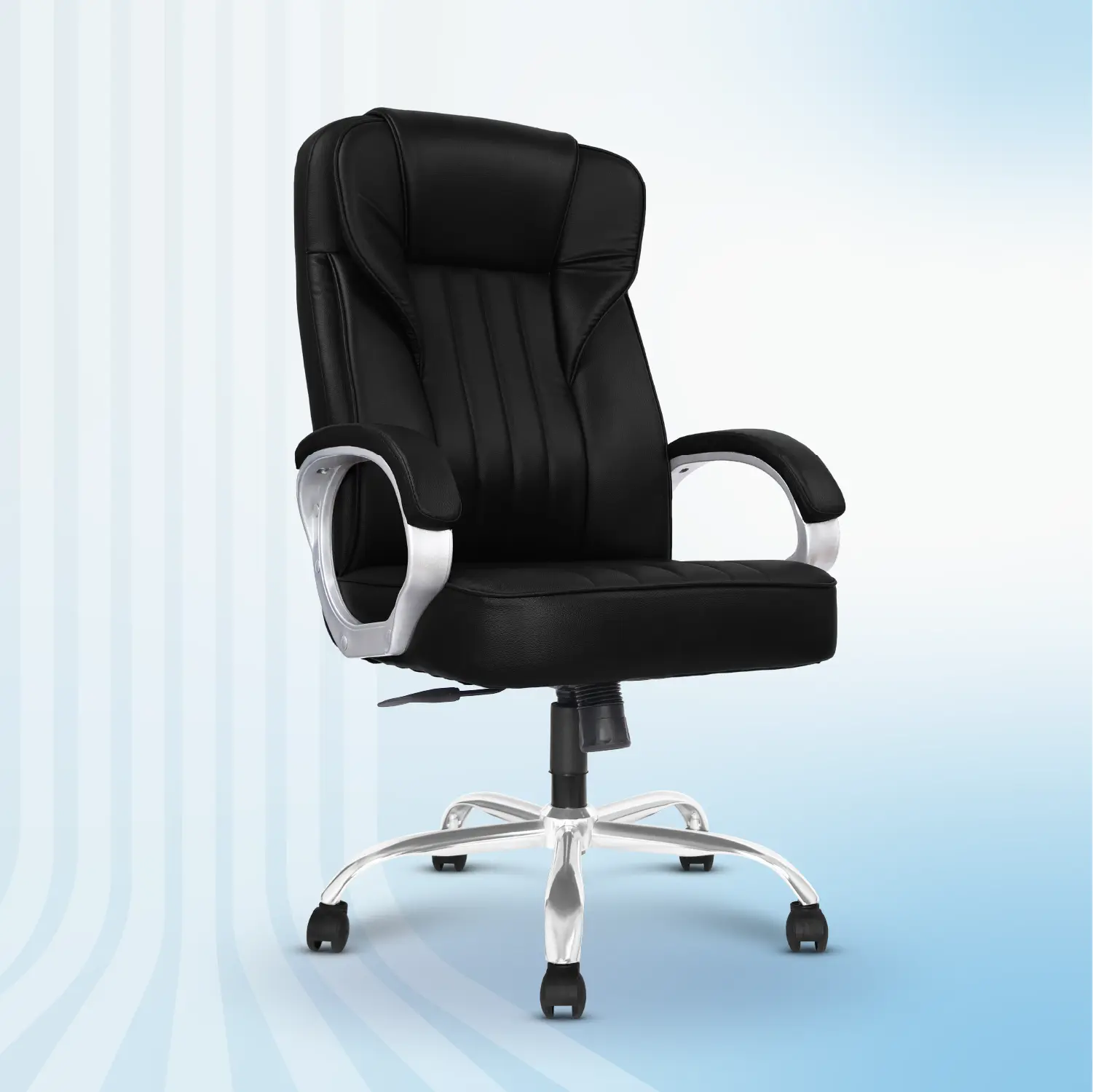

If you’re a parent or a student, you’ve probably noticed this pattern: a student sits down to study with good intentions, but within minutes, focus starts slipping. There’s restlessness, constant shifting, frequent breaks, or simply staring at the book without absorbing anything.
This behaviour is often misunderstood as laziness or lack of interest. However, in most cases, that’s not the real reason.
Research on student study habits shows that students spend an average of 6–8 hours a day sitting for studies, online classes, and homework. Studies also report that over 70% of students experience back, neck, or shoulder discomfort during long study hours, which directly affects concentration and energy levels.
Common Reasons Students Lose Concentration
When parents search why students lose focus while studying, they often expect answers related to discipline, screen addiction, or motivation. While these factors can play a role, research and real-life observation show that physical discomfort is one of the most common and ignored reasons.
Some very common reasons include:
-
Sitting for long hours without proper support
-
Using dining chairs or non-supportive seating
-
Poor study posture while reading or using a laptop
-
No regular breaks between study sessions
-
Poor lighting and cluttered desks
According to education and ergonomics studies, nearly 60% of students report reduced focus when they feel physically uncomfortable while studying. The brain simply cannot stay attentive when the body keeps feeling strained.
Over time, these physical issues quietly turn into focus problems while studying, even when the student is mentally willing to learn.
How Sitting Discomfort Affects Focus
Sitting discomfort is one of the biggest reasons students struggle to stay focused during study time.
When students sit on a chair without back support or proper chair for lumbar support, the body has to work much harder just to maintain a sitting position. As a result:
-
Muscles work harder just to sit upright
-
The body keeps shifting to find comfort
-
Tiredness sets in quickly
-
Focus drops much faster
Studies show that students using non-ergonomic seating lose concentration nearly 30% faster than those sitting on supportive chairs.
This is why a study chair for students matters not because it looks better, but because it supports the body during long sitting hours.
Study Posture and Energy Levels
Posture and energy levels are closely linked, especially for students.
Some common study posture problems include:
-
Slouching forward
-
Sitting without touching the backrest
-
Leaning on one side for long periods
-
Sitting with feet not resting flat
Research in student ergonomics indicates that poor posture reduces oxygen flow and increases fatigue, making students feel sleepy or restless even if they are mentally motivated.
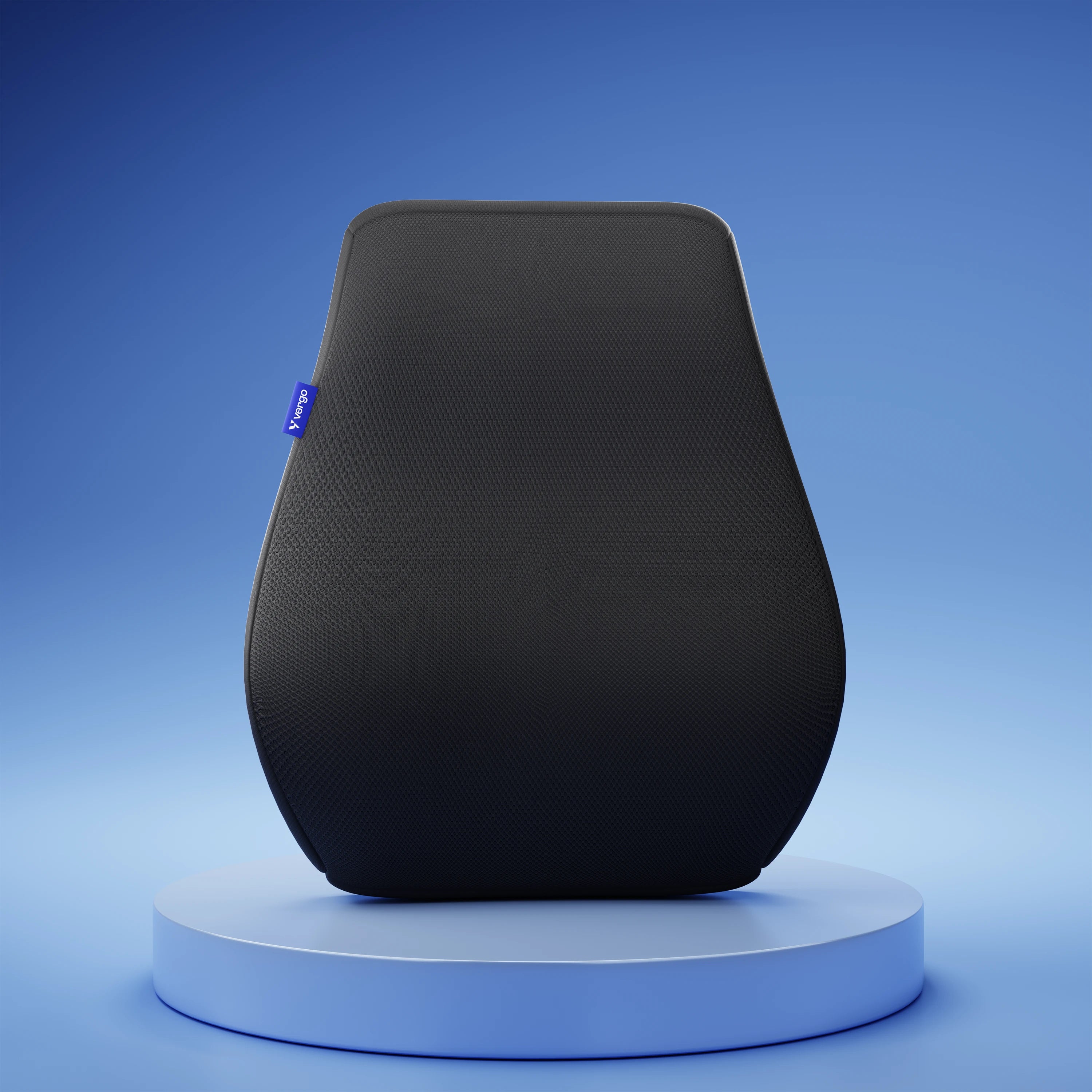
A chair with back support and proper chair for lumbar support helps the spine stay in a natural position, reducing tiredness and helping students stay alert for longer periods
Desk and Chair Setup Mistakes
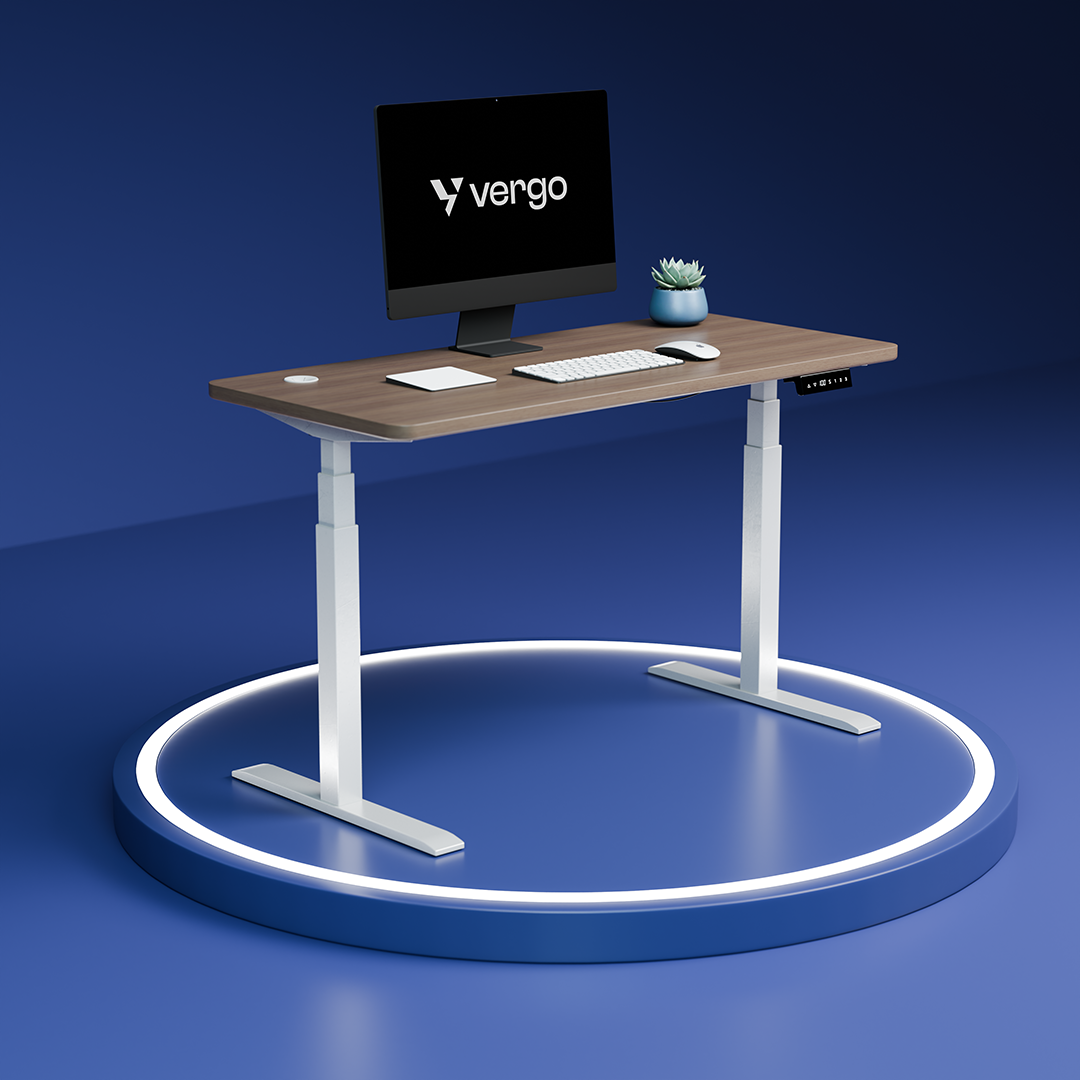
A poor study desk setup for students can undo even the best study schedule.
Common mistakes include:
-
Studying on beds, sofas, or dining chairs
-
Chair height that doesn’t allow feet to rest flat
-
Desk too high or too low compared to the chair
-
Screen placed too low, forcing the neck to bend
-
No back support while sitting

Studies show that students using an improper desk-chair setup experience up to 40% more physical discomfort, which directly impacts attention and learning ability.
A good setup should allow:
-
Feet flat on the floor
-
Back supported by the chair
-
Desk height aligned with elbows
-
Screen or books at eye level
This simple setup helps the body relax so the brain can focus.
Simple Changes That Improve Study Focus
Improving focus does not require major changes. Small improvements make a big difference.
1 ) Use a Supportive Study Chair
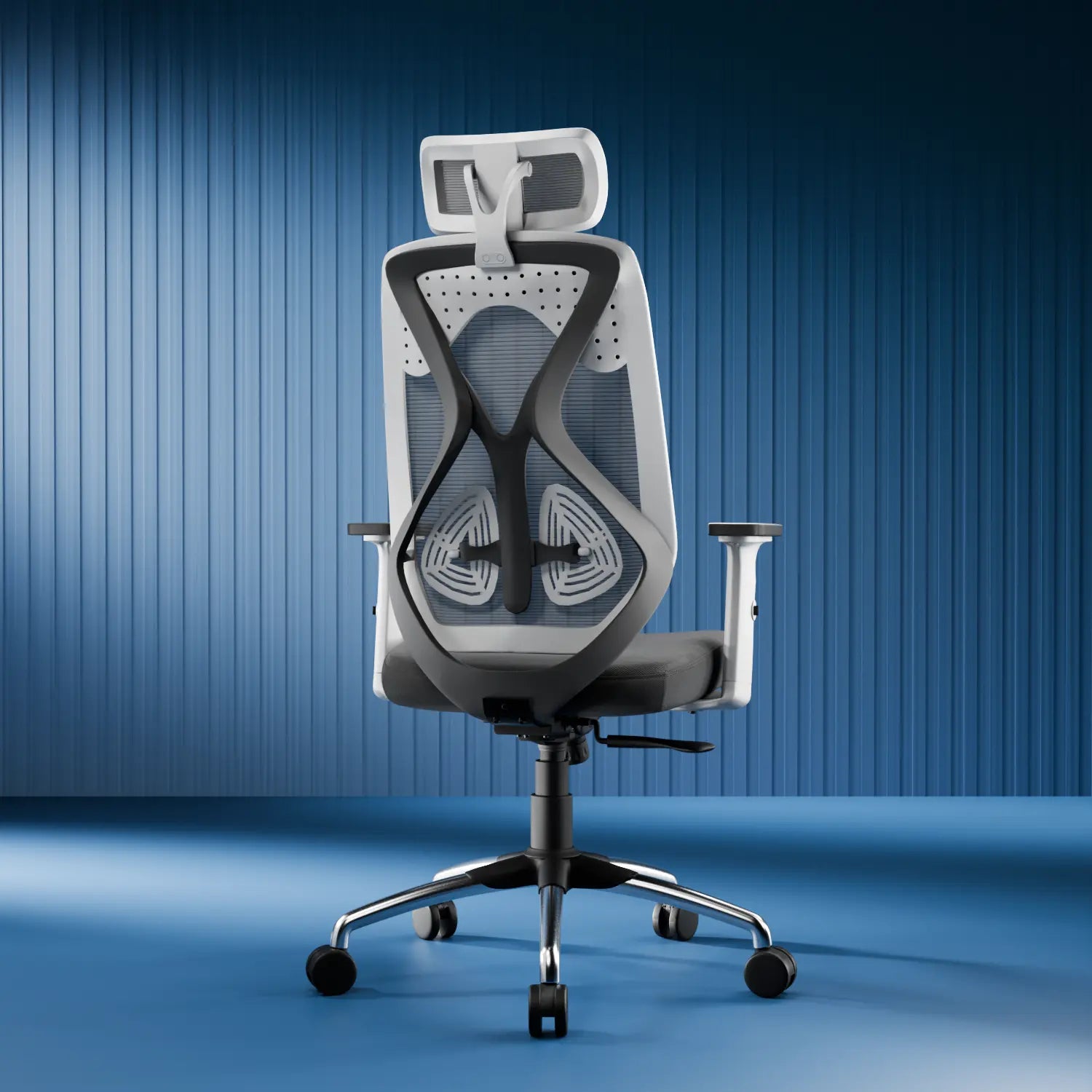
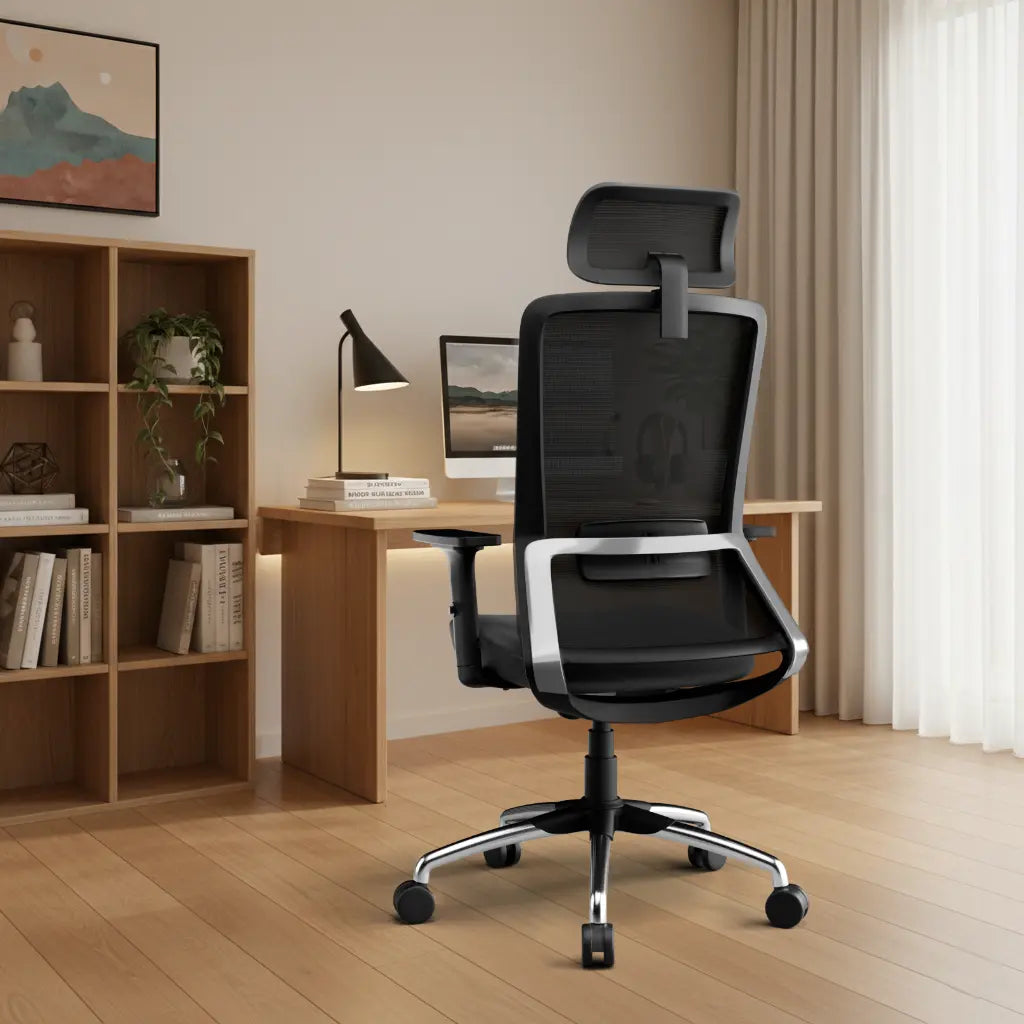
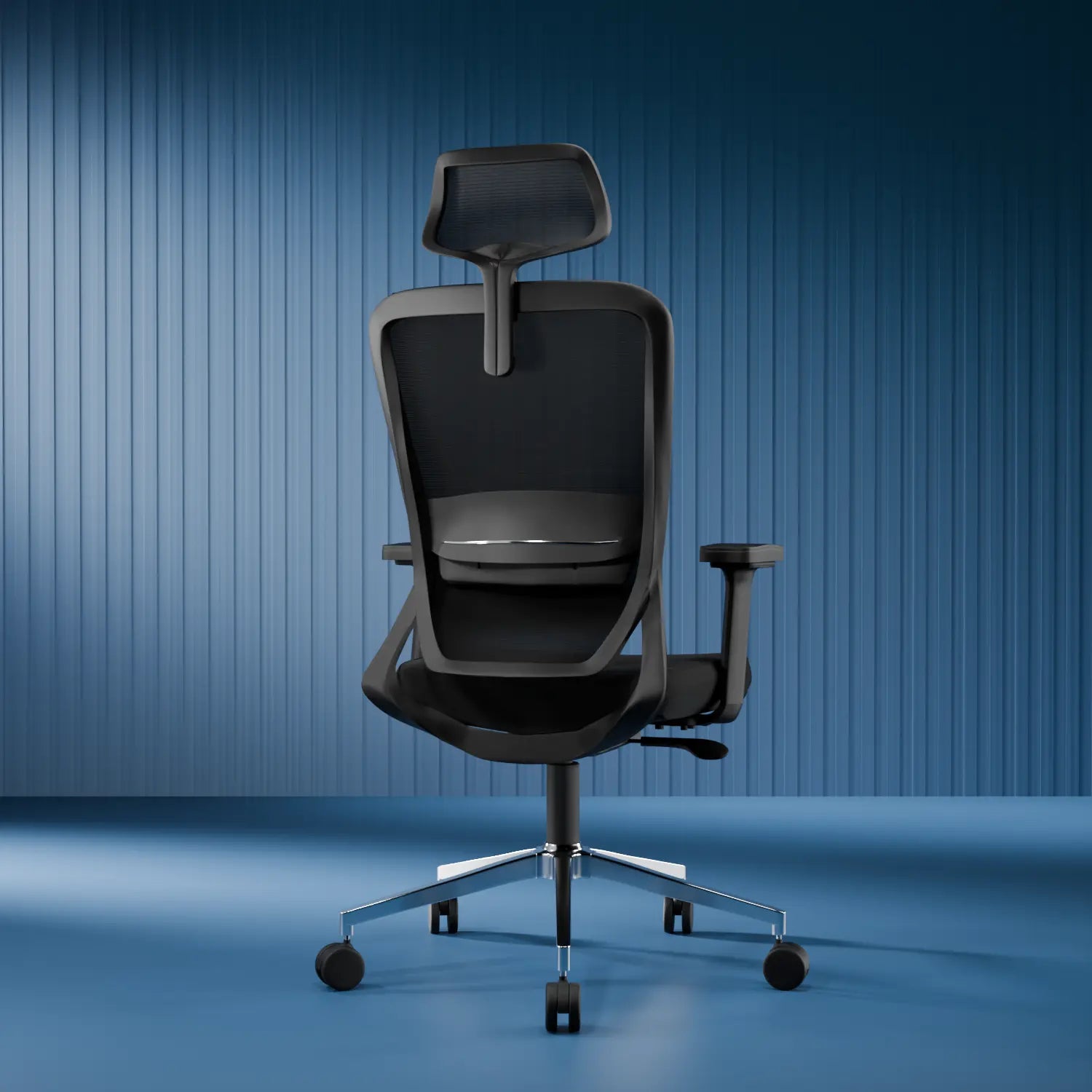
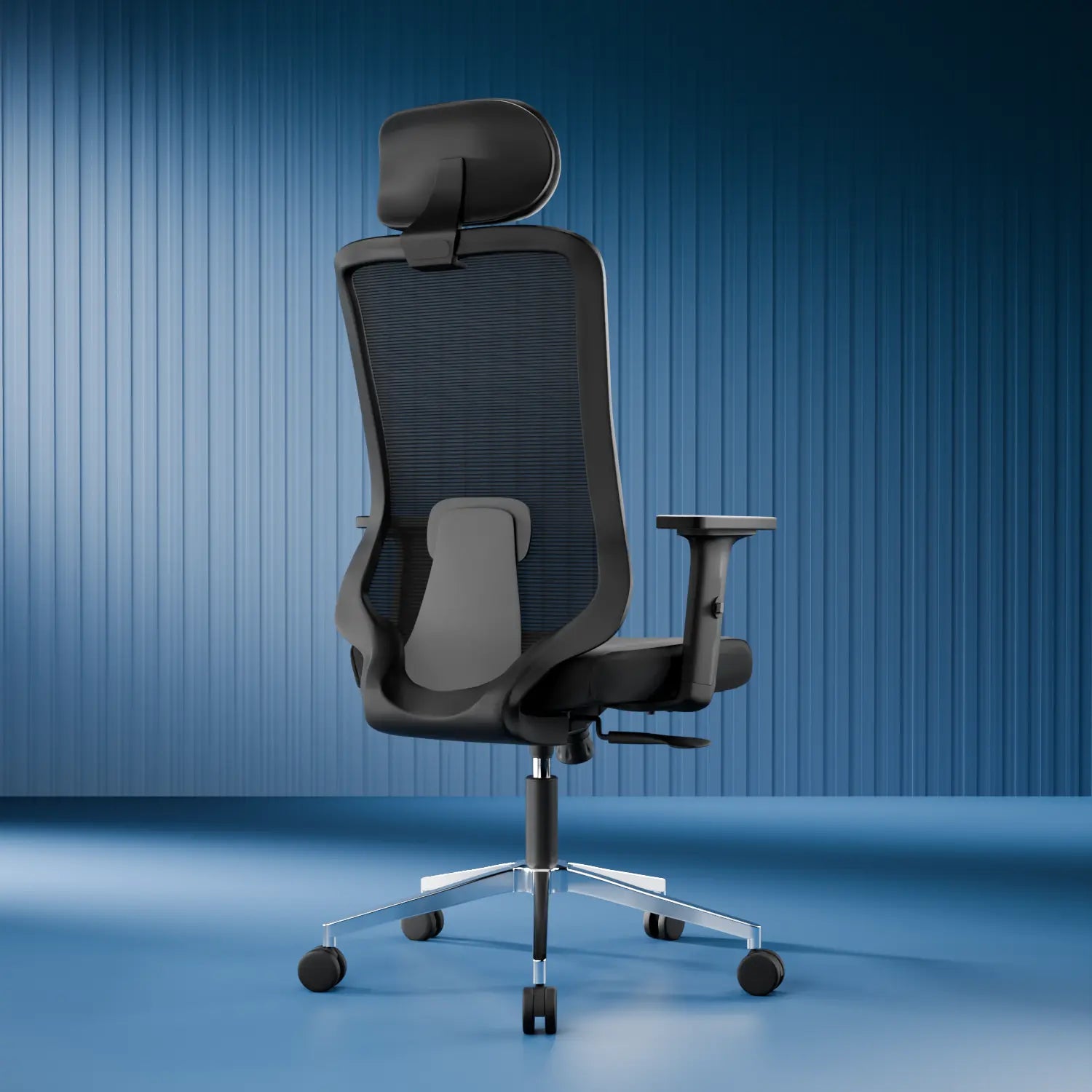
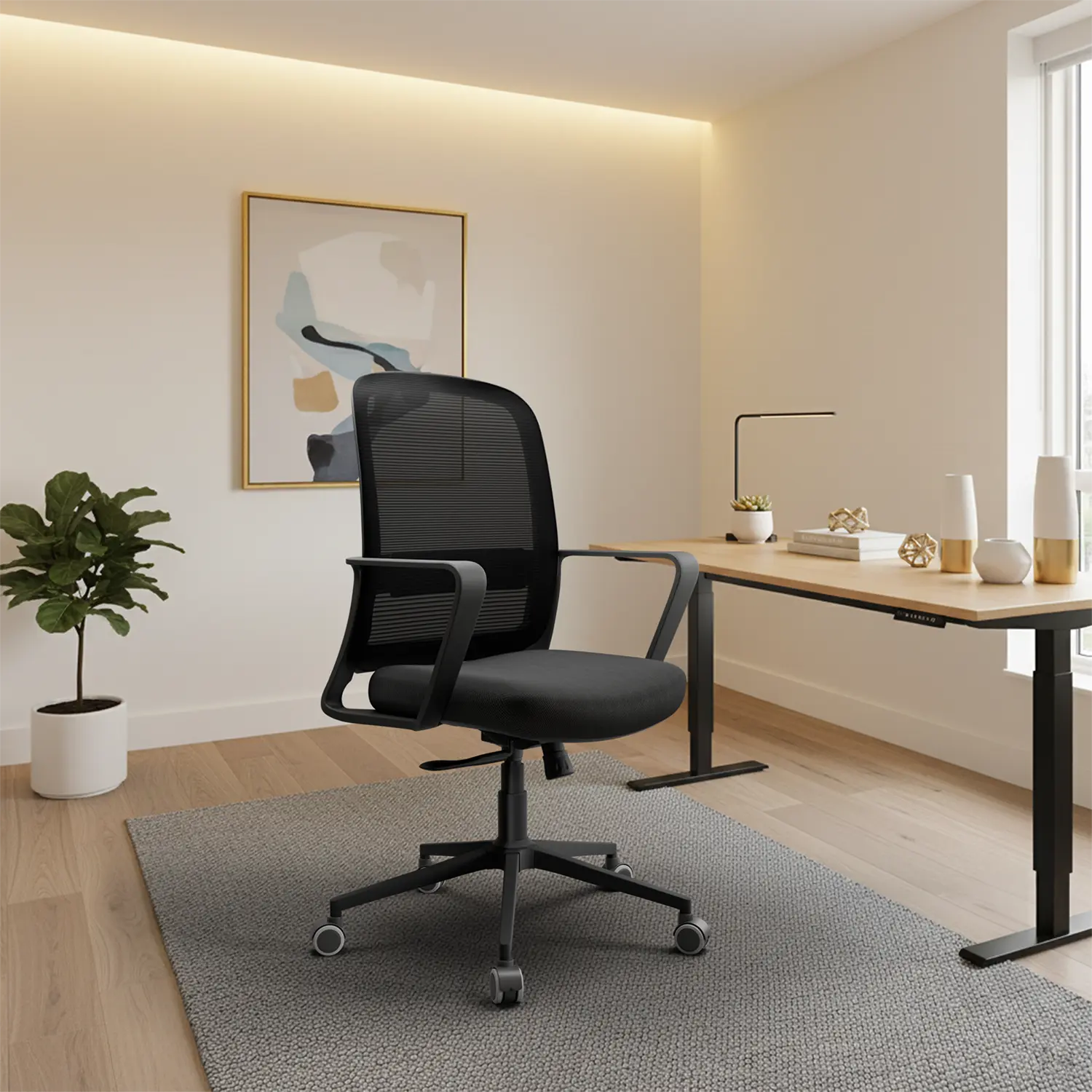
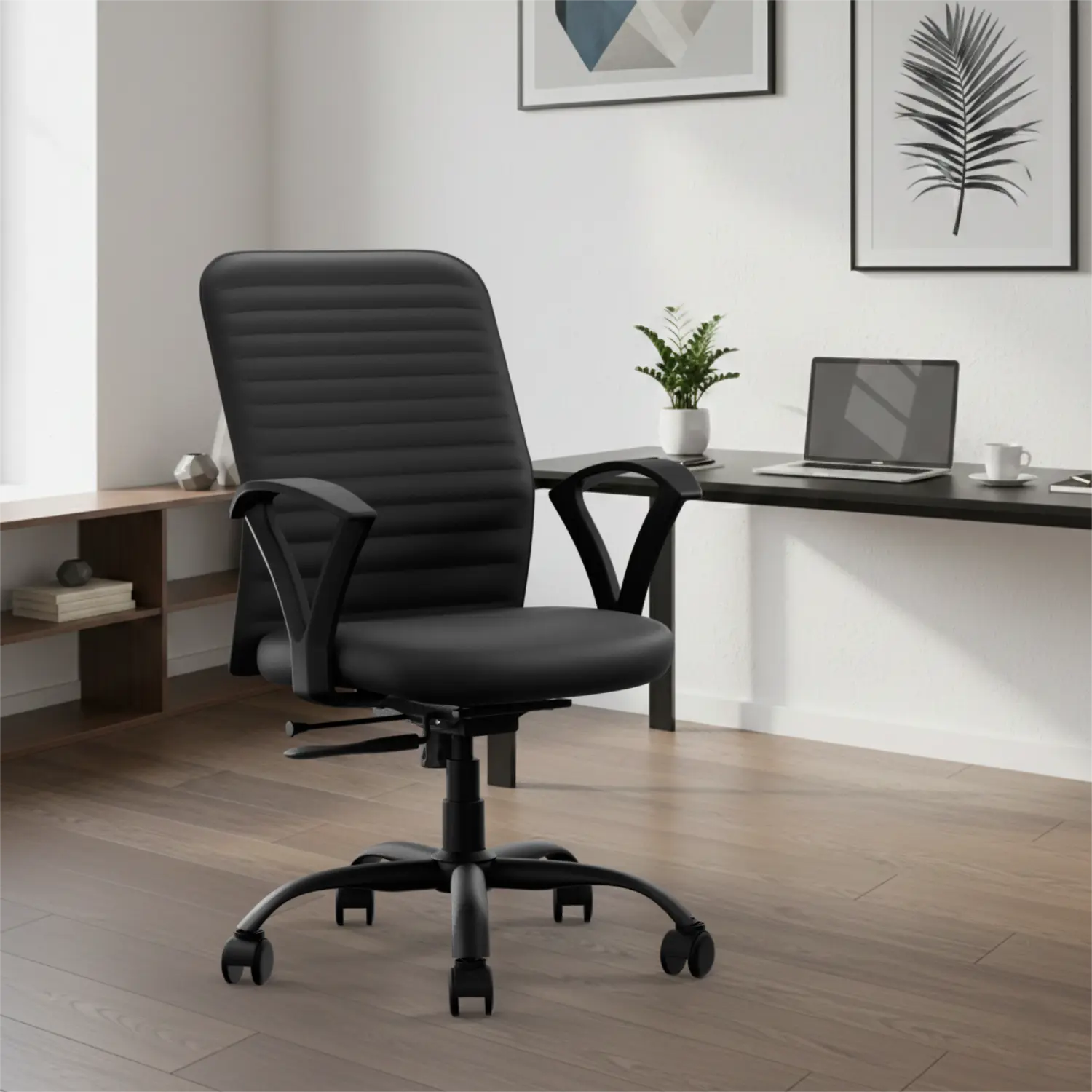
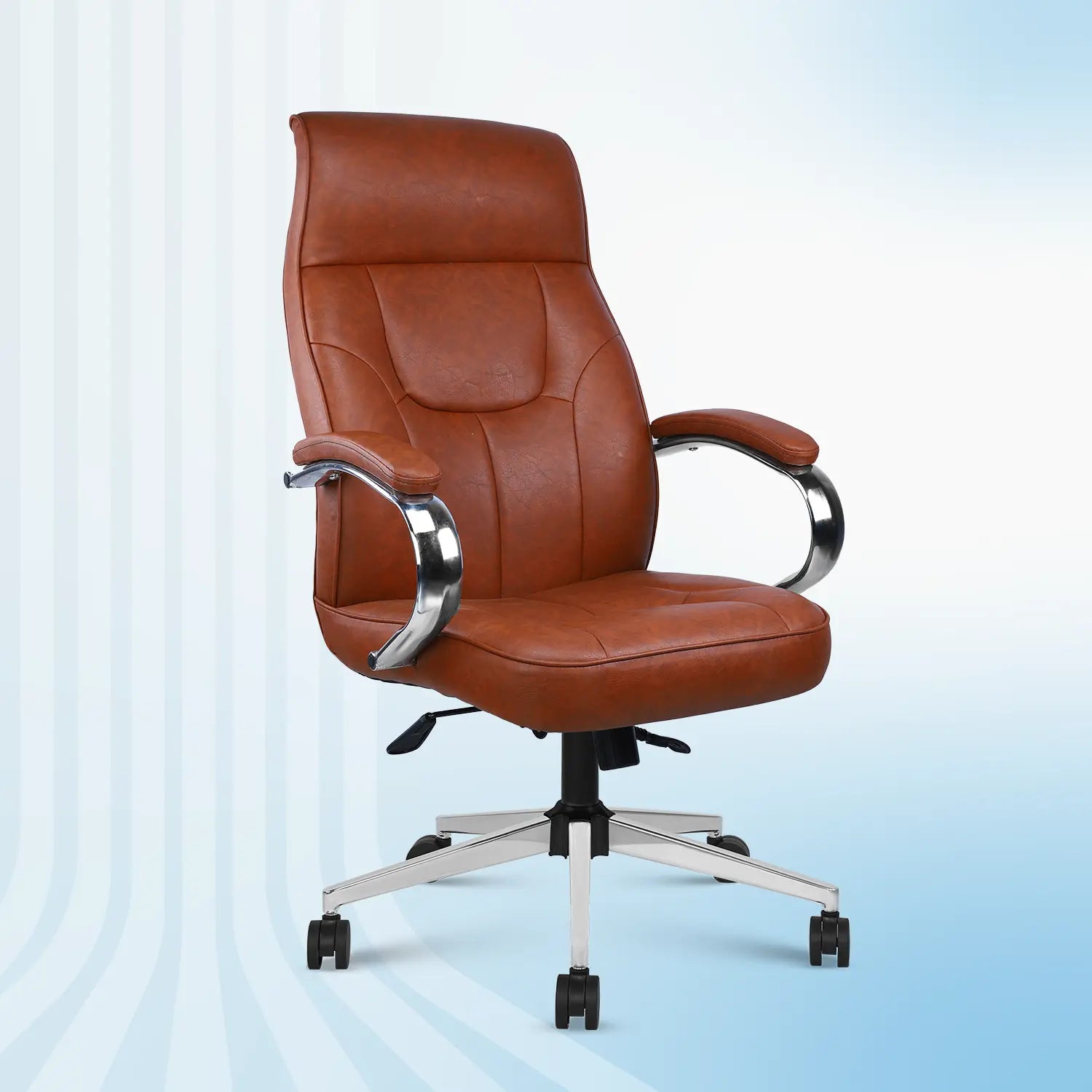
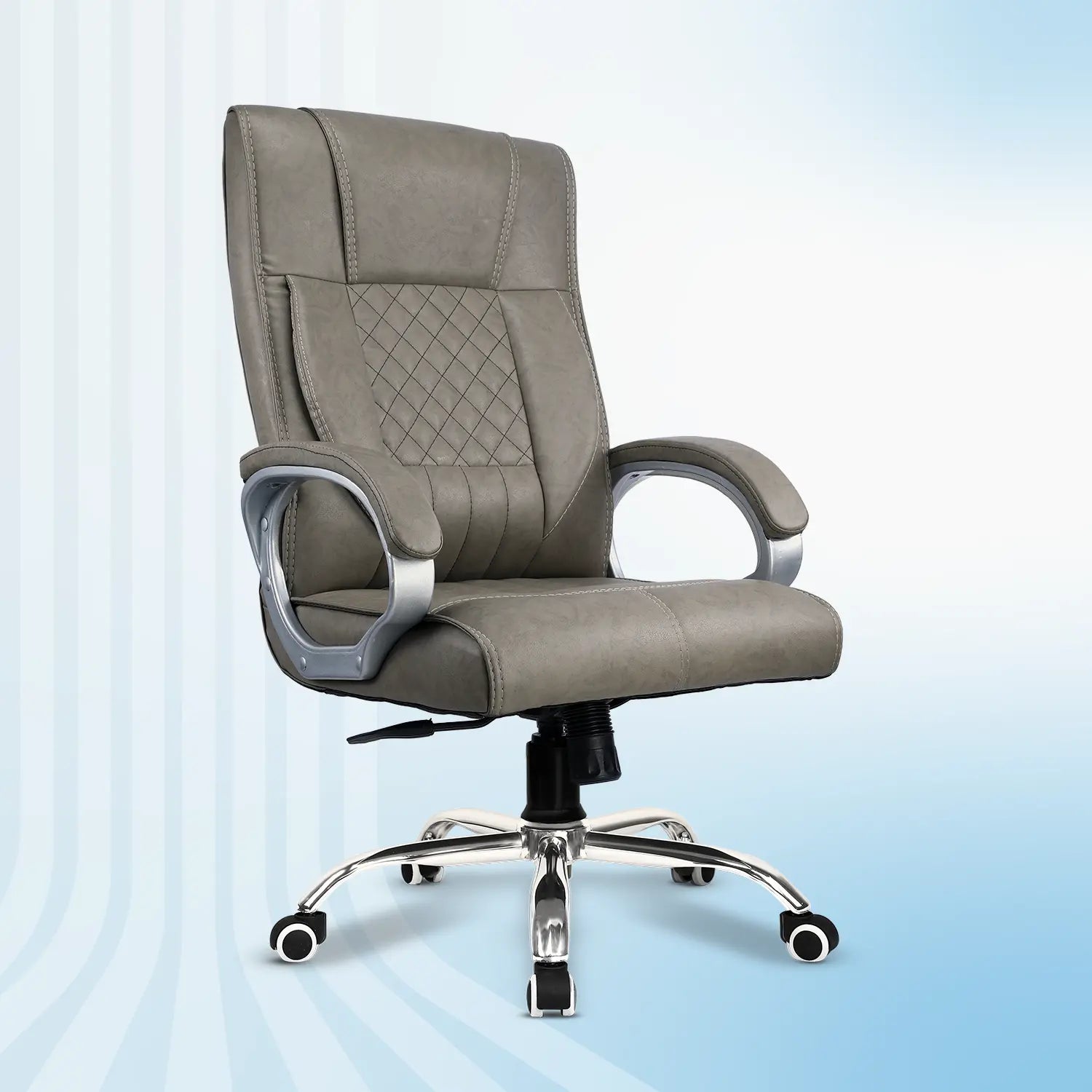
A study chair for home should include:
-
Back support
-
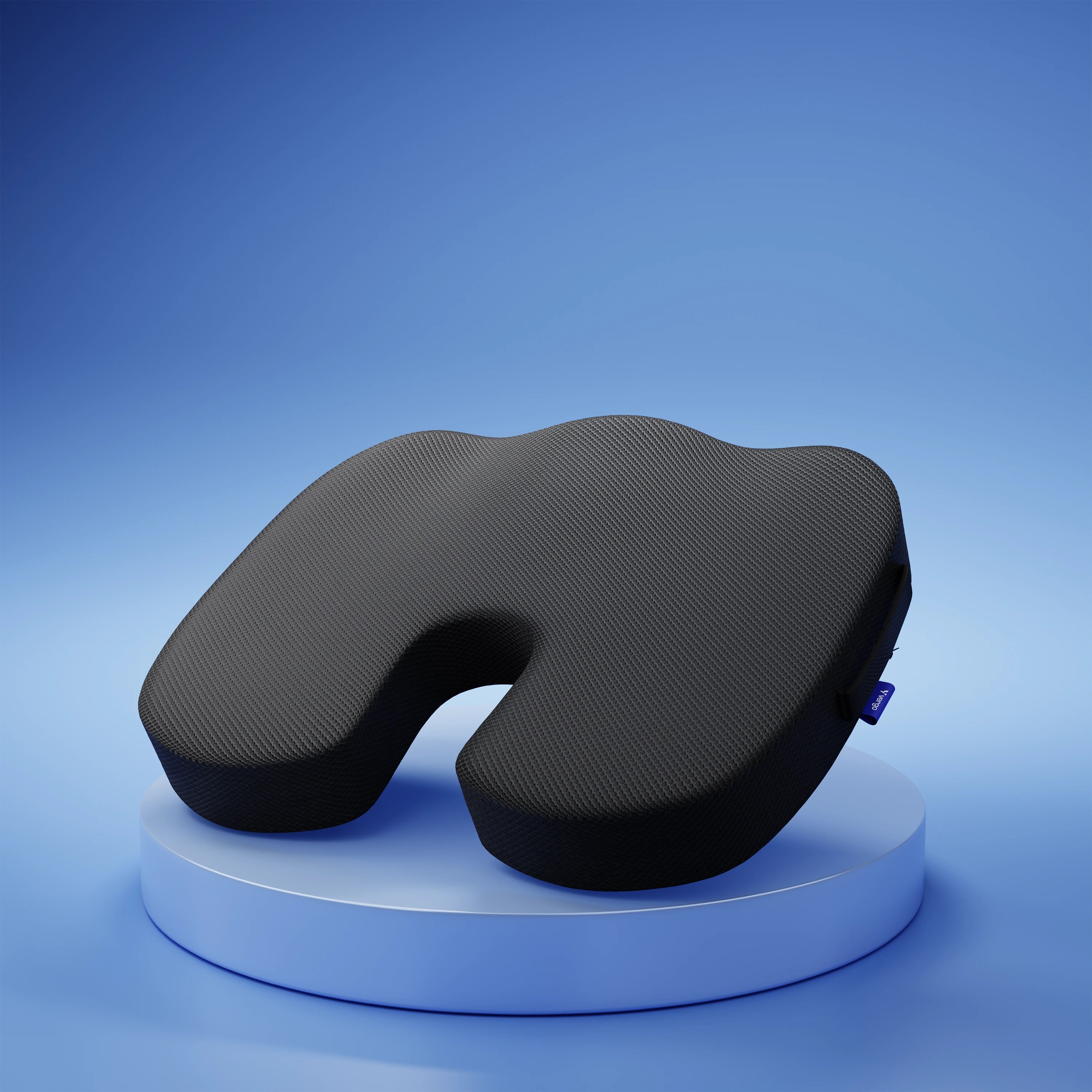
Comfortable seat cushioning
-
Adjustable height
-
Lumbar support
 An ergonomic chair or even a simple best ergonomic desk chair helps students sit comfortably for longer without feeling tired.
Parents often worry about study chair price, but studies show that investing in a supportive chair early reduces discomfort complaints and improves study time.
2) Improve Desk Setup
A clean desk, correct height, and good lighting reduce distractions and help students concentrate better.
3) Encourage Regular Breaks
Research suggests that short breaks every 40–50 minutes improve focus and memory retention compared to studying continuously for long hours.
Student Discount for Better Study Seating
At Vergo, we understand that students need proper support without high costs. That's why Vergo offers a special student discount on selected study and ergonomic chairs, helping parents choose quality seating at an affordable study chair price.
This makes it easier for students to study comfortably at home without compromising posture or focus.
Final Thoughts
If students lose focus while studying at a desk, the reason is often not motivation, it’s discomfort.
Research clearly shows that poor posture, wrong chairs, and bad desk setups reduce focus, energy, and study efficiency. By improving seating, posture, and study setup, parents can help students concentrate better without pressure.
A comfortable body supports a focused mind and that makes learning easier every day.
FAQ -
1) Can a wrong chair affect a student’s concentration?
Ans - Yes. A chair without back or lumbar support can cause discomfort, making it harder for students to concentrate for long periods.
2) Does posture really affect study focus?
Ans - Yes. Poor study posture increases tiredness and reduces alertness, while supported posture helps students stay focused longer.
3) Is an ergonomic chair good for students?
Ans - An ergonomic chair supports the back and posture, helping students sit comfortably and focus better during long study hours.
4) What is the best chair for studying at home?
Ans - A study chair with back support, adjustable height, and lumbar support is best for studying at home.