



Lower back pain has quietly become one of the most common discomforts of modern life. Whether you work from home, sit at a desk all day, or spend long hours on a laptop, that dull ache or stiffness in the lower back often shows up without warning.
The good news?
You don't always need intense workouts, expensive equipment, or complicated routines to feel better.
Simple, gentle exercises done consistently can help ease stiffness, improve mobility, and support overall back health, especially if your discomfort comes from long hours of sitting or limited movement during the day.
This blog shares easy exercises for lower back pain you can do at home, explained in a clear, non-medical way, so they are easy to understand and safe for everyday use.
(Important: These exercises are for general awareness and comfort only. They are not medical treatment. If you have severe pain, injury, or a diagnosed spine condition, consult a healthcare professional before trying new exercises.)
Why Lower Back Pain Is So Common Today
For many people, lower back pain isn't caused by heavy lifting or sudden injury. It builds slowly due to everyday habits.
Common contributors include:
- Prolonged sitting with limited movement
- Working from home without regular breaks
- Long hours on laptops or screens
-
Staying in one position for too long
When the body doesn't move often, muscles around the lower back can feel tight and stiff. Over time, this leads to discomfort, reduced flexibility, and that familiar “tight back” feeling by the end of the day.
That’s why simple exercises for lower back pain from sitting can make such a noticeable difference.
Can Simple Exercises Really Help Lower Back Pain?
Yes, especially when discomfort is linked to stiffness rather than injury.
Gentle exercises help by:
-
Encouraging movement after long sitting hours
-
Improving blood flow to tight muscles
-
Reducing stiffness in the lower back and hips
-
Supporting better daily mobility
These movements aren’t about pushing through pain. They’re about giving your body the movement it’s been missing.
Simple Exercises for Lower Back Pain You Can Do at Home
These exercises require no equipment, minimal space, and just a few minutes a day. Move slowly, breathe normally, and stop if anything feels uncomfortable.
1. Knee-to-Chest Stretch -
A simple stretch that helps release tension in the lower back.
How to do it:
-
Lie on your back with knees bent and feet flat
-
Gently bring one knee toward your chest
-
Hold for 15–20 seconds
-
Switch legs, then try both knees together

Why it helps:
This stretch relaxes tight lower back muscles and is especially helpful after long periods of sitting.
2. Pelvic Tilts
A gentle movement that supports lower back mobility.
How to do it:
-
Lie on your back with knees bent
-
Tighten your core slightly and flatten your lower back against the floor
-
Hold for a few seconds, then relax
-
Repeat 8–10 times

Why it helps:
Pelvic tilts encourage gentle movement in the lower back and can reduce stiffness caused by prolonged sitting.
3. Cat–Cow Stretch
A slow, flowing movement for the spine.
How to do it:
-
Start on hands and knees
-
Inhale as you gently arch your back
-
Exhale as you round your spine
-
Move slowly for 6–8 rounds

Why it helps:
This stretch improves spinal mobility and is commonly recommended for people experiencing lower back stiffness from desk work.
4. Seated Forward Fold (Chair Version)
Perfect for people who prefer desk exercises for lower back pain.
How to do it:
-
Sit comfortably on a chair
-
Slowly bend forward, letting your arms relax toward the floor
-
Hold for 15–20 seconds
-
Return to sitting slowly

Why it helps:
This helps release tension in the lower back and hamstrings without needing to get down on the floor
5. Gentle Hip Opener Stretch
Tight hips often contribute to lower back discomfort.
How to do it:
-
Sit upright on a chair
-
Place one ankle over the opposite knee (if comfortable)
-
Lean forward slightly
-
Hold for 15–20 seconds, then switch sides

Why it helps:
This stretch supports hip mobility, which can ease pressure on the lower back during long sitting hours.
Desk-Friendly Movements You Can Do During the Day
You don’t need to wait until the end of the day to move.
Simple movements during work hours include:
-
Standing up and stretching every 30–40 minutes
-
Gentle back extensions while standing
-
Short walks around the room
These small breaks reduce the effects of long working hours and help prevent stiffness from building up
Exercises Work Best When Combined With Healthy Sitting Habits
While exercises are helpful, they work best alongside simple daily habits:
-
Avoid sitting for long periods without movement
-
Change positions regularly
-
Take short breaks during work hours
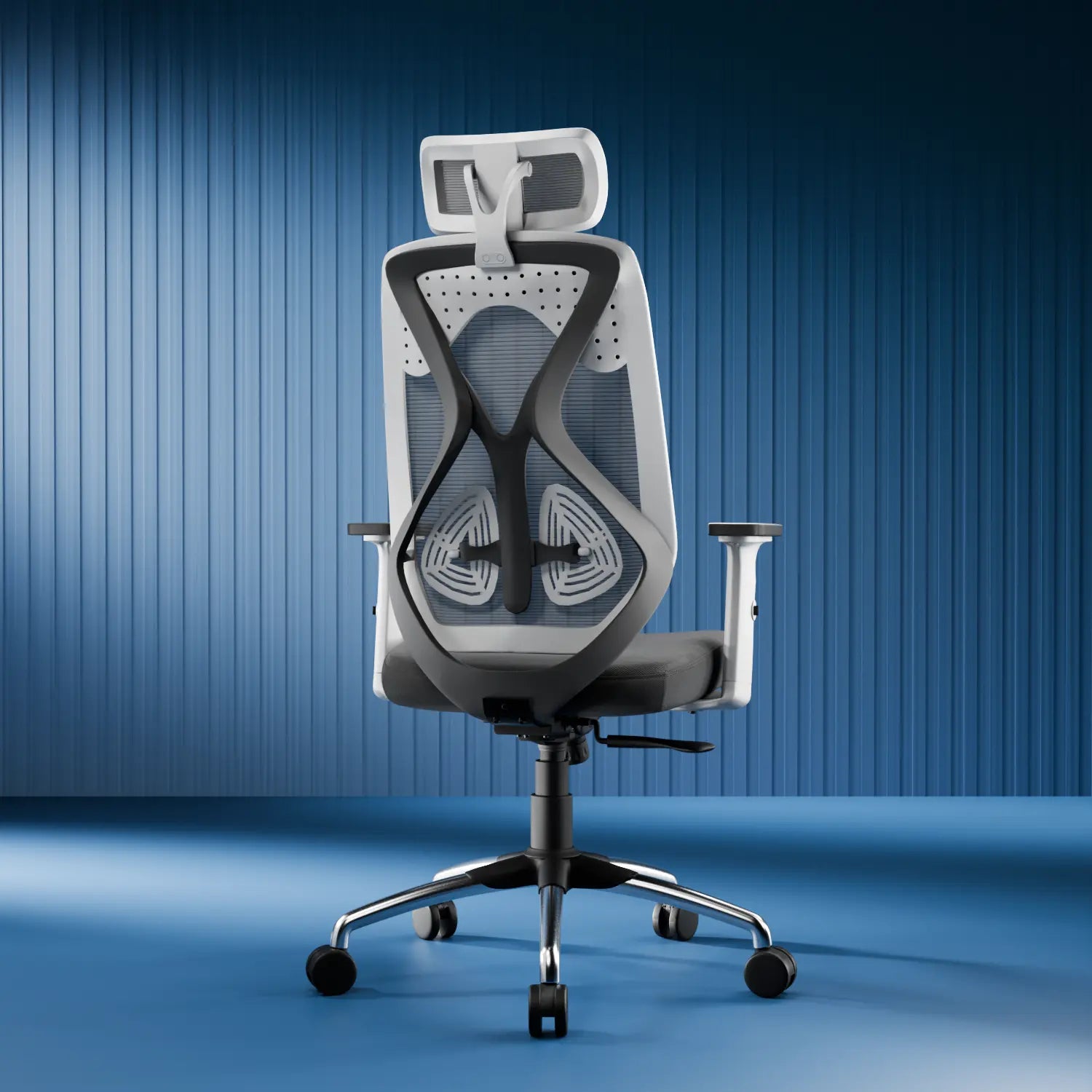
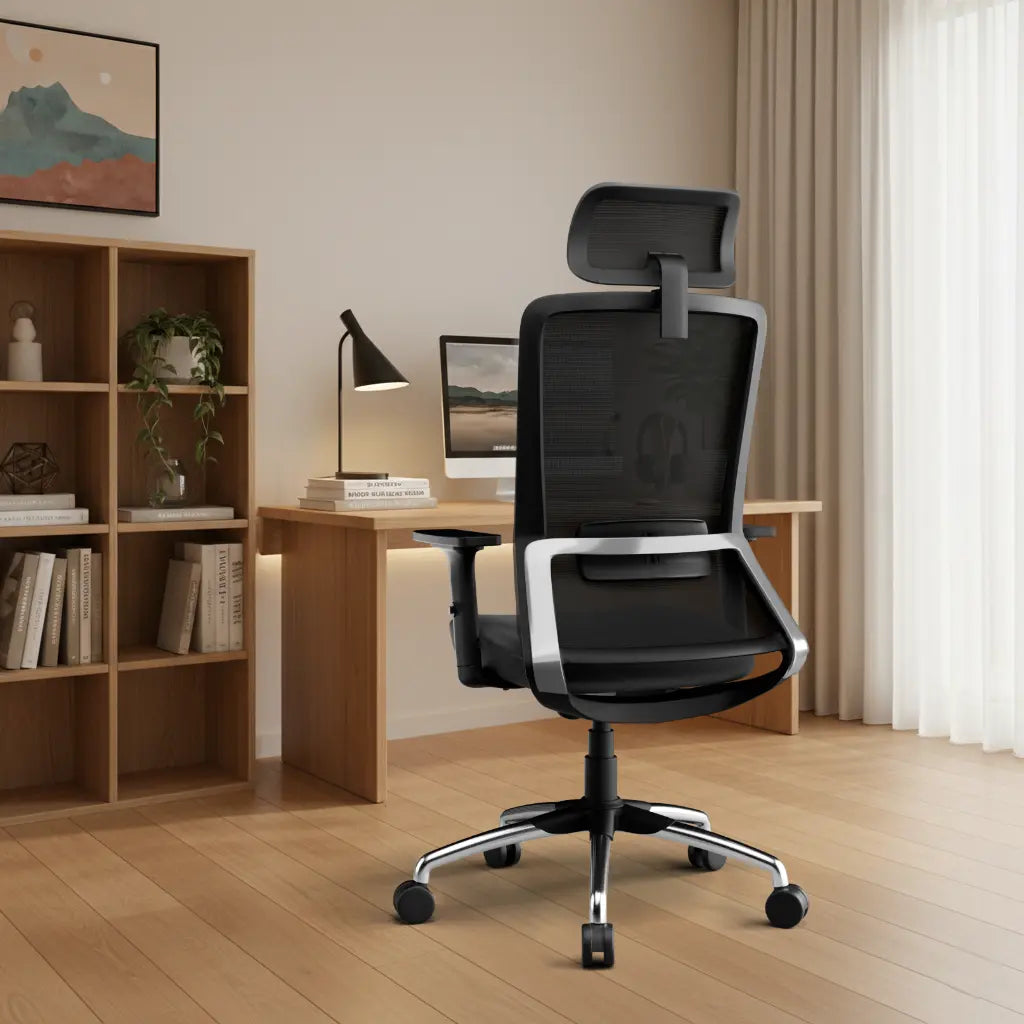
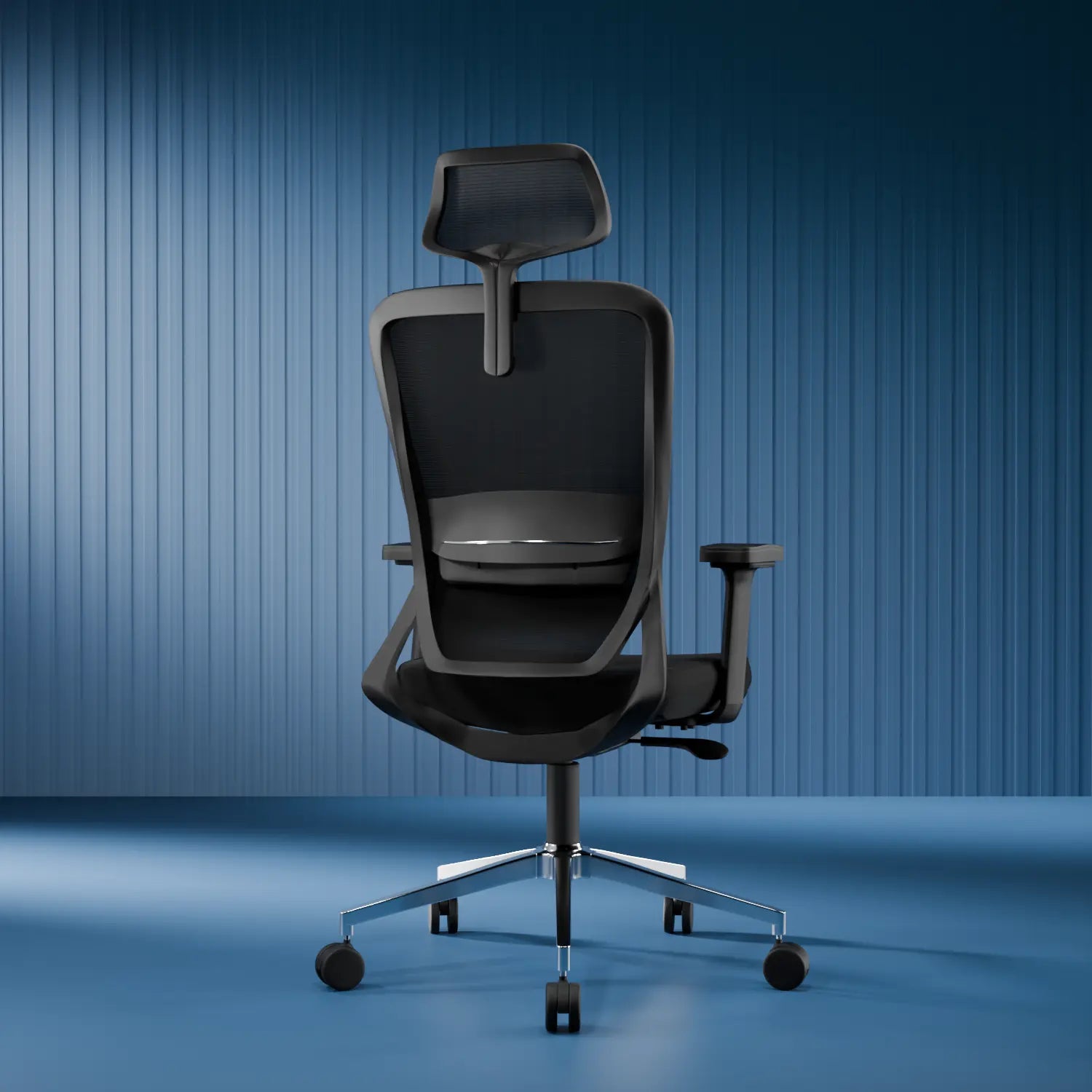
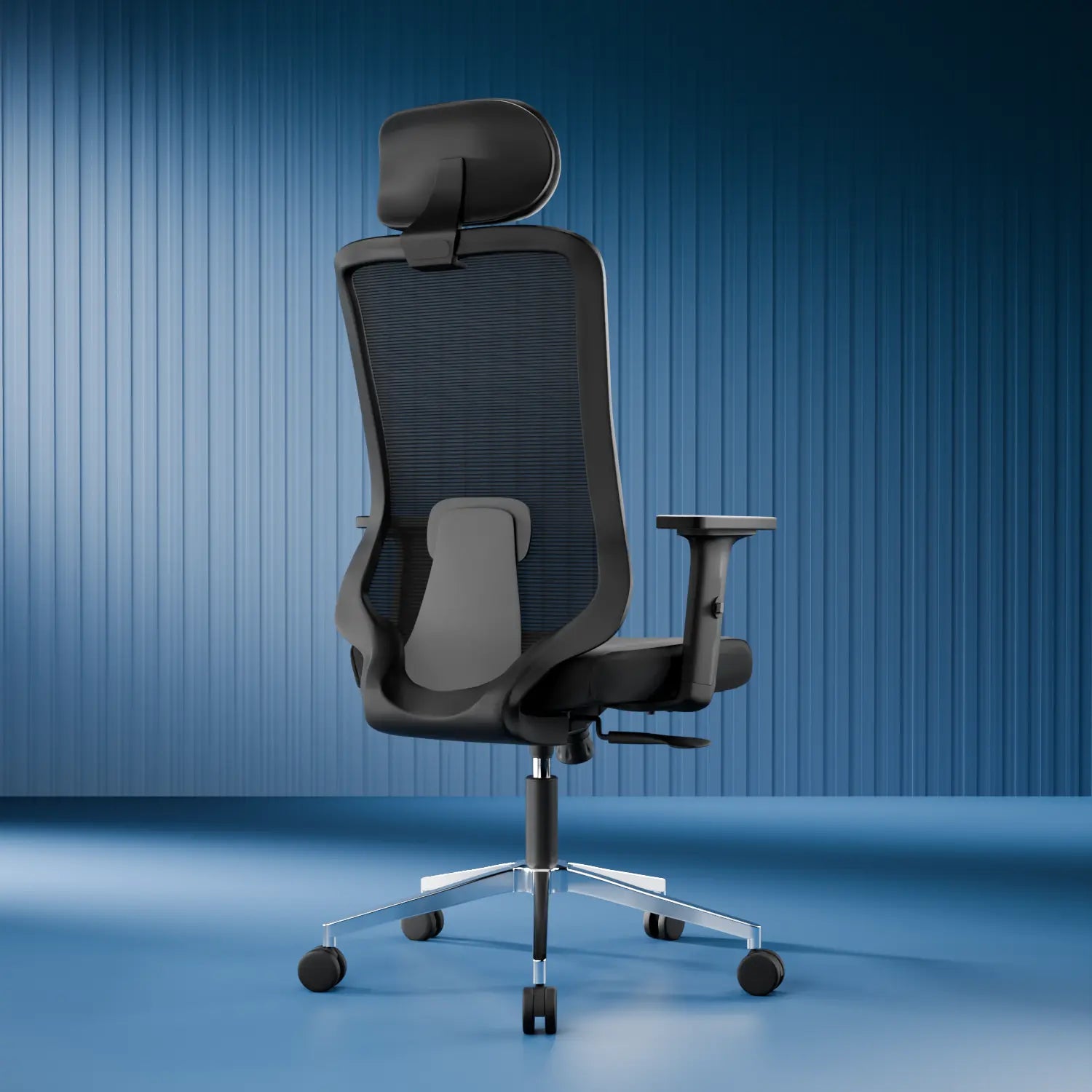
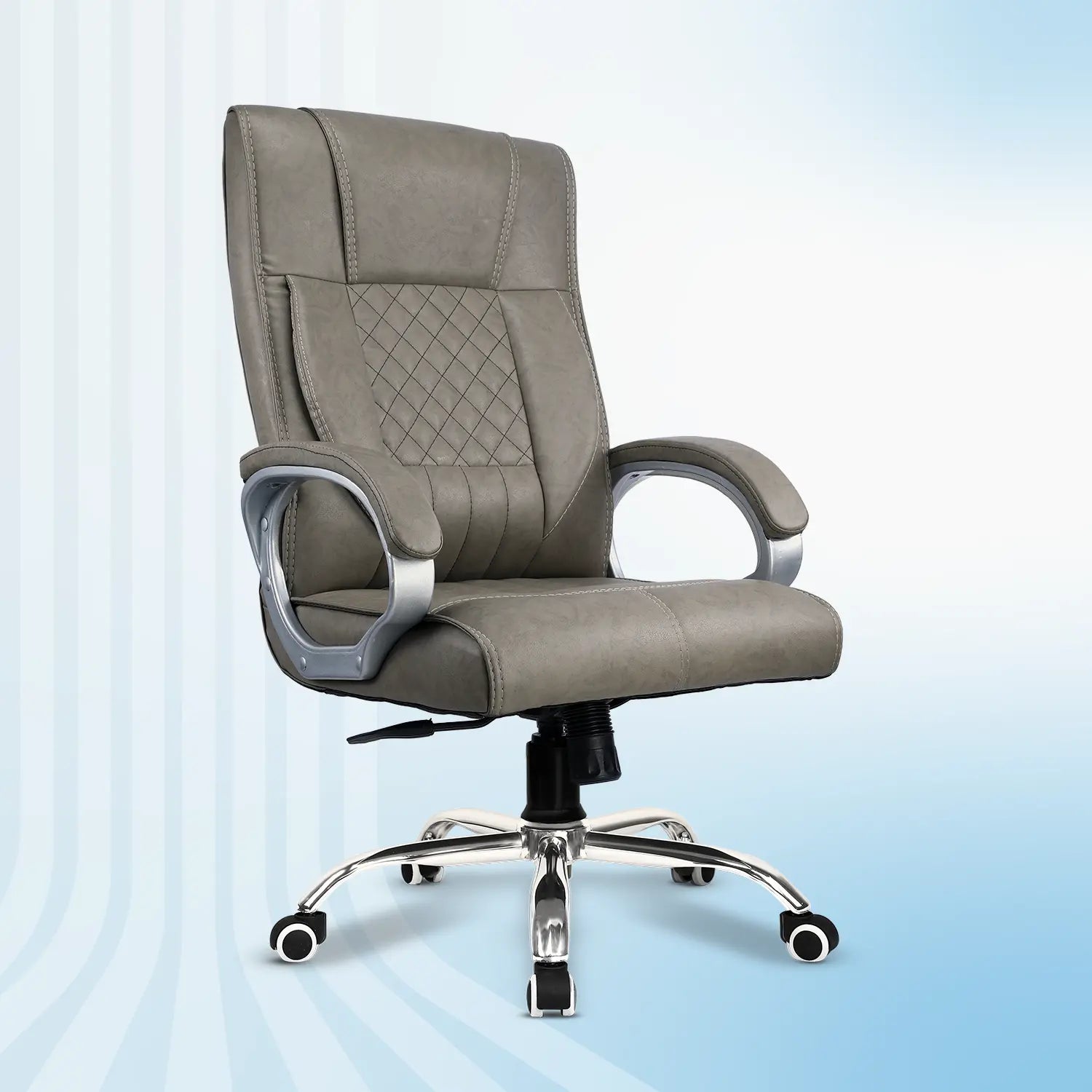
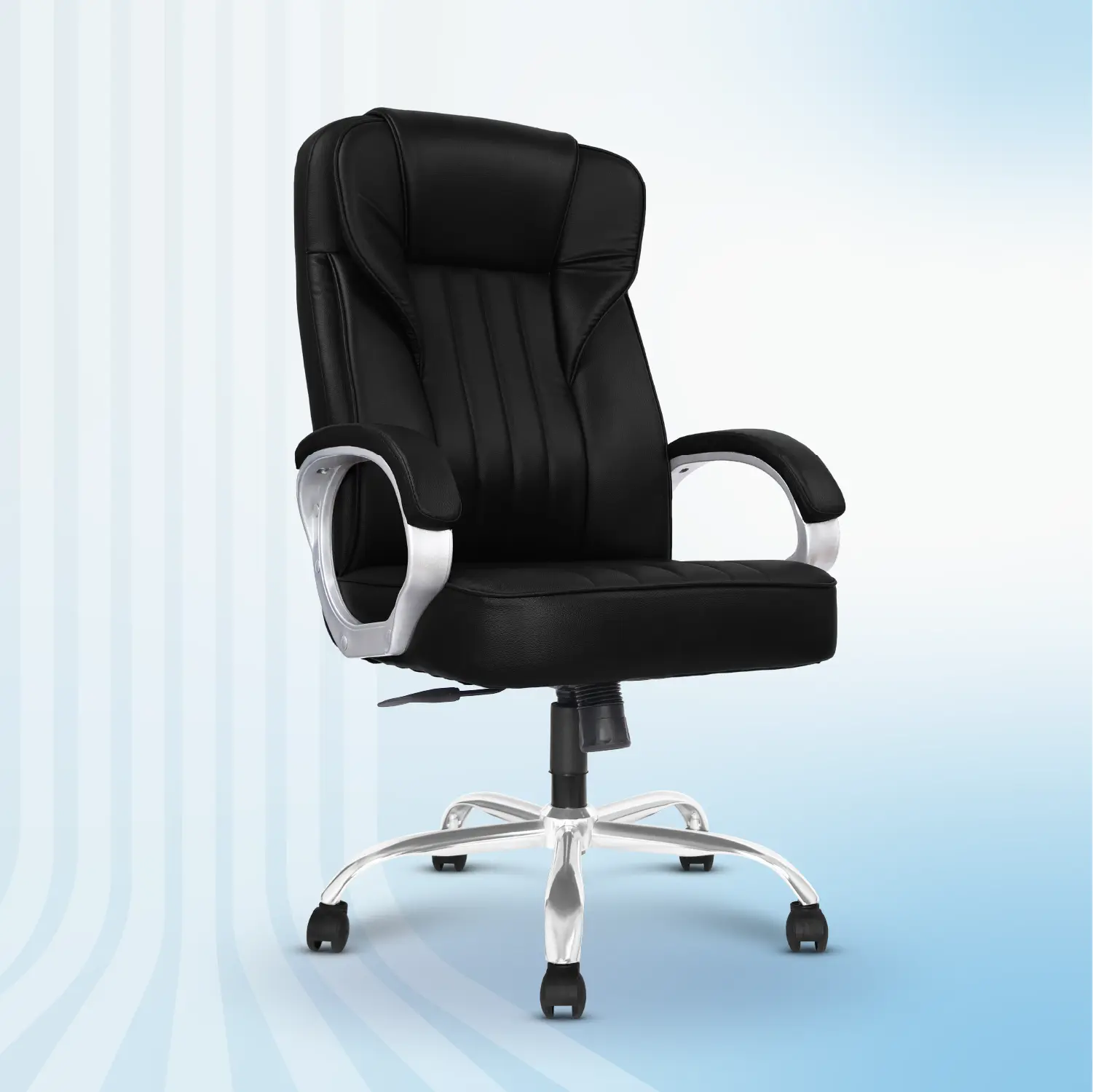
- Sit right with Ergonomic Chair.
Many people find that when movement and sitting habits improve together, daily discomfort reduces naturally.
When to Be Careful With Exercises
Stop and seek guidance if you experience:
-
Sharp or sudden pain
-
Pain that worsens during movement
-
Numbness or tingling in the legs
Exercises should feel gentle and supportive, never painful.
Final Thoughts
Lower back pain doesn’t always need drastic solutions. For many people, especially those dealing with back pain from sitting or working from home, small daily movements make a big difference over time.
By adding simple exercises for lower back pain into your routine - even for a few minutes a day - you support your body’s natural need for movement and flexibility.
Consistency matters more than intensity. Move gently, move often, and listen to your body.
FAQs
1. Are simple exercises enough for lower back pain?
For mild discomfort caused by stiffness or long sitting hours, gentle exercises can help improve mobility and comfort over time.
2. Can I do these exercises every day?
Yes, these movements are generally safe for daily practice if done gently and without pain.
3. Do I still need good sitting habits if I exercise?
Yes. Exercises work best when combined with healthy sitting habits and regular movement breaks.
4. Are these exercises suitable for work-from-home users?
Yes. These exercises are especially helpful for people experiencing lower back pain from long hours of sitting at home.

