


Have you ever searched for an office chair online only to find hundreds of options that all look similar? Mesh chairs, executive chairs, ergonomic chairs, task chairs, gaming chairs, high-back chairs and the choices can quickly become overwhelming.
The truth is, not every office chair is designed for the same purpose. A chair that's ideal for a corporate office may not be the best fit for your home workspace, and a chair designed for occasional use may fall short if you spend eight or more hours at your desk each day.
According to industry reports, office professionals spend an average of 6 to 9 hours sitting every day, making the office chair one of the most frequently used pieces of furniture in any workspace. Choosing the right type of chair can improve comfort, support better posture, and create a more productive work environment.
In this guide, we'll explore the different types of office chairs, their key features, who they're best suited for, and how to choose the right one based on your work style and workspace.
Why Are There So Many Types of Office Chairs?
Many people assume all office chairs are essentially the same, but each type is designed with a specific purpose in mind.
Some prioritize flexibility for collaborative work, others focus on executive aesthetics, while ergonomic chairs are built with adjustable features to support comfort during extended periods of sitting.
The right office chair depends on several factors, including:
- Daily sitting hours
- Nature of your work
- Workspace size
- Preferred seating position
- Level of adjustability required
- Budget
Understanding these differences helps you make a more informed purchase instead of choosing a chair based only on appearance or price.
Different Types of Office Chairs
Not all office chairs are designed for the same purpose. While they may look similar at first glance, each type offers unique features suited to different work environments, sitting habits, and comfort preferences.
Whether you're setting up a home office, furnishing a corporate workspace, or looking for a chair for long working hours, understanding the different types of office chairs will help you make an informed decision.
Let's explore the most popular types of office chairs and find out which one is right for you.
Ergonomic Office Chair
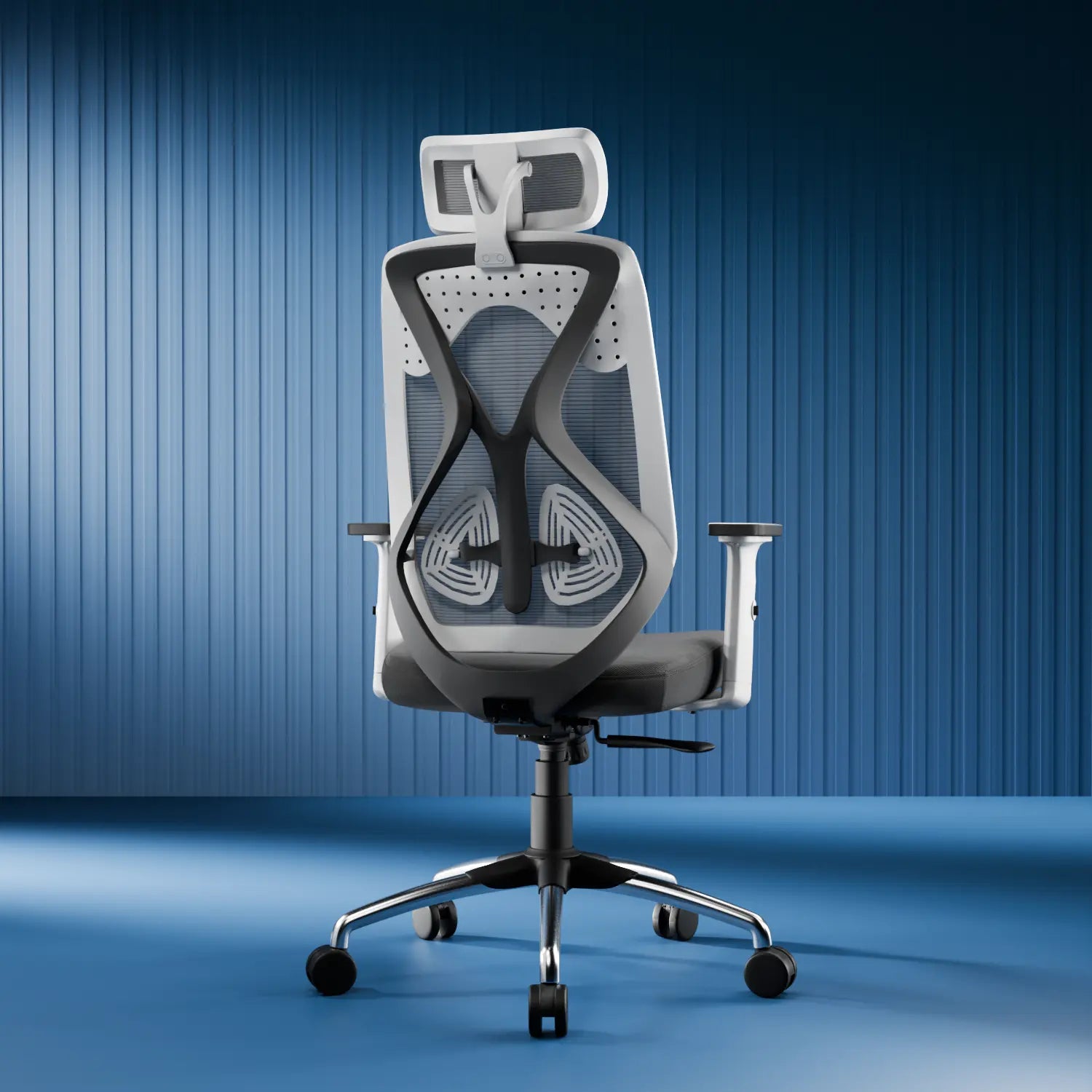
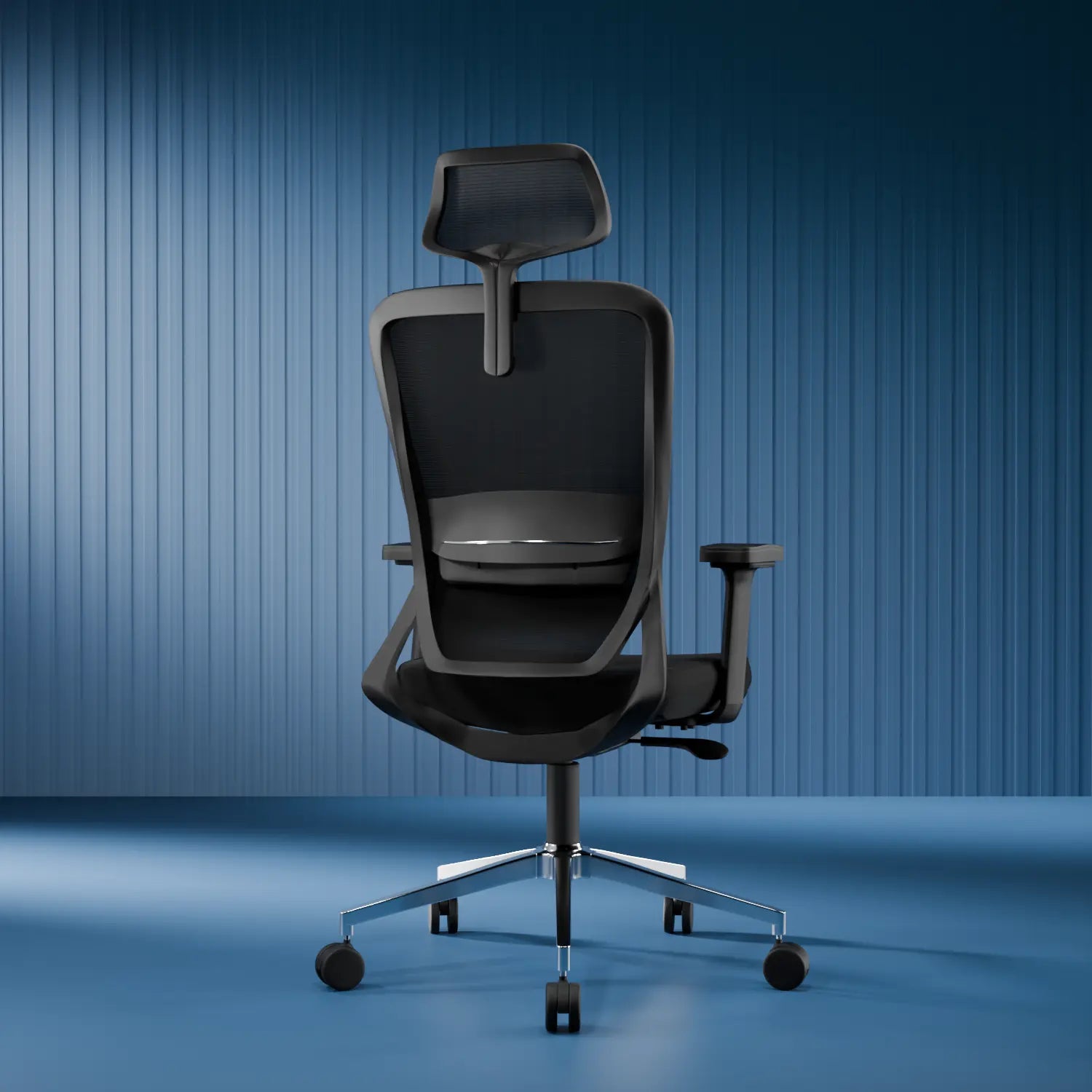
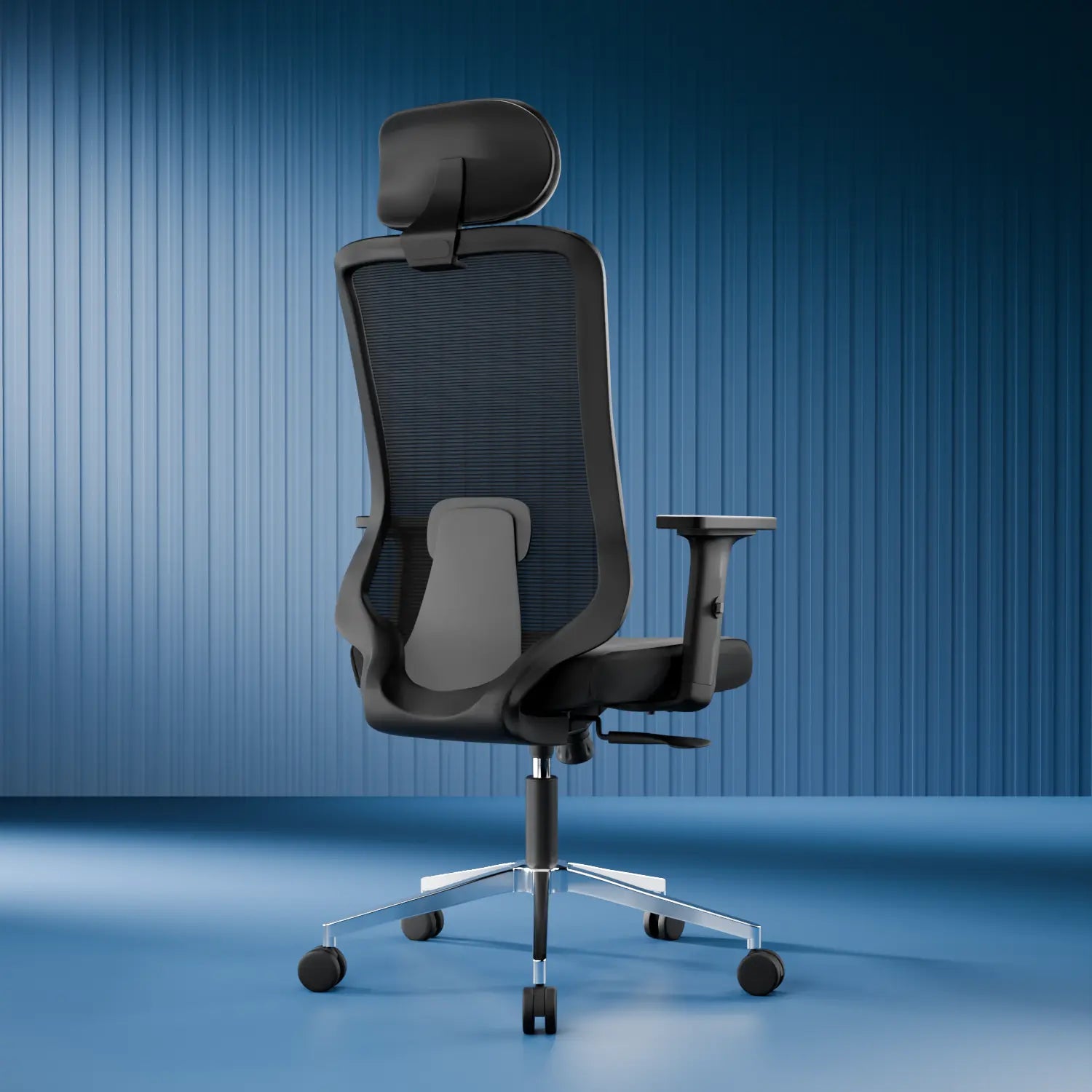
An ergonomic office chair is specifically designed to provide personalized support and comfort during prolonged sitting. Unlike standard office chairs, ergonomic chairs feature multiple adjustable components that allow users to customize the chair according to their body shape, sitting posture, and workspace. If you spend 6–10 hours at your desk every day, an ergonomic office chair is often the most suitable choice because it adapts to you rather than forcing your body into a fixed seating position.
Adjustable Lumbar Support - One of the most important features of an ergonomic office chair is lumbar support, which is designed to support the natural curve of your lower back.
Many ergonomic chairs offer:
- Adjustable lumbar support
- Cushioned lumbar support for enhanced comfort
- Height-adjustable lumbar support
- Fixed lumbar support on entry-level models
Choosing the right type depends on your comfort preference and daily sitting habits.
Adjustable Headrest - An adjustable headrest provides additional support for the neck and upper shoulders, especially while reclining or taking short breaks between work sessions. The ability to adjust both the height and angle allows users to position it comfortably according to their height.
Adjustable Armrests - Armrests help support your forearms while typing or using a mouse, reducing unnecessary strain on your shoulders.
Premium ergonomic chairs often include adjustable armrests that can move:
- Up and down (Height)
- Forward and backward (Depth)
- Side to side (Width)
- Inward and outward (Angle)
This flexibility helps create a more personalized seating experience.
Seat Depth Adjustment - Everyone has different leg lengths, which is why seat depth matters. A seat that's too short may not provide enough thigh support, while one that's too deep can make it difficult to sit comfortably.
Seat depth adjustment allows users to position the seat for better overall comfort.
Reclining Mechanism - Modern ergonomic chairs allow the backrest to recline naturally with your body. Many premium chairs include multiple recline lock positions, allowing you to lock the chair at different angles for working, reading, relaxing, or taking a short break. This added flexibility makes long working hours more comfortable.
Executive Office Chair
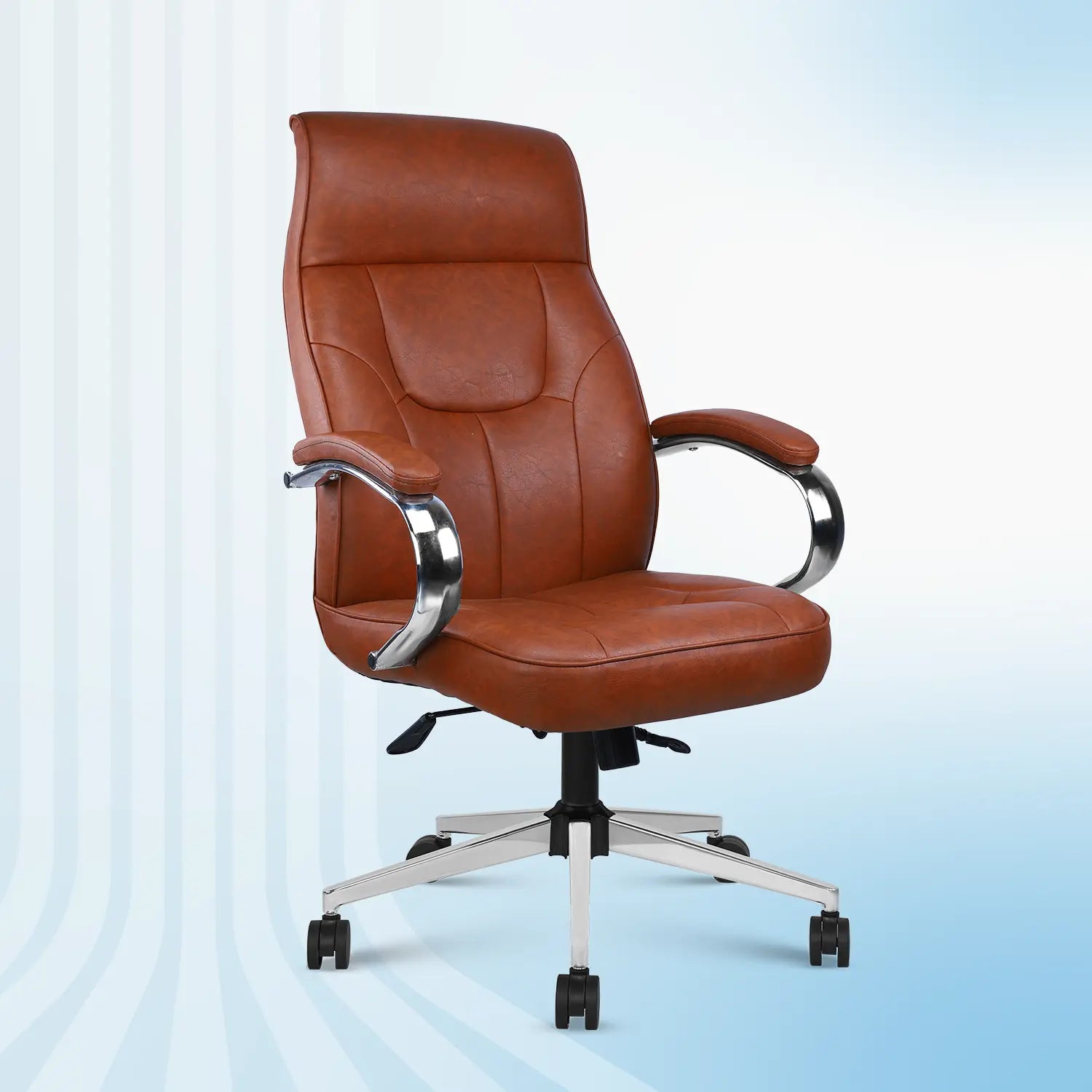
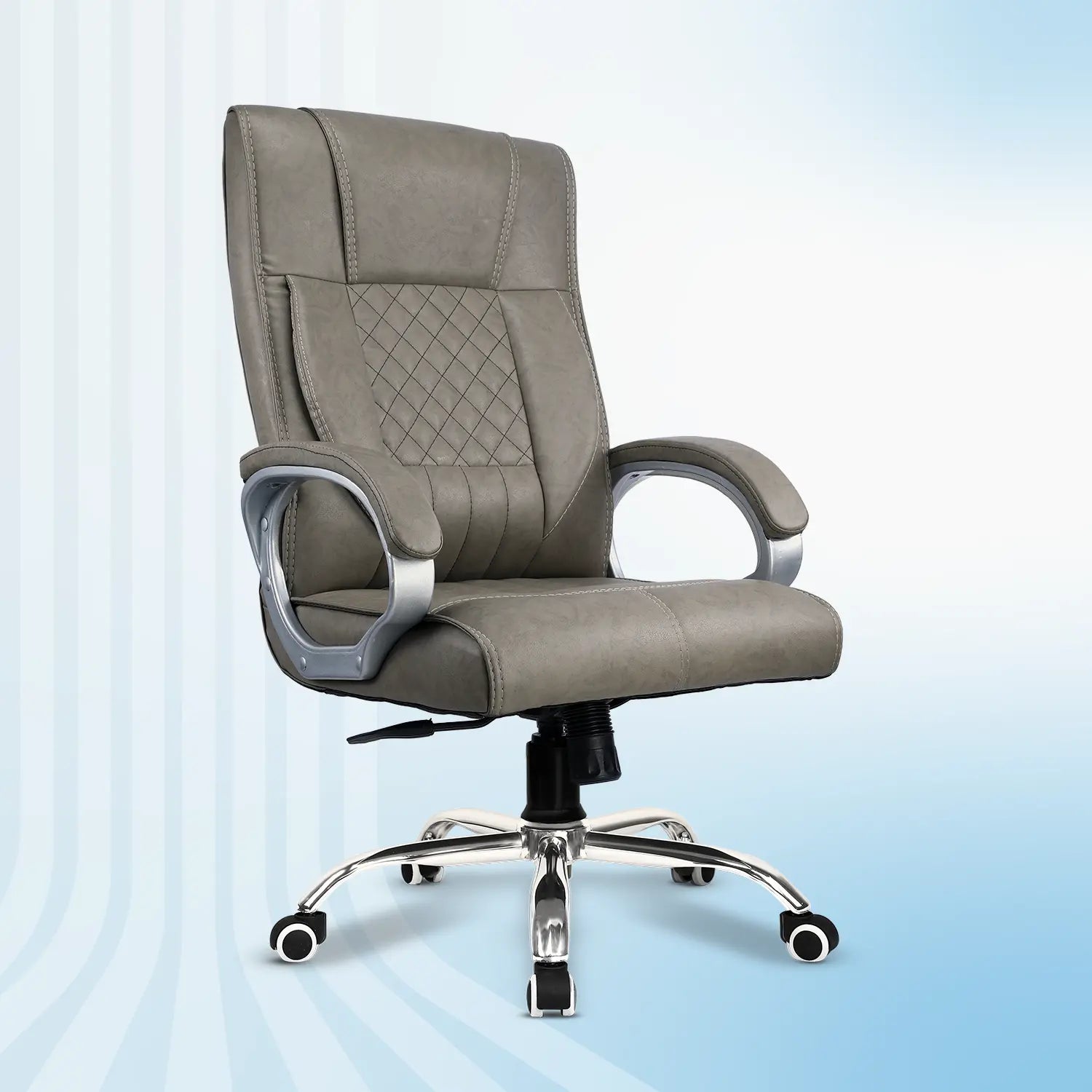
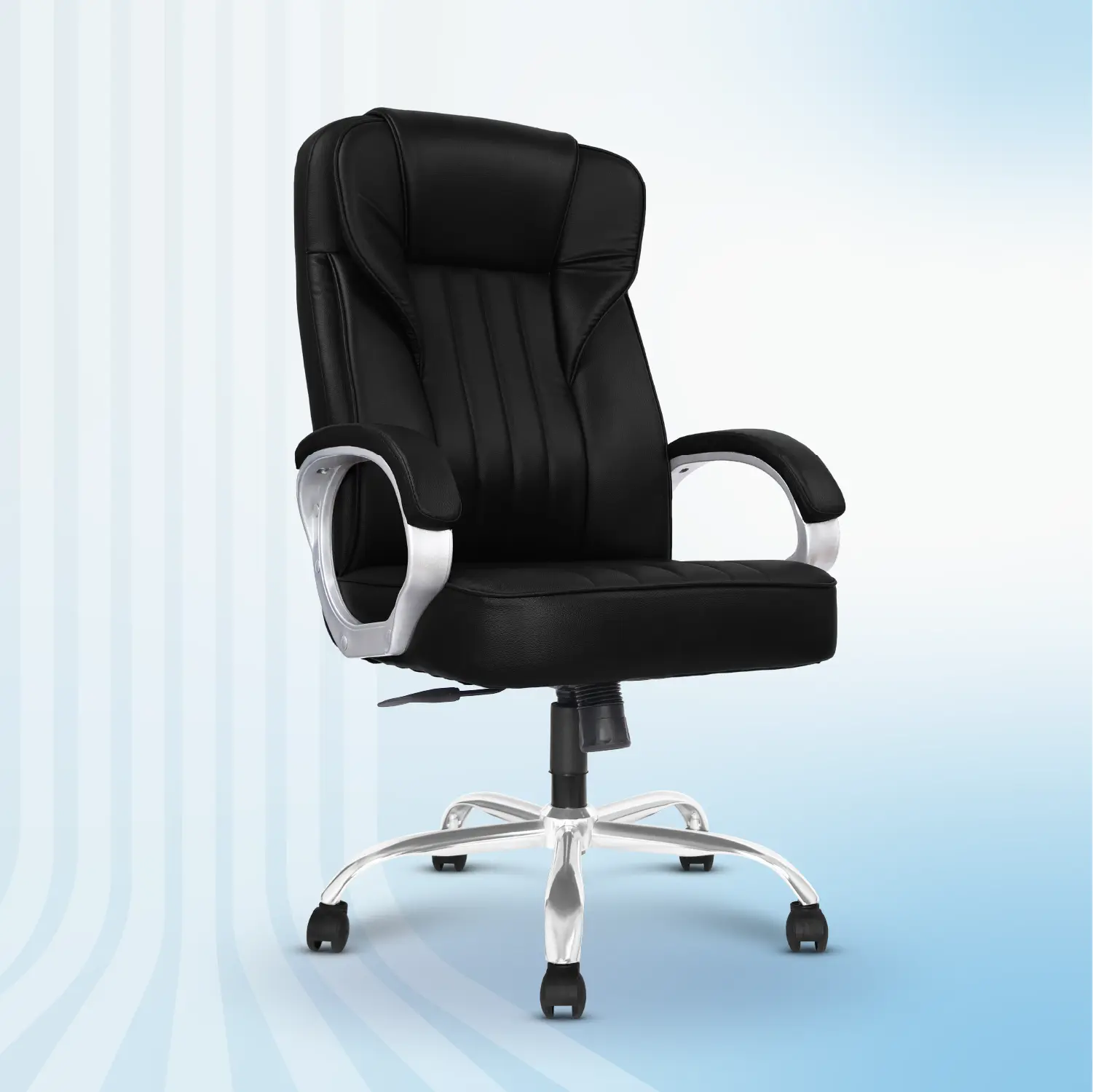
Executive office chairs are designed to create a premium and professional appearance while offering spacious seating and enhanced comfort.
These chairs typically feature a high-back design, wider seats, padded armrests, and premium upholstery such as leather, faux leather, or high-quality fabric. They are commonly used in executive cabins, boardrooms, and leadership offices where both comfort and aesthetics are important.
Although executive chairs offer a luxurious feel, they usually have fewer ergonomic adjustments than dedicated ergonomic office chairs.
Best For -
- Business owners
- Senior managers
- Executive cabins
- Boardrooms
Mesh Office Chair
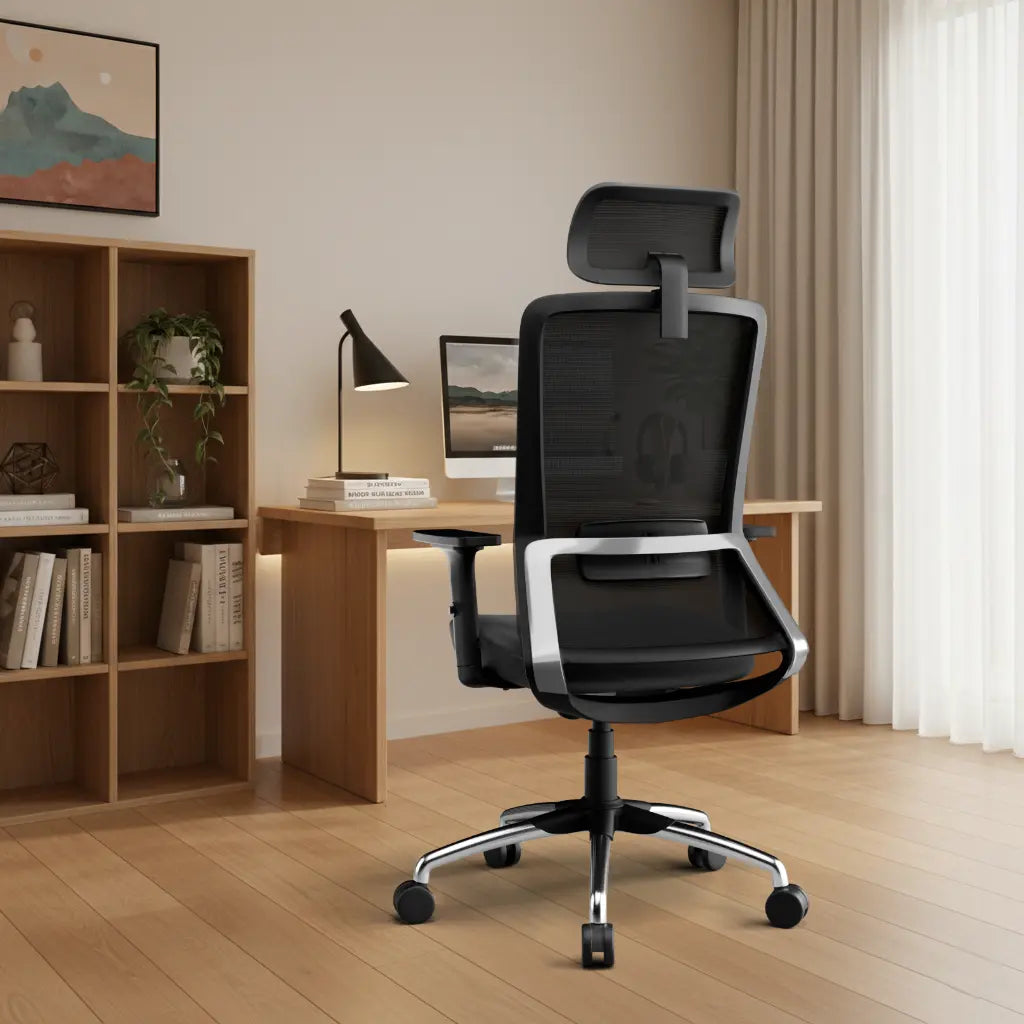
A mesh office chair is one of the most popular choices for modern workplaces due to its breathable backrest and lightweight design. Unlike fully upholstered chairs, a mesh back allows continuous airflow, helping users stay cooler and more comfortable during long working hours, especially in warmer climates.
Many ergonomic office chairs also feature premium mesh backs, combining breathability with adjustable ergonomic support.
 Best For -
- Work-from-home professionals
- Corporate offices
- Warm climates
- Long sitting hours
Task Chair
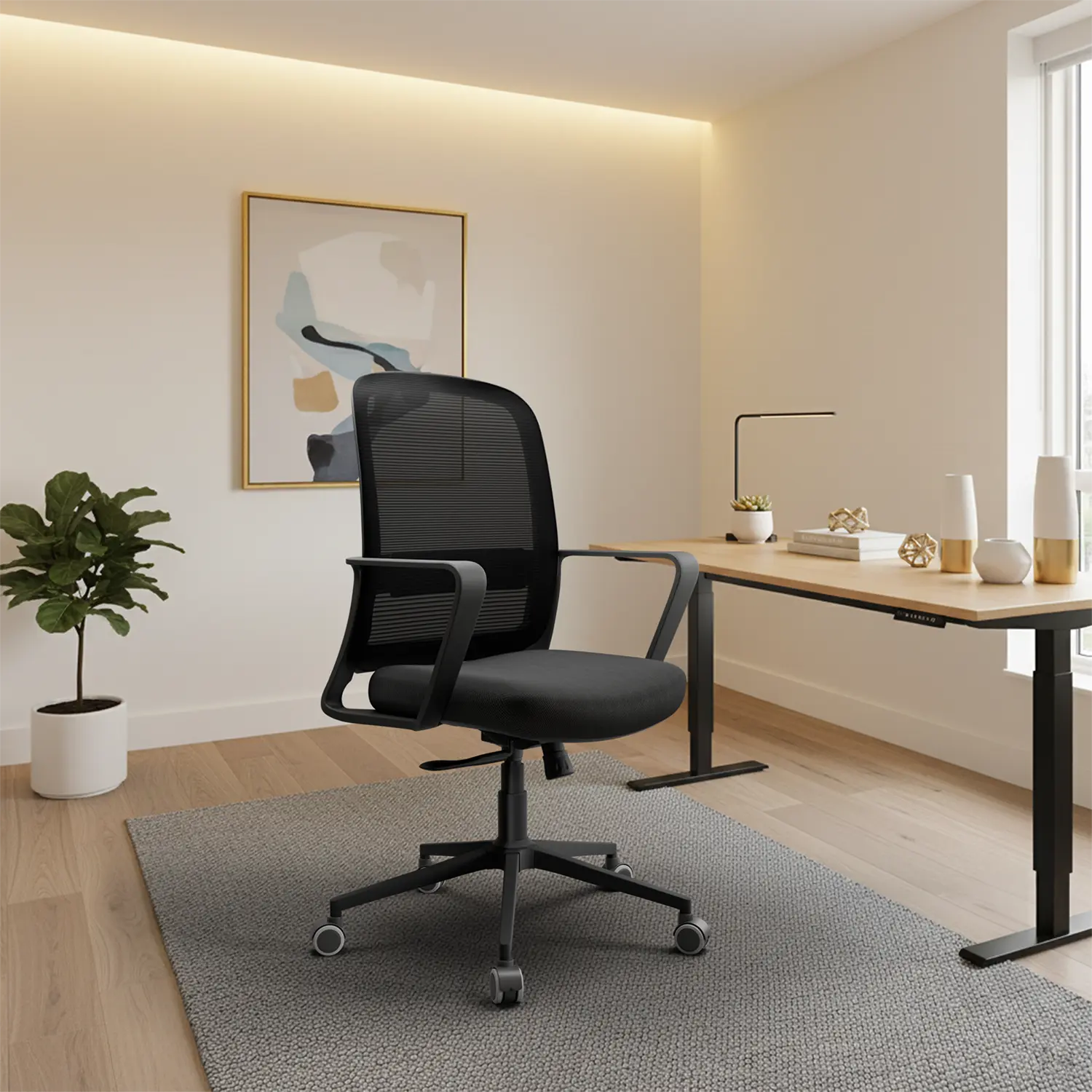
Task chairs are compact, practical, and designed for short to moderate periods of sitting. They generally include basic adjustments such as seat height and swivel functionality, making them suitable for everyday office tasks without the advanced features of ergonomic chairs.
Task chairs are often used in shared workspaces, reception areas, study rooms, and small offices.
Best For -
- Students
- Reception desks
- Small offices
- Temporary workstations
- Short-duration desk work
Mid-Back Office Chair
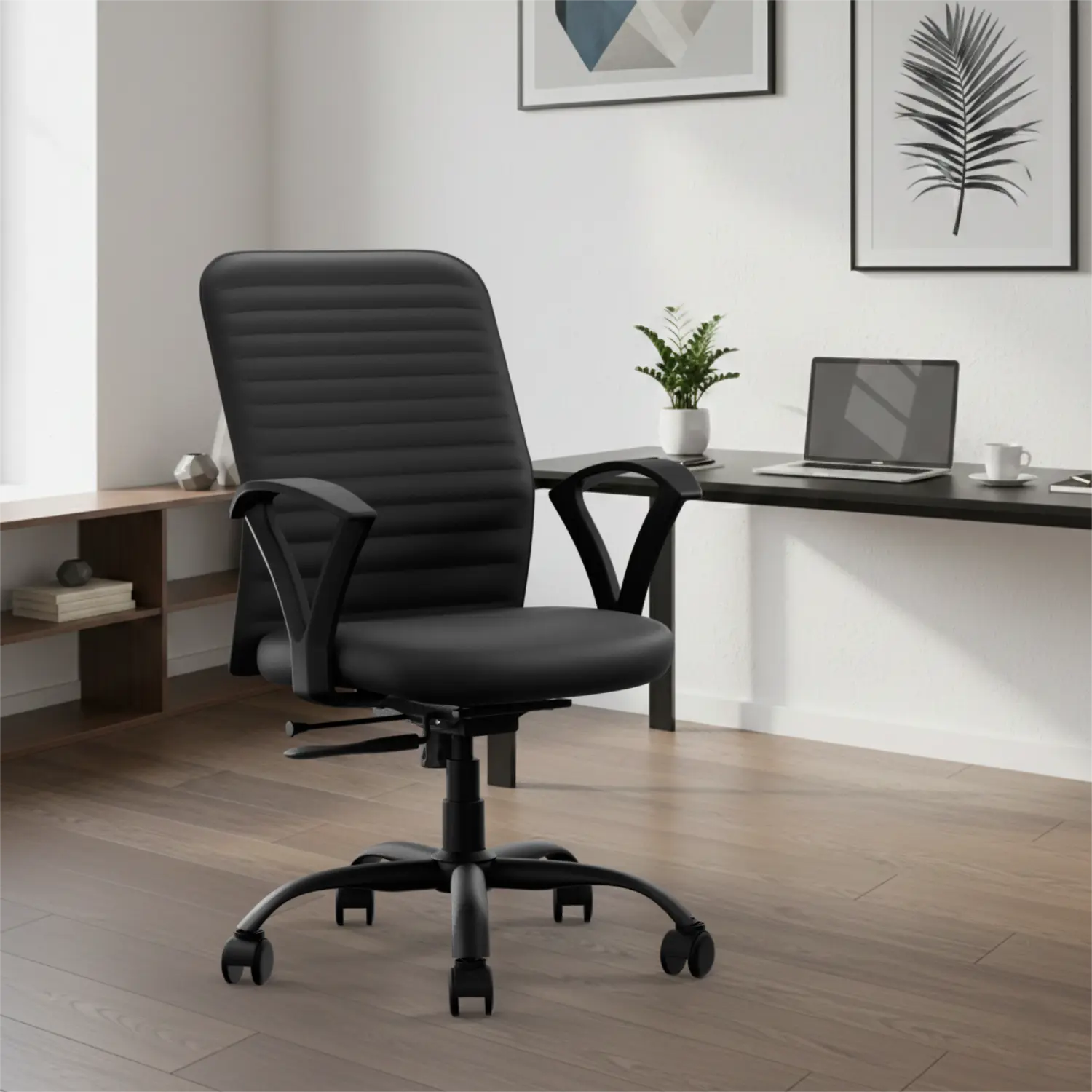
Mid-back office chairs support the lower and middle back while offering a more compact design than high-back models. They are ideal for everyday office use where users don't require extensive neck support or have limited workspace.
Key Features -
- Compact design
- Comfortable lower back support
- Lightweight
- Space-saving
Best For -
- Daily office work
- Smaller workspaces
- Meeting rooms
- Home offices
Visitor Chair
Visitor chairs are designed for guests, clients, and waiting areas rather than prolonged desk work. These chairs prioritize comfort for shorter seating durations while maintaining a professional appearance.
 Key Features -
- Fixed design
- Comfortable seating
- Professional appearance
- Easy maintenance
Best For -
- Reception areas
- Waiting lounges
- Visitor seating
- Client meeting spaces
Conference Chair
Conference chairs are specifically designed for meeting rooms and collaborative workspaces. They balance comfort with mobility, allowing participants to remain comfortable throughout presentations and discussions.
Key Features -
-
Professional design
-
Moderate cushioning
-
Easy movement
-
Compact footprint
 Best For -
-
Conference rooms
-
Meeting spaces
-
Training rooms
-
Boardrooms
Gaming Chair
Gaming chairs are designed primarily for gaming enthusiasts and feature bold styling, racing-inspired designs, and thick padding.
While they often include adjustable features such as reclining backrests and headrest pillows, they differ from ergonomic office chairs in their primary focus. Gaming chairs emphasize immersive seating and aesthetics, whereas ergonomic office chairs prioritize workplace comfort, adjustability, and support for extended desk work.
Gaming Chair vs Ergonomic Chair
|
Feature |
Gaming Chair |
Ergonomic Office Chair |
|
Primary Purpose |
Gaming |
Office & Professional Work |
|
Design |
Racing Style |
Professional & Minimal |
|
Breathability |
Often PU Leather |
Mesh or Fabric Options |
|
Adjustability |
Moderate |
Extensive Ergonomic Adjustments |
|
Best For |
Gamers |
Long Working Hours |
How to Choose the Right Office Chair
An office chair is more than just another piece of furniture—it's an investment in your daily comfort and productivity. Since you'll likely spend several hours sitting in it every day, choosing the right chair can make a significant difference over time.
Before making your decision, consider these key factors:
1. Daily Sitting Hours - Choose a chair based on how long you'll be using it.
|
Daily Sitting Time |
Recommended Chair |
|
1–3 Hours |
Task Chair |
|
3–6 Hours |
Mesh or Mid-Back Chair |
|
6–10+ Hours |
Ergonomic Office Chair |
2. Ergonomic Features - Look for essential adjustments like lumbar support, armrests, headrest, seat height, and recline to personalize your seating experience.
3. Chair Material -
-
Mesh: Breathable and ideal for long hours.
-
Fabric: Soft and comfortable for everyday use.
-
Leather/Faux Leather: Premium appearance with plush cushioning.
4. Workspace & Usage - Consider where the chair will be used. A home office, executive cabin, meeting room, or reception area may each require a different type of office chair.
5. Build Quality & Warranty - A durable frame, quality components, and a reliable warranty help ensure your chair delivers lasting value for years to come.
 Quick Tip: Instead of choosing the cheapest or most stylish chair, invest in one that matches your work style, sitting hours, and comfort needs. The right office chair can be a worthwhile investment you'll appreciate every working day.
Common Mistakes to Avoid When Buying an Office Chair
Buying an office chair is a long-term decision, yet many people make their choice based on price or appearance alone. Avoid these common mistakes to ensure you choose a chair that offers lasting comfort, durability, and value.
❌ Choosing the Wrong Chair for Your Needs - Not every office chair is designed for the same purpose. A task chair may work well for short periods, but if you spend 8–10 hours at your desk, an ergonomic office chair is a more suitable choice. Always match the chair to your daily work routine.
❌ Prioritizing Style Over Comfort - A chair may look modern or luxurious, but appearance doesn't guarantee comfort. Before making a decision, evaluate the chair's support, adjustability, and overall build quality.
❌ Ignoring Ergonomic Features - Features such as adjustable lumbar support, armrests, headrest, seat height, and reclining mechanisms help you customize the chair to your body. Overlooking these adjustments can limit comfort, especially during extended work sessions.
❌ Not Checking the Chair's Size - An office chair should fit both your body and your workspace. Check the seat dimensions, backrest height, weight capacity, and overall chair size to ensure it's the right fit before purchasing.
❌ Focusing Only on the Price - The cheapest chair may save money upfront but can compromise on materials, durability, and adjustability. Instead of looking at the purchase price alone, consider the long-term value and quality of the chair.
❌ Overlooking Warranty and After-Sales Support - A good warranty and reliable customer support are just as important as the chair itself. They provide confidence in the product's quality and ensure assistance if you need replacement parts or service in the future.
 Quick Tip: The best office chair isn't necessarily the most expensive—it's the one that suits your work style, provides the right level of support, and delivers lasting comfort for years to come.
Final Thoughts
Every office chair serves a different purpose, and the right choice depends on how you work, how long you sit, and the features that matter most to you. While task chairs, executive chairs, mesh chairs, and conference chairs each have their own advantages, professionals who spend long hours at a desk often benefit from an ergonomic office chair with adjustable support and breathable materials.
Instead of selecting a chair based only on appearance or price, consider its adjustability, build quality, comfort, and suitability for your workspace. A well-chosen office chair can enhance your everyday work experience and continue to meet your needs as they evolve.
Taking the time to understand the different types of office chairs will help you invest in a chair that supports your work style, complements your workspace, and delivers lasting value.
Find the Right Office Chair for Your Workspace
The right office chair should do more than complete your workspace—it should support the way you work every day. Whether you're setting up a home office, upgrading your corporate workspace, or looking for a chair designed for long working hours, choosing the right chair starts with understanding your needs.
Explore Vergo's range of ergonomic office chairs, thoughtfully designed with breathable mesh backs, adjustable lumbar support, multi-position recline, customizable armrests, premium build quality, and ergonomic features that adapt to you and not the other way around.
FAQ -
1. How long should an office chair last?
A high-quality office chair can typically last several years with regular use, depending on its materials, build quality, and maintenance.
2.Can I use an ergonomic chair while working from home?
Absolutely. Ergonomic office chairs are an excellent choice for home offices because they offer adjustable comfort for extended work sessions.
3.Which office chair is best for a home office?
An ergonomic mesh office chair with adjustable lumbar support, headrest, and armrests is a versatile option for most home office setups.
4. Which is better: a mesh office chair or a leather office chair?
Mesh chairs offer excellent breathability and are ideal for warmer climates, whereas leather chairs provide a premium appearance and plush cushioning.
5. High-back vs mid-back office chair, which should I choose?
A high-back chair offers additional neck and upper-back support, making it suitable for long hours, while a mid-back chair is compact and ideal for everyday office tasks.