


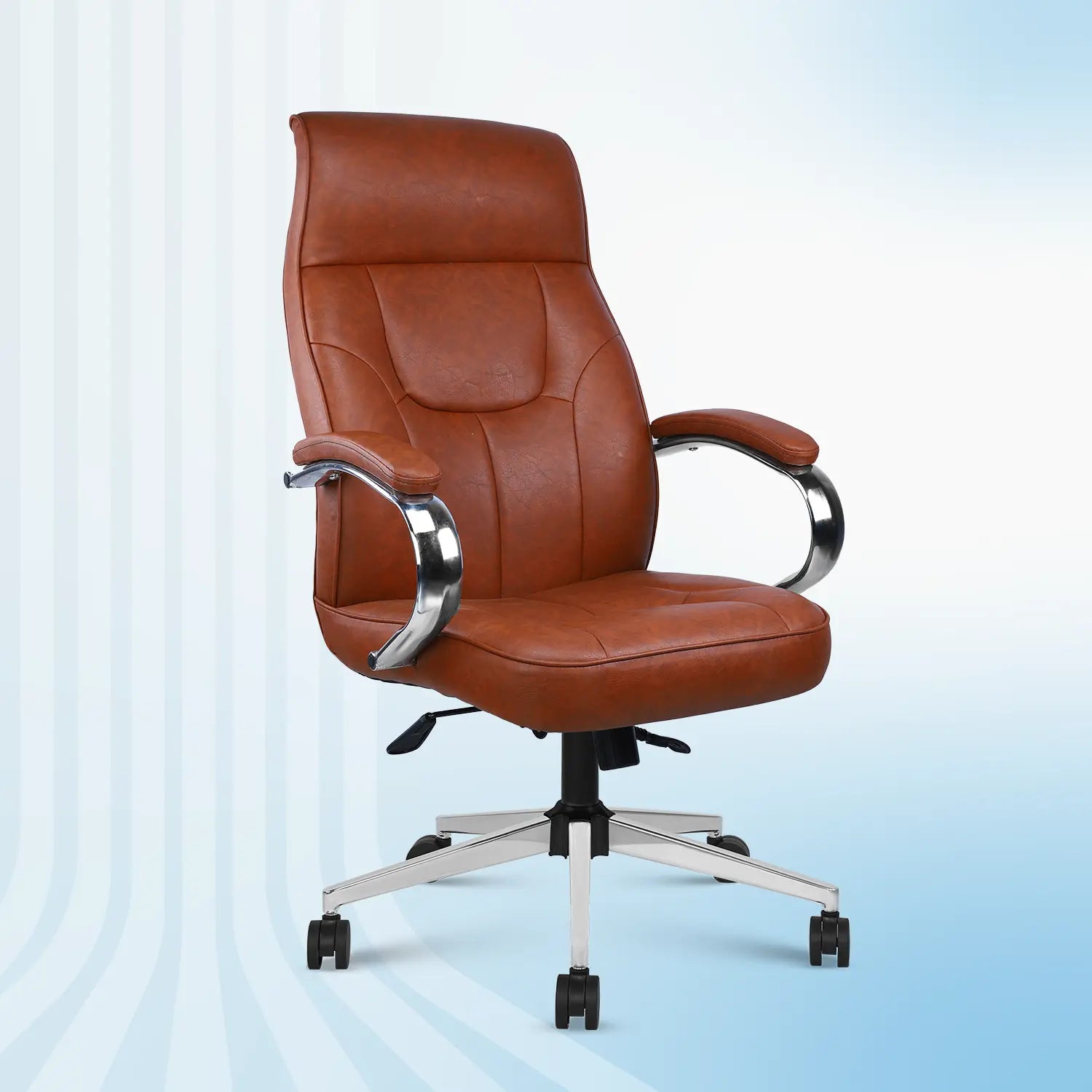
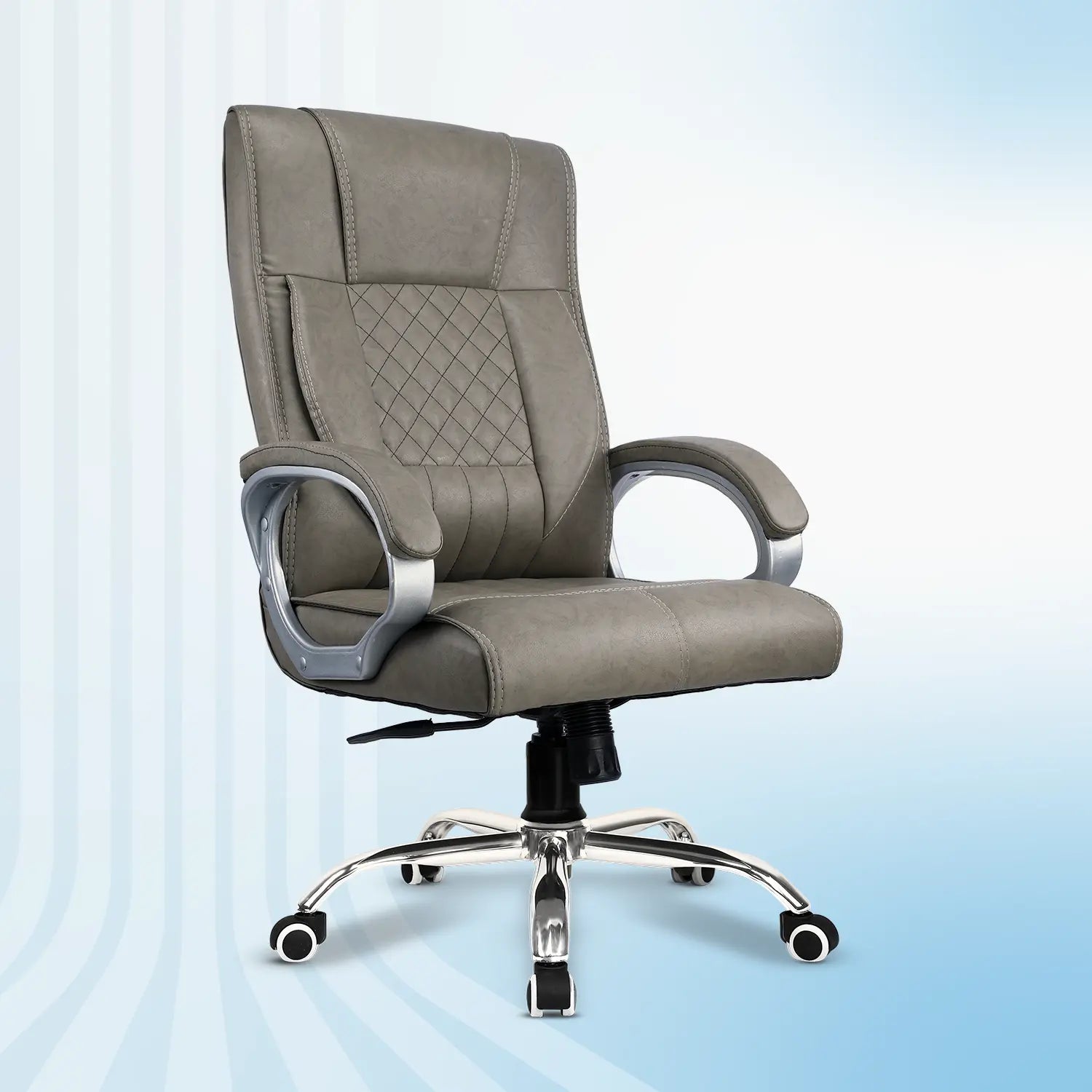
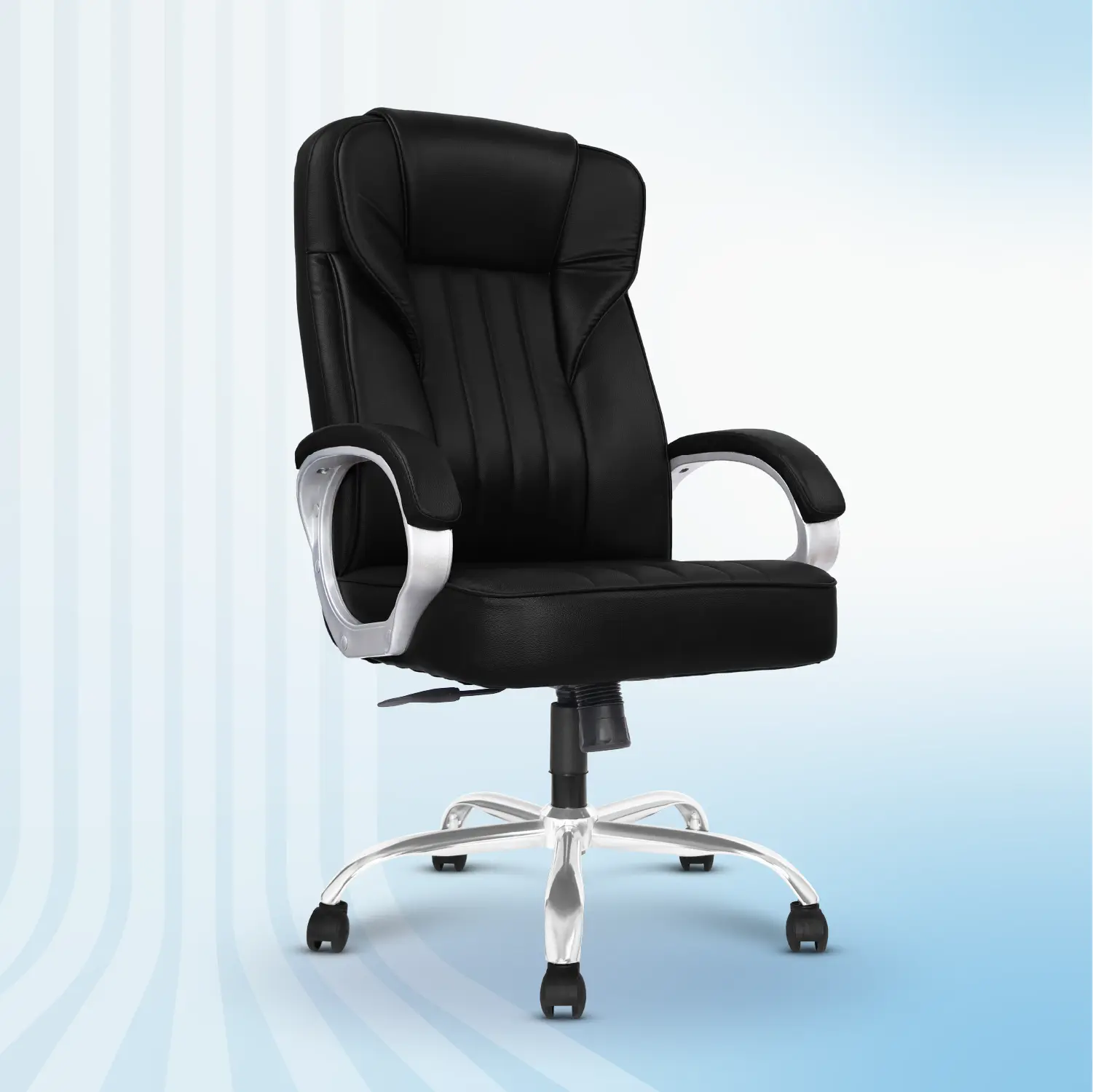

Most of us don't think about the way we sit, until we start feeling uncomfortable after spending hours at our desk or behind the wheel. That's when many people begin searching for solutions like lumbar support cushions, coccyx cushions, Orthopedic Pillows only to realize that each one is designed for a different purpose.
According to the World Health Organization (WHO), musculoskeletal conditions affect approximately 1.71 billion people worldwide, making them one of the leading causes of disability. Additionally, workplace ergonomics research highlights that prolonged sitting and poorly designed workstations may contribute to discomfort over time. While orthopedic cushions are not a medical treatment, they are designed to improve comfort, support posture, and distribute pressure more evenly when paired with a well-designed seating setup.
Choosing the right orthopedic cushion isn't about buying the most popular option and it's about understanding what your body needs and selecting a cushion that provides the right support.
In this guide, we'll break down the different types of orthopedic cushions, explain their benefits, and help you decide which one is best suited for your workspace, home, or car.
Why Orthopedic Cushions Are Becoming Essential
Modern lifestyles involve more sitting than ever before.
Whether you're answering emails, attending virtual meetings, studying, gaming, or driving, it's easy to spend 6–10 hours a day in a seated position. During prolonged sitting, pressure naturally builds around the lower back, hips, and tailbone, which can affect overall sitting comfort.
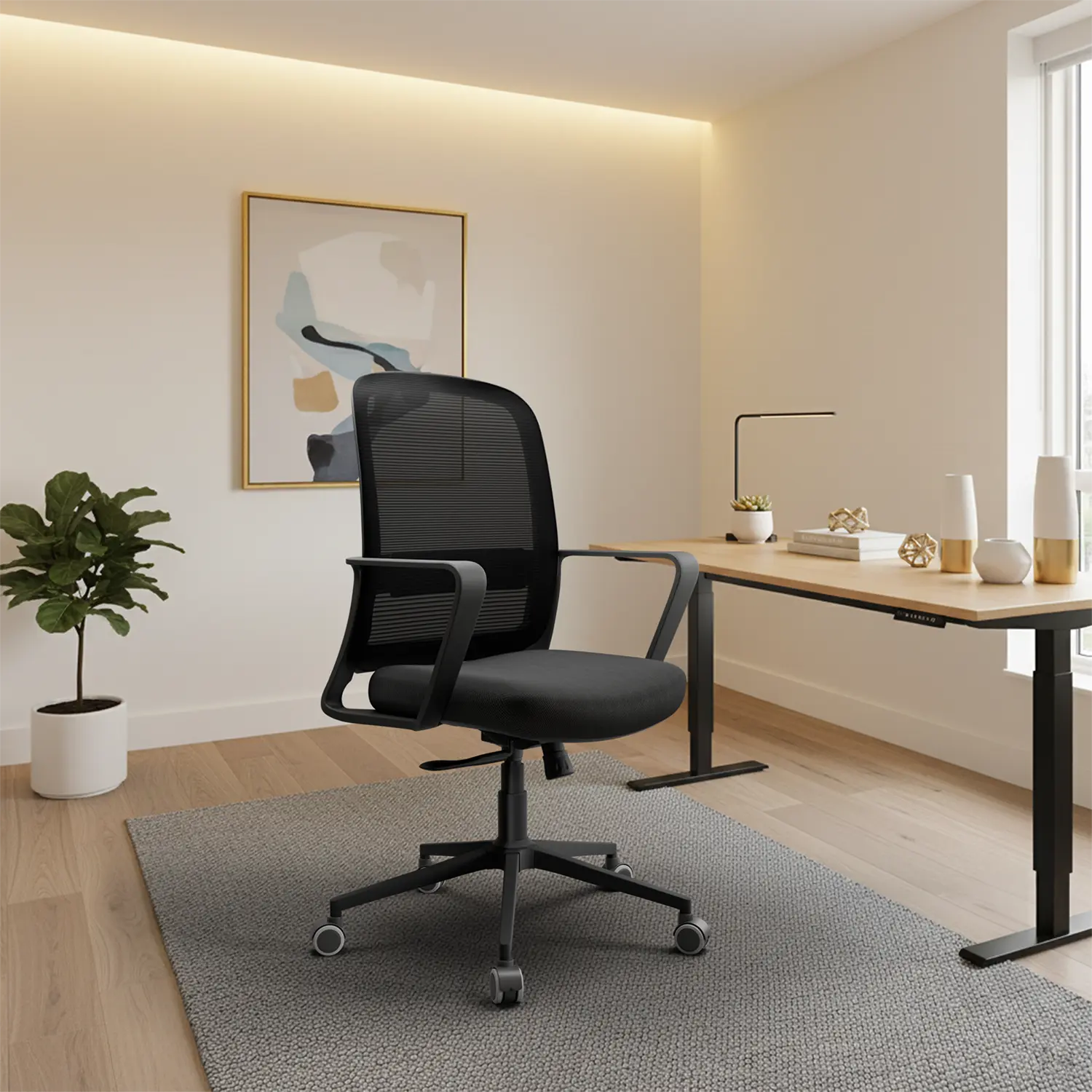
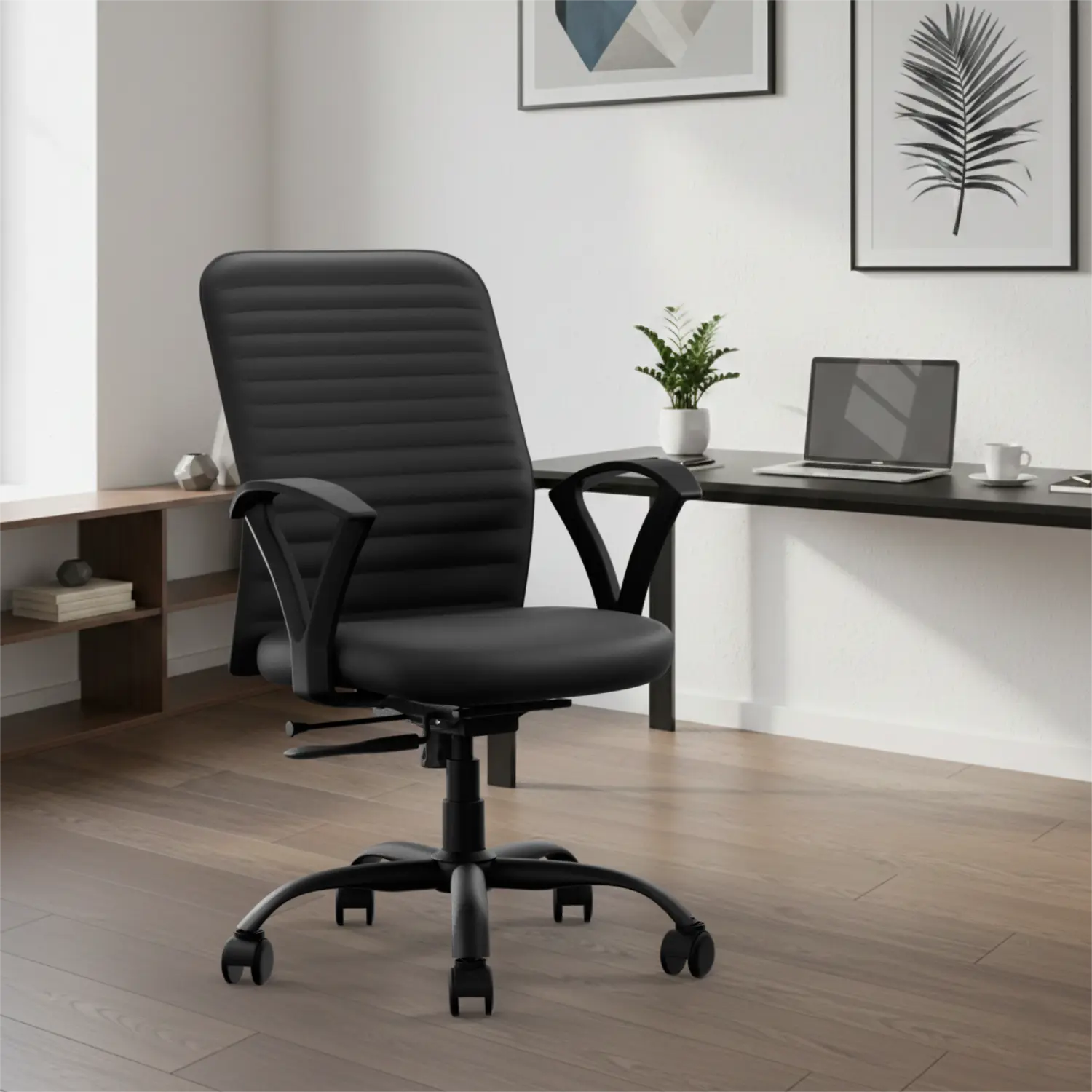
That's why many people now pair their ergonomic chairs with orthopedic cushions to create a more supportive and personalized seating experience.
An orthopedic cushion is designed to complement your chair by providing targeted support where your body needs it most. Depending on the design, it can help improve posture, distribute pressure more evenly, and make long hours of sitting feel more comfortable.
Benefits of Using an Orthopedic Cushion
The right orthopedic cushion can offer several everyday benefits:
-
Encourages better sitting posture
-
Supports natural spinal alignment
-
Distributes body weight more evenly
-
Improves comfort during prolonged sitting
-
Complements ergonomic office chairs
- Suitable for home, office, and car use
- Portable and easy to carry
Pro Tip: An orthopedic cushion works best when used alongside an ergonomic chair and a well-designed workstation. Together, they create a seating setup that supports better posture and everyday comfort.
What Is an Orthopedic Cushion?
An orthopedic cushion is a specially designed support cushion that helps improve comfort by supporting different parts of the body while sitting.
Unlike ordinary cushions, orthopedic cushions are typically made using high-density foam or memory foam, allowing them to adapt to your body shape while maintaining their structure over time. Each type of orthopedic cushion is designed for a specific purpose. Some focus on supporting the lower back, while others are intended to improve sitting posture or reduce pressure around the hips and tailbone.
The key is choosing a cushion that matches your seating habits and individual comfort needs.
Different Types of Orthopedic Cushions
Not every orthopedic cushion serves the same purpose.
Understanding the different types can help you select the one that best suits your daily routine.
1. Backrest Cushion (Lumbar Support Cushion)
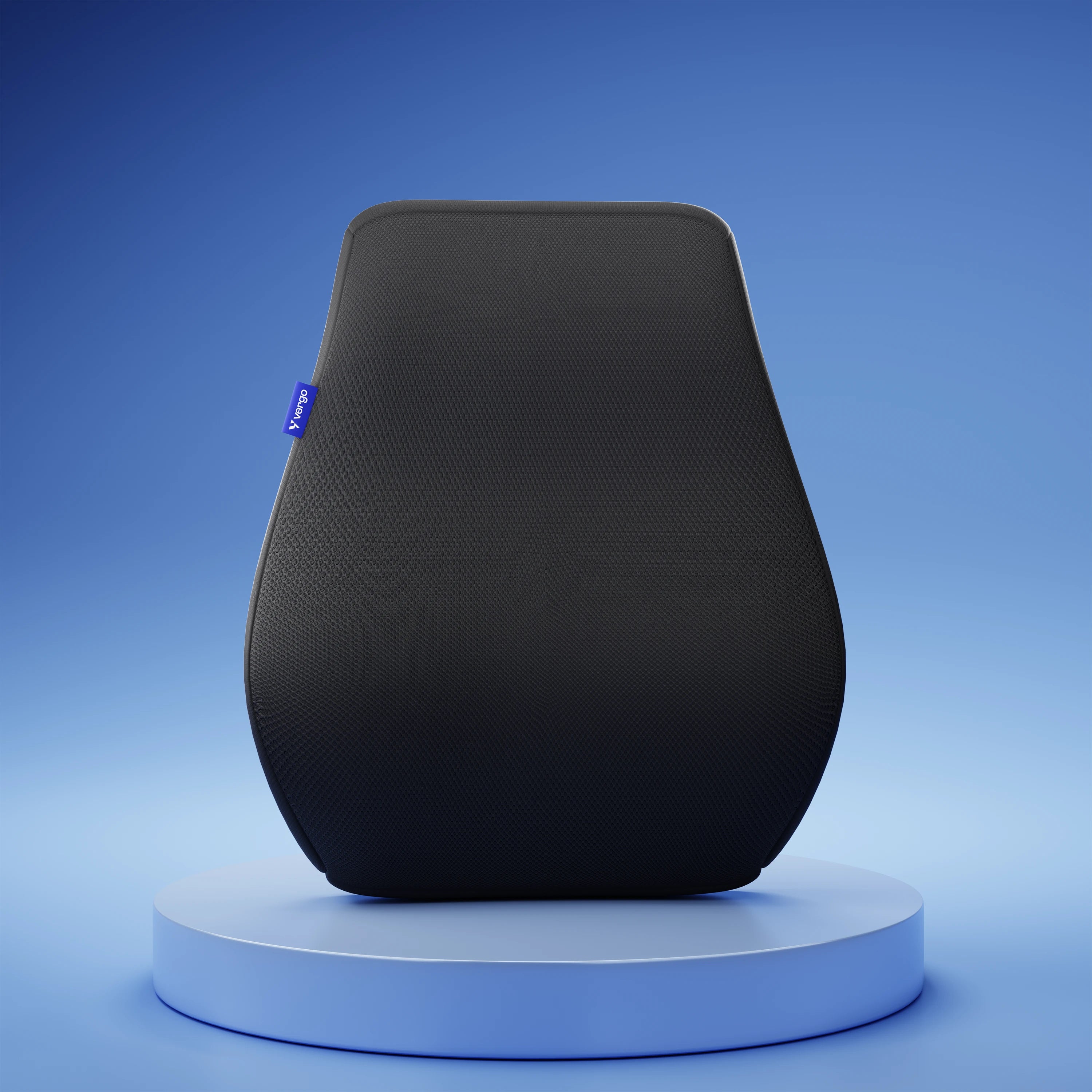
A backrest cushion, also known as a lumbar support cushion, is designed to support the natural inward curve of your lower back while sitting.
When we sit for long hours, it's common to lean forward or slouch without realizing it. Over time, this can place additional pressure on the lower back. A lumbar support cushion helps fill the gap between your back and the chair, encouraging a more upright and comfortable sitting position. Best For -
- Office professionals
- Work-from-home users
- Students
- Drivers
- Anyone who spends long hours sitting
Key Benefits-
- Supports the natural curve of the lower back
- Encourages better sitting posture
- Helps reduce slouching
- Improves comfort during prolonged sitting
- Lightweight and portable
Where Can You Use It?
- Office chairs
- Work-from-home setups
- Car seats
- Study chairs
- Dining chairs
- Wheelchairs
Who Should Consider a Backrest Cushion?
If you often feel the need to place a pillow behind your back while working or driving, a lumbar support cushion may provide a more supportive and ergonomic solution.
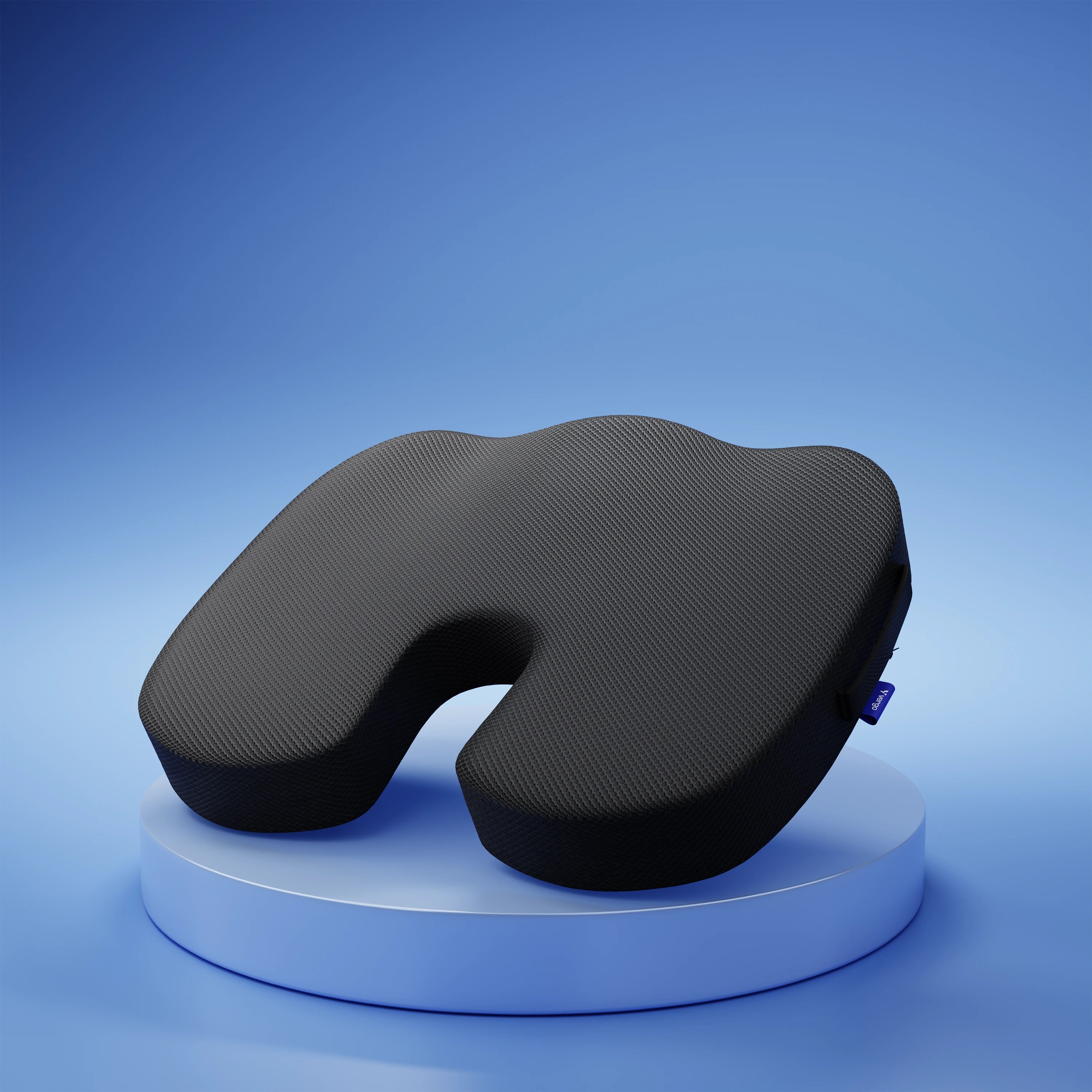
2. Coccyx Seat Cushion
The coccyx, commonly known as the tailbone, bears significant pressure while sitting—especially during long hours at a desk or behind the wheel.
A coccyx seat cushion is specially designed with a cut-out or contoured shape that helps redistribute pressure around the tailbone area, making prolonged sitting more comfortable. Its ergonomic design also promotes a more balanced sitting position by evenly distributing body weight.
Best For -
- Office workers
- Drivers
- Students
- Frequent travelers
- People who sit for extended periods
 Key Benefits -
- Helps reduce pressure around the tailbone
- Distributes body weight more evenly
- Improves overall sitting comfort
- Lightweight and portable
- Suitable for a variety of seating surfaces
Where Can You Use It?
- Office chairs
- Car seats
- Wheelchairs
- Dining chairs
- Gaming chairs
- Airplane seats
Pro Tip: If your job involves sitting for most of the day, a coccyx cushion can be paired with a lumbar support cushion to create a more comfortable seating setup.
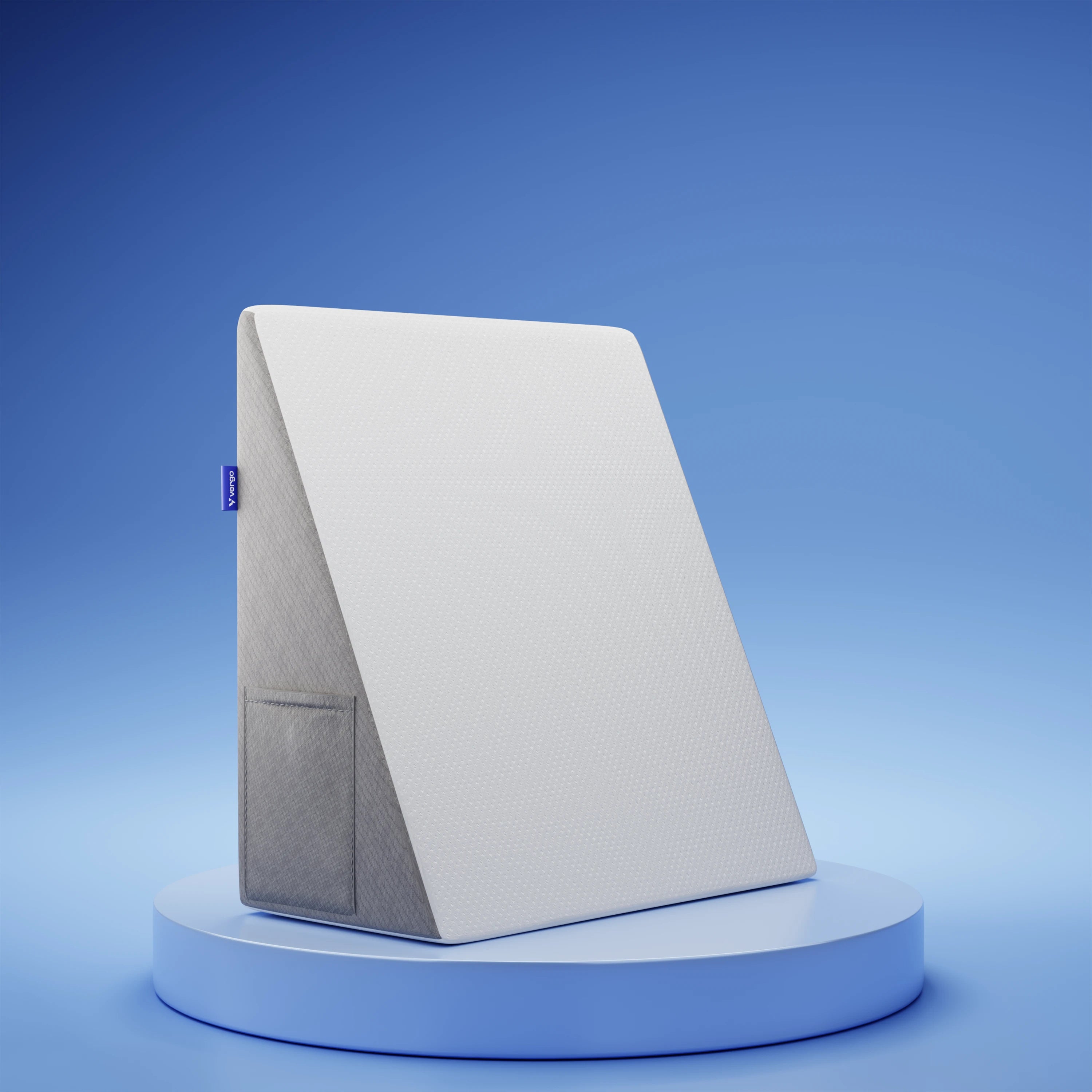
3. Wedge Cushion
Unlike a regular seat cushion, a wedge cushion has a sloped design that gently tilts your pelvis forward. This slight angle encourages a more natural sitting position, helping you maintain better posture while working, studying, or driving.
Wedge cushions are especially useful for people who spend long hours sitting, as they promote a more upright seating position and improve overall comfort.
Best For
-
Reading or watching TV in bed
-
Working comfortably on a laptop from bed
-
Relaxing with proper upper-body support
-
Elevating the legs for enhanced comfort
- Anyone looking for a more supported resting position
Key Benefits
- Encourages a more upright sitting position
- Supports healthy spinal alignment
- Promotes better posture
- Helps distribute body weight more evenly
- Lightweight and easy to carry
 Pro Tip: An orthopedic wedge pillow is designed to support different resting positions. Use it behind your back for comfortable upper-body elevation or under your legs to create a more relaxed and supported resting experience.
4. Seat Cushion
A standard orthopedic seat cushion is designed to improve overall sitting comfort by providing an additional layer of support between your body and the chair.
Unlike a coccyx cushion, which targets the tailbone, a seat cushion distributes body weight more evenly across the sitting surface, making it a great option for people who spend long hours seated.
Many seat cushions are made from high-density or memory foam, allowing them to maintain their shape while providing consistent comfort.
Best For -
- Office workers
- Home offices
- Students
- Gamers
- Frequent travellers
Key Benefits-
- Improves sitting comfort
- Evenly distributes body weight
- Supports long sitting hours
- Portable and lightweight
- Fits most chairs
Where Can You Use It?
- Office chairs
- Dining chairs
- Wheelchairs
- Car seats
- Gaming chairs
5. Neck Support Cushion
Although commonly associated with travel, neck support cushions are also useful for people who spend long hours sitting, especially during commutes or extended journeys.
These cushions help support the natural curve of the neck, making them ideal for cars, flights, trains, or even office chairs with high backrests.
Best For
- Drivers
- Frequent travellers
- Office professionals
- Long-distance commuters
Key Benefits
- Supports the neck naturally
- Improves comfort during travel
- Lightweight and portable
- Easy to carry
Where Can You Use It?
- Car seats
- Airplanes
- Trains
- Recliners
- High-back office chairs
Orthopedic Cushion Comparison Guide
Choosing the right orthopedic cushion depends on where you need additional support. Here's a quick comparison to help you decide.
|
Cushion Type |
Best For |
Main Benefit |
|
Backrest Cushion |
Lower back support |
Encourages better posture and supports the natural curve of the spine |
|
Coccyx Cushion |
Tailbone comfort |
Reduces pressure around the tailbone and improves sitting comfort |
|
Wedge Cushion |
Posture improvement |
Promotes a more upright sitting position and better pelvic alignment |
|
Seat Cushion |
Everyday comfort |
Evenly distributes body weight and enhances sitting comfort |
|
Neck Support Cushion |
Travel & commuting |
Supports the neck during long journeys |

Which Orthopedic Cushion Is Right for You?
Not every cushion is designed to solve the same seating challenge. Choosing the right one depends on your daily activities and the type of support you're looking for.
|
Your Need |
Recommended Cushion |
|
Better lower back support |
Backrest Cushion |
|
Improved sitting comfort |
Seat Cushion |
|
Reduced pressure around the tailbone |
Coccyx Cushion |
|
Better sitting posture |
Wedge Cushion |
|
Neck support while travelling |
Neck Support Cushion |
|
Complete office seating setup |
Backrest Cushion + Coccyx Cushion |
Sometimes, using two cushions together can create a more supportive and comfortable seating experience, depending on your chair and personal preference.
How to Choose the Right Orthopedic Cushion
With so many options available, selecting the right orthopedic cushion becomes much easier when you focus on your specific needs rather than simply choosing the most popular product.
Here are a few things to consider before making your decision:
1. Identify Your Comfort Needs
Ask yourself:
-
Do you need extra lower back support?
-
Are you looking for enhanced sitting comfort during long hours?
-
Do you want to improve your sitting posture?
-
Will you use the cushion at your office, home, or while travelling?
- Choosing a cushion based on your daily routine helps ensure it provides the right support where you need it most.
2. Choose High-Quality Foam
The material plays a major role in comfort and durability. Look for cushions made from:
-
High-density foam
- Premium memory foam
- Breathable fabric covers
These materials provide better support while maintaining their shape over time.
3. Check the Cushion Size/ Dimension
Before purchasing, ensure the cushion fits your office chair, car seat, or preferred seating surface. A properly sized cushion offers better comfort and stability.
4. Look for a Washable Cover
A removable and washable cover makes everyday maintenance much easier and helps keep your cushion clean and fresh.
5. Consider Portability
If you regularly move between your office, home, and car, choose a lightweight cushion with an easy-to-carry design.
6. Look for a Non-Slip Base
A non-slip bottom helps keep the cushion securely in place while sitting, reducing unnecessary movement during daily use.
Common Mistakes to Avoid When Buying an Orthopedic Cushion
With so many orthopedic cushions available in the market, it's easy to choose one based on appearance, price, or online popularity. However, the best orthopedic cushion is the one that suits your specific seating needs and daily routine. Taking a few extra minutes to understand the different types of cushions and their purpose can help you make a smarter investment.
Here are some common mistakes buyers often make:
- Buying a cushion without understanding its intended purpose
- Assuming all orthopedic cushions provide the same type of support
- Choosing a cushion based only on price instead of comfort and functionality
- Ignoring the quality of the foam, fabric, and overall construction
- Selecting the wrong size for their office chair, car seat, or seating surface
- Overlooking important features like a washable cover, breathable fabric, and non-slip base
- Not considering how many hours they spend sitting each day
- Purchasing without checking customer reviews or product specifications
Remember, an orthopedic cushion is designed to complement your seating setup, not replace it. Choosing the right cushion based on your comfort needs, seating habits, and workspace can significantly improve your everyday sitting experience.
Pro Tip: Instead of asking, "Which orthopedic cushion is the best?", ask yourself, "Which orthopedic cushion is the best for my needs?" That's the key to finding a cushion that delivers lasting comfort, better support, and long-term value.
Final Thoughts
The right orthopedic cushion can do more than make a chair feel comfortable—it can enhance your overall seating experience by providing targeted support where your body needs it most. Whether you're looking for better lower back support, improved sitting posture, or enhanced comfort during long hours at your desk, choosing the right cushion can make a noticeable difference.
From Backrest Cushions and Coccyx Seat Cushions to Wedge Cushions, each type is designed for a specific purpose. Understanding their unique benefits helps you choose the one that best matches your daily routine, seating preferences, and workspace.
Comfort Isn't One-Size-Fits-All
Every person has different seating habits and comfort needs. That's why Vergo offers a thoughtfully designed range of orthopedic cushions to provide targeted support where you need it most. Whether you're looking for a Backrest Cushion, Coccyx Seat Cushion, or Wedge Cushion, you'll find a solution that fits your workspace and lifestyle.
Find the Right Cushion for You here in Vergo
FAQ -
1. Which orthopedic cushion is best for office chairs?
It depends on your needs. A backrest cushion is ideal for additional lumbar support, while a coccyx seat cushion helps improve sitting comfort during long hours.
2. What's the difference between a backrest cushion and a coccyx cushion?
A backrest cushion supports your lower back, whereas a coccyx cushion is designed to distribute pressure more evenly around the tailbone while sitting.
3. Can I use an orthopedic cushion in my car?
Yes. Many orthopedic cushions are lightweight and portable, making them suitable for car seats, office chairs, and home seating.
4. Are memory foam orthopedic cushions better?
Memory foam cushions adapt to your body shape while maintaining their structure, making them a popular choice for long-term comfort and support.
5. How do I clean an orthopedic cushion?
Most orthopedic cushions come with removable, washable covers. Always follow the manufacturer's care instructions to maintain the cushion's quality and longevity.