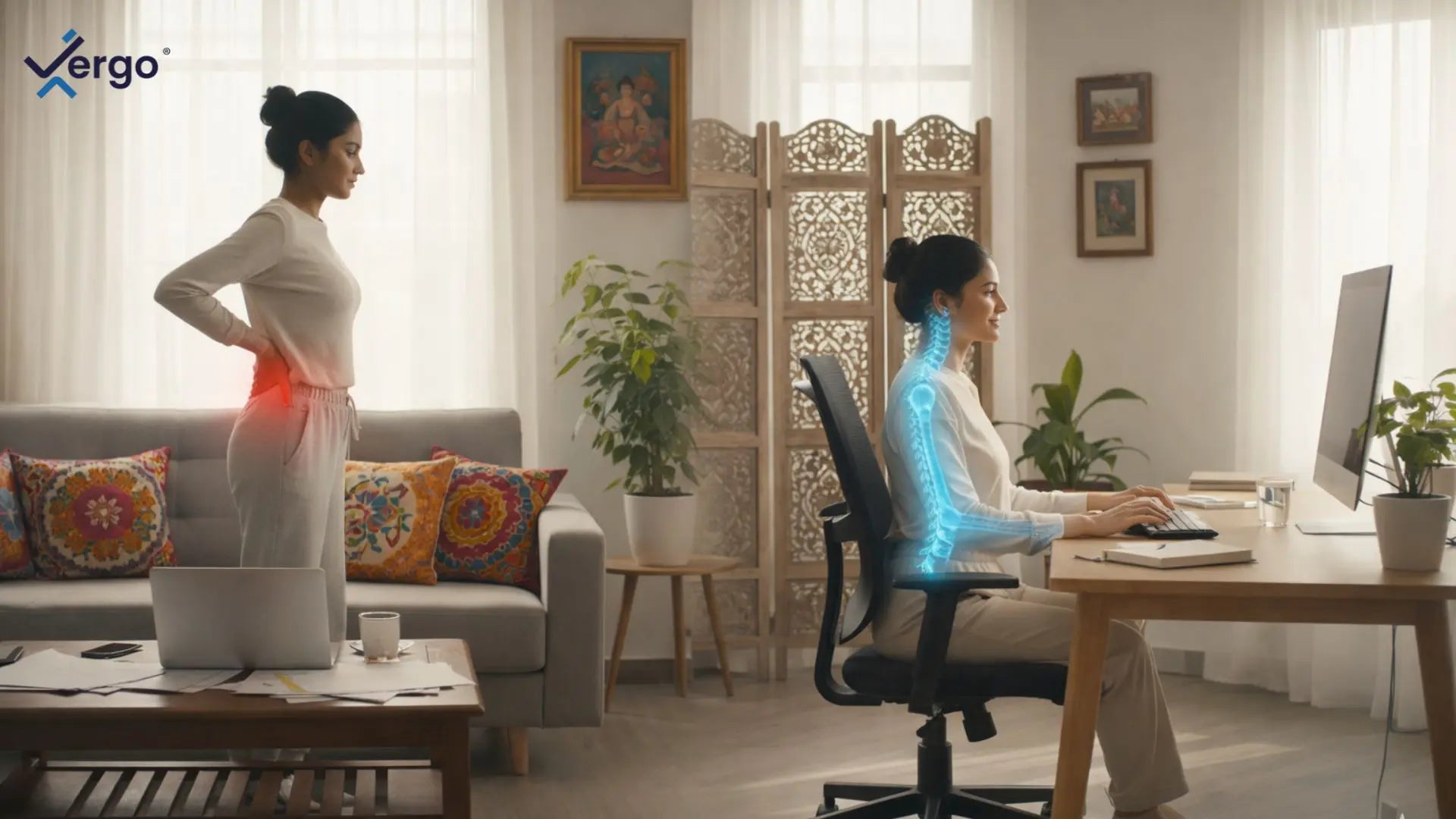
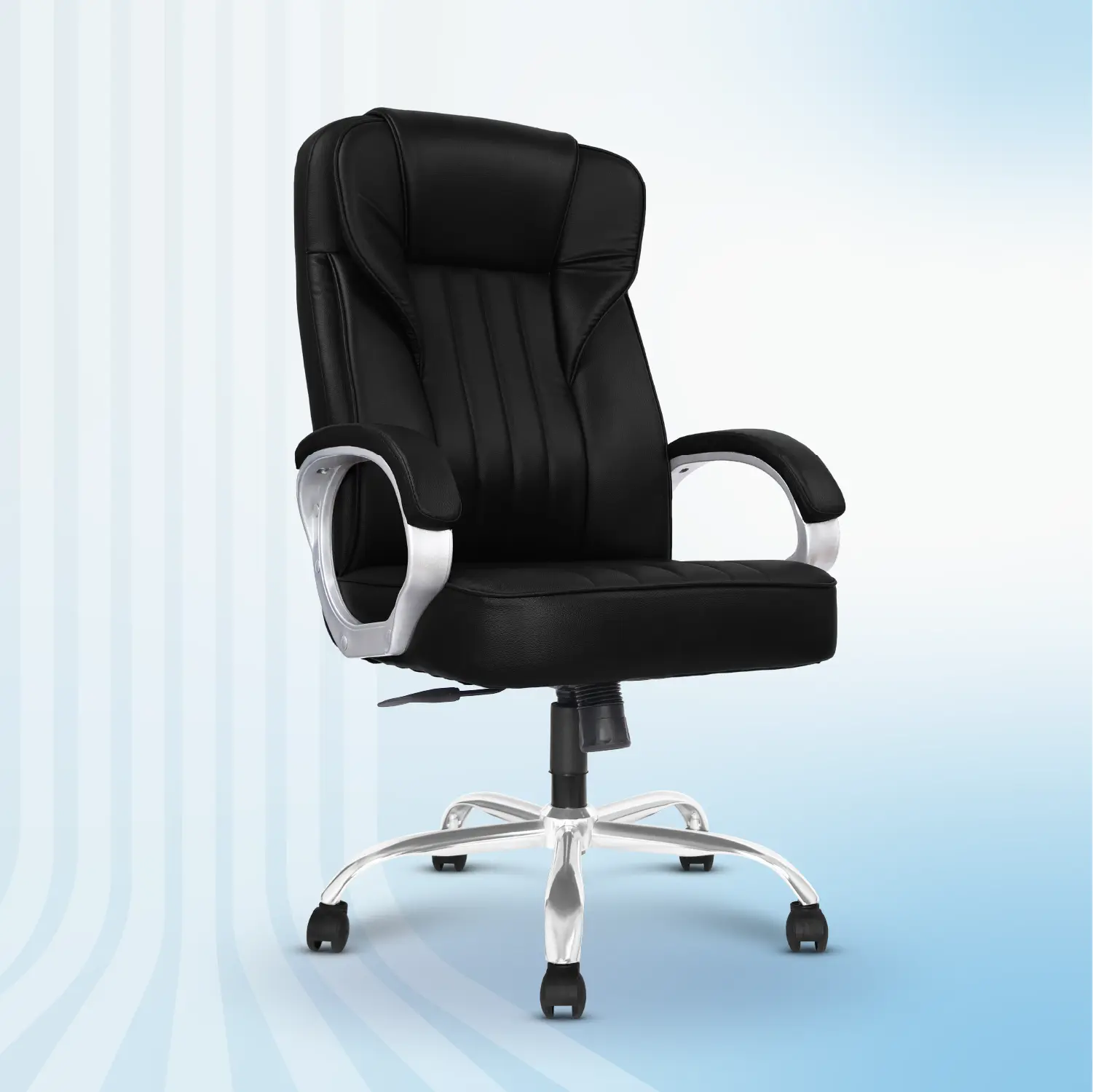
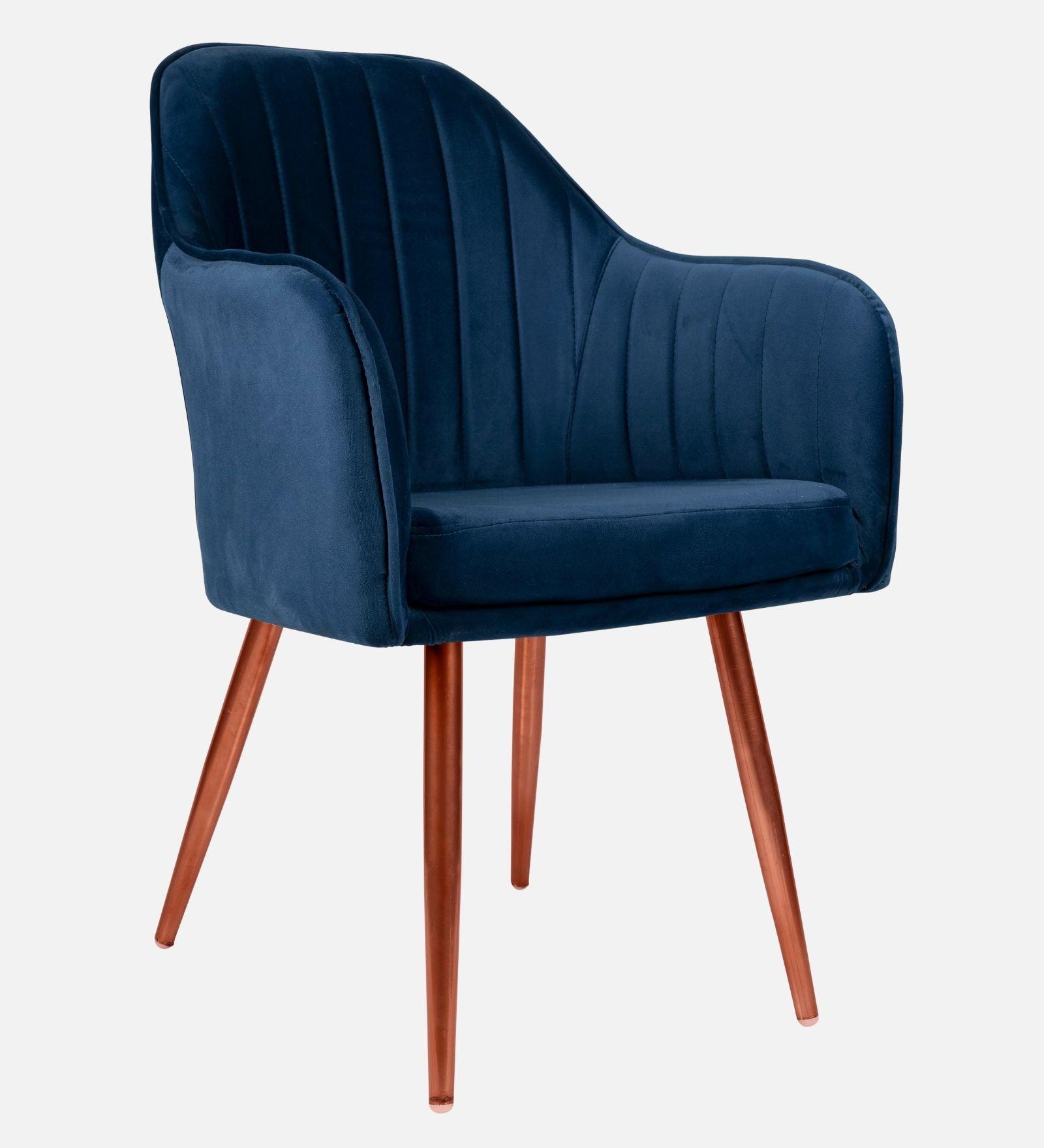
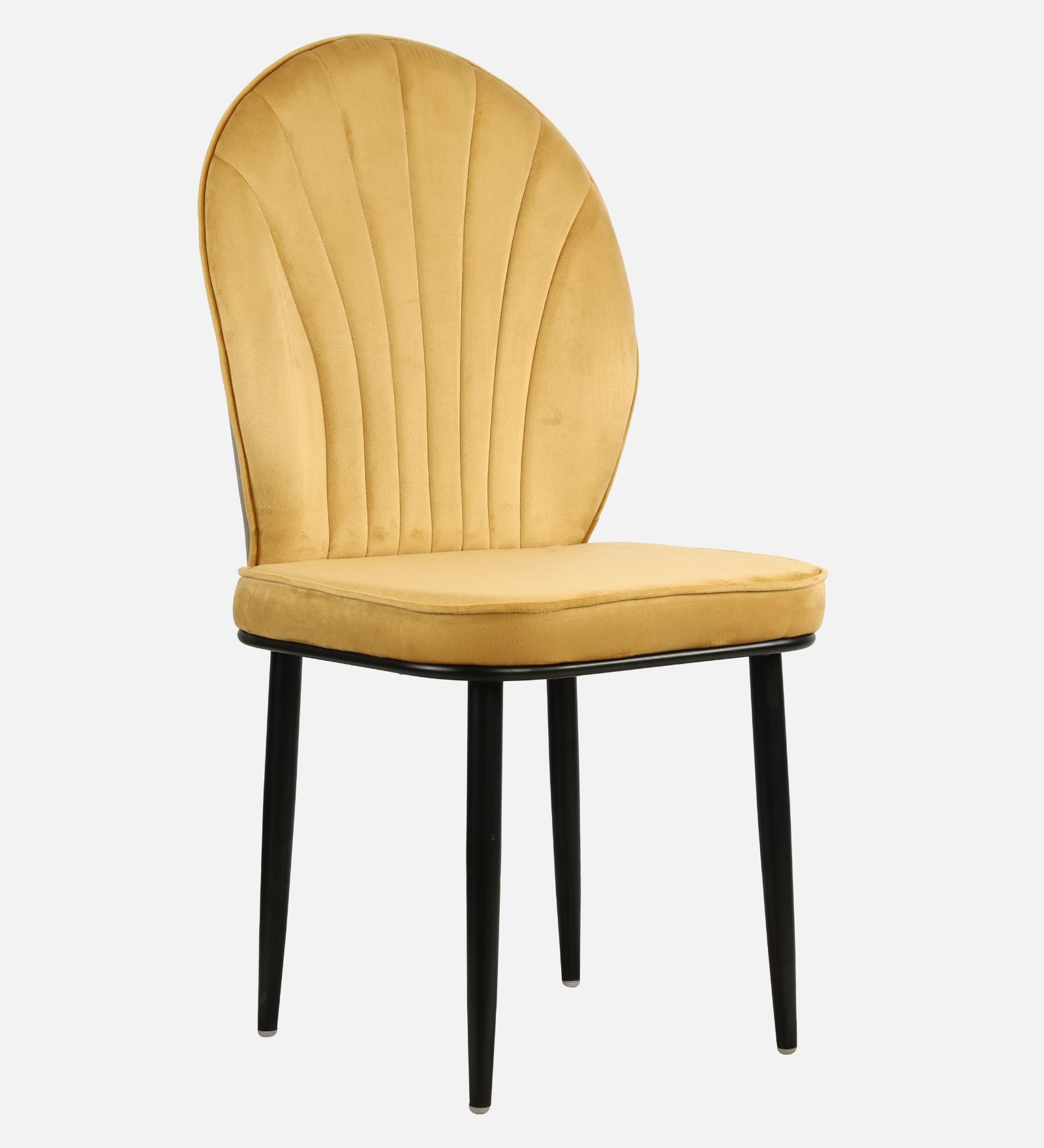
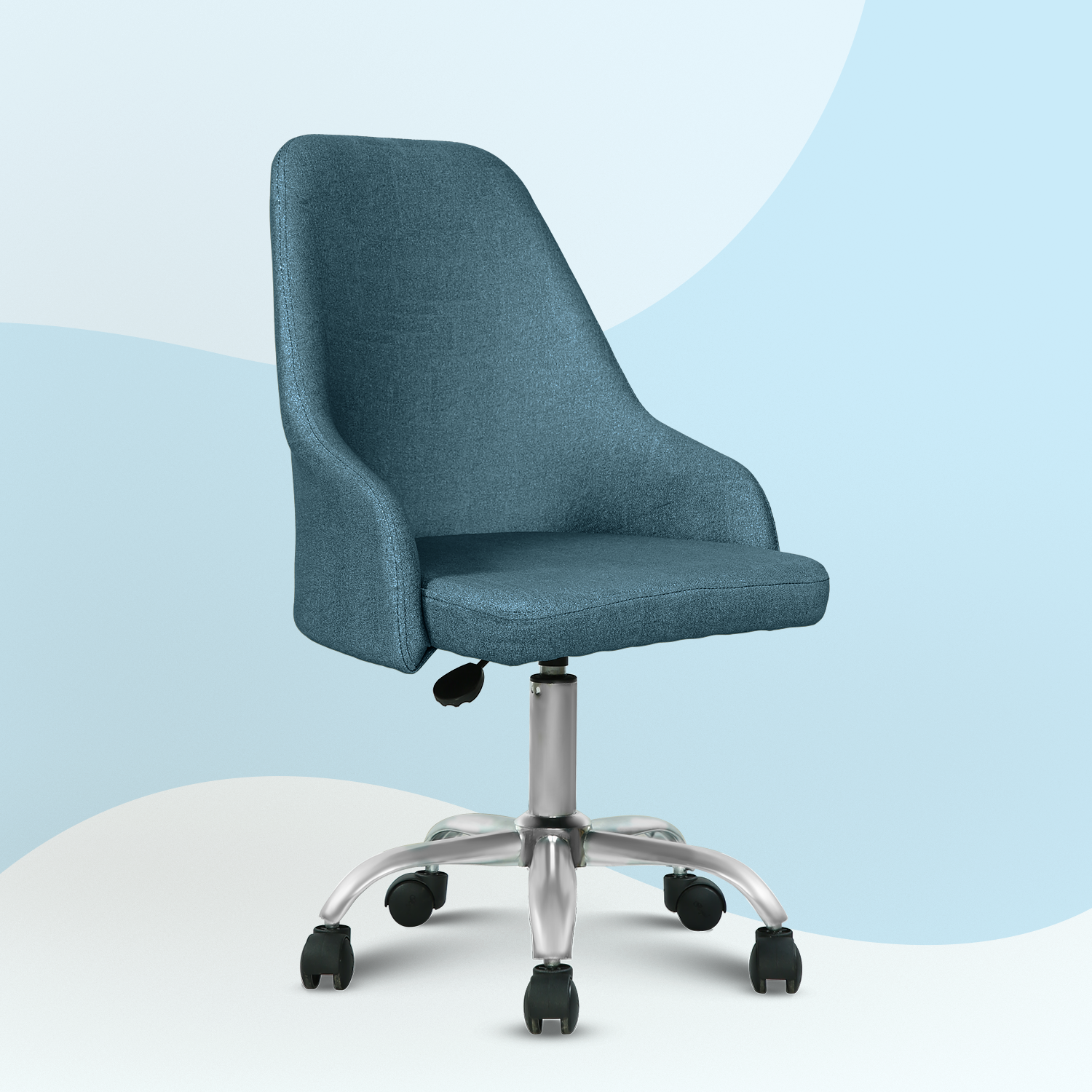
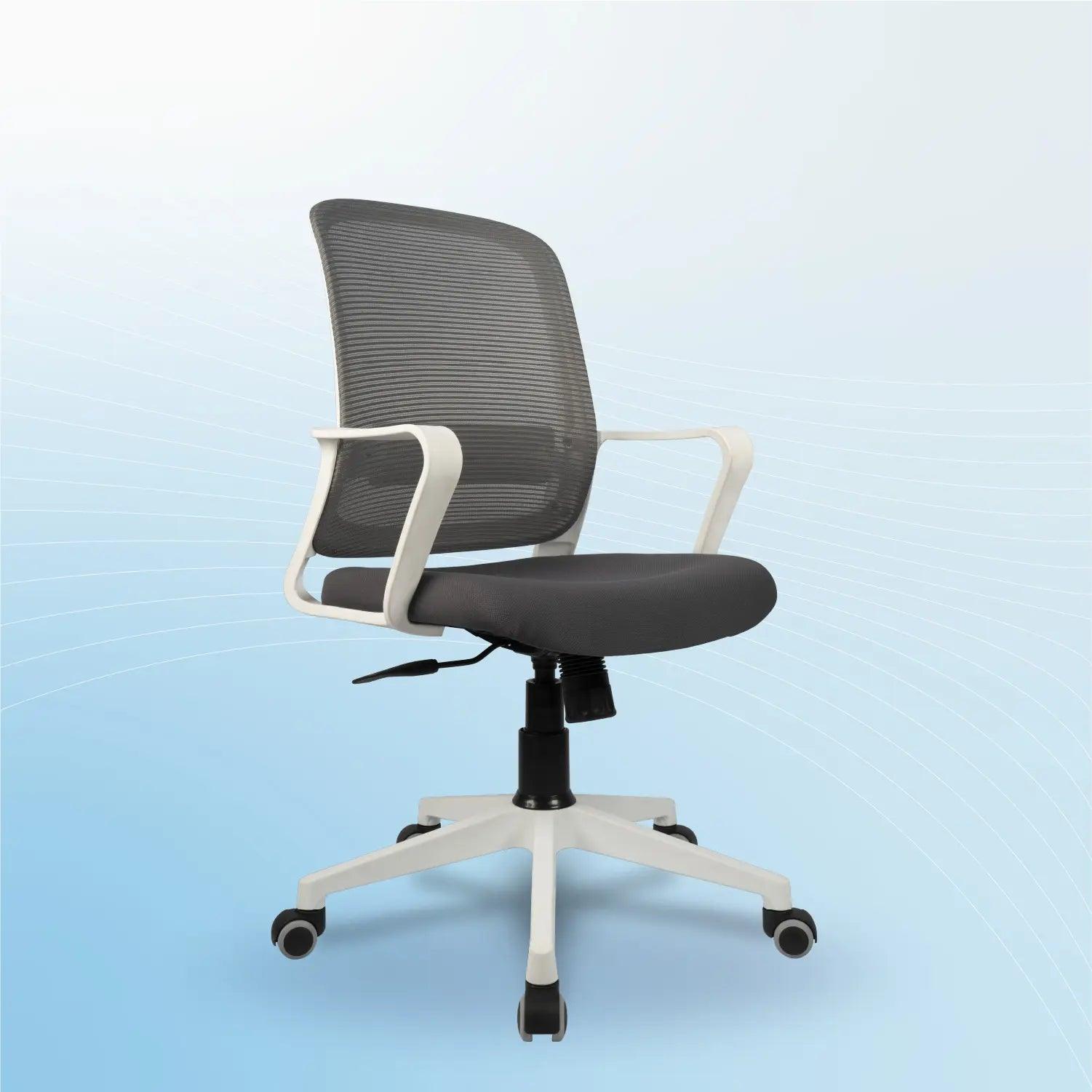

If you’ve ever been told you have a slip disc, or you suspect your lower back isn’t happy with your daily routine, sitting can suddenly feel risky. You still have to work, commute, or study, but now every chair and every bend feels important.
The truth is, slip disc and sitting are closely connected not because sitting is “bad” by itself, but because long hours of sitting in poor posture on the wrong chair can put extra stress on your spine.
This blog keeps things simple and practical: everyday do’s and don’ts for your chair, posture and habits. No medical jargon, just real-life tips you can start using today.
(Important: This is general awareness content, not medical advice. If you have a diagnosed slip disc or severe back pain, always follow your doctor or physiotherapist’s guidance)
Slip Disc & Sitting: What’s the Connection?
A slip disc (often called a herniated or bulging disc) happens when one of the soft cushions between your spinal bones shifts or presses where it shouldn’t. Only a healthcare professional can diagnose that but we can understand why sitting the wrong way for long hours often makes things feel worse.
When you sit:
-
Your lower back tends to round forward, especially on a cheap or non-supportive chair
-
Your head leans towards the screen, increasing strain down the whole spine
-
Your hip flexors stay bent and tight, pulling on your lower back
Over time, this posture increases pressure on the discs, muscles and ligaments in your spine. For someone already dealing with disc issues, that can trigger pain, stiffness, tingling or weakness.
Good news: you don’t have to quit sitting completely. You just need better slip disc do’s and don’ts for how you sit, how long you sit, and what you sit on
Everyday Sitting Mistakes That Can Make Your Back Feel Worse
You don’t need a major accident to irritate a sensitive back. Often it’s small habits repeated every day. Some common mistakes:
-
Working from a sofa or bed -
Soft surfaces let you sink in, rounding your lower back and twisting your spine. -
Using a very cheap chair for long hours of sitting -
Thin foam, no lumbar support, wrong height – your back does all the work. -
Leaning forward toward the screen -
As the day goes on, your nose gets closer to the monitor, your shoulders roll in, and your spine takes all the load. -
Sitting on a chair that’s too low -
When knees are higher than hips, your lower back is pushed into a slouch. -
Twisting while sitting-
Turning your body to one side for the keyboard, mouse or TV, or always crossing the same leg over the other. -
Zero breaks-
Even with the best chair for back pain, sitting absolutely still for hours is rough on your spine.
The goal isn’t being perfectly rigid – it’s avoiding these high-stress positions for long periods.
Do’s for Sitting with a Slip Disc or Back Issue
If you need to sit, sit smarter, not scared. Here are practical do’s for slip disc and sitting.
- Do keep your hips slightly higher than your knees
Adjust your chair (or add a cushion) so your hips sit a little higher than your knees. This encourages a gentle inward curve in your lower back instead of a deep slouch. -
Do support your lower back
Use a chair with built-in lumbar support, or place a small cushion/rolled towel in the small of your back. You should feel supported, not forced into an extreme arch.
- Do sit back fully in the chair
Avoid perching on the edge. Sit all the way back so your back is in contact with the backrest. This lets the chair share the load instead of your muscles doing everything. -
Do keep your feet grounded
Feet flat on the floor or on a footrest not dangling or tucked far under the chair. This gives your pelvis a stable base so your spine can stack more naturally.
-
Do set up your screen properly
Raise your screen so the top is around eye level. When your eyes drop, your head and shoulders follow – and your spine pays the price.
-
Do take regular mini-breaks
Set a timer every 30–40 minutes. Stand up, walk for a minute, or do a gentle stretch (as allowed by your doctor). Short, frequent breaks are better than one big stretch session at the end of the da
Don’ts to Avoid if You Sit for Long Hours
Now, the don’ts. These are especially important if you already have a slip disc or chronic back pain.
A) Don’t work long-term from beds, sofas or bean bags -
They might feel comfy for a quick Netflix session, but they’re terrible for long hours of sitting and working. Your lower back has no structured support.
B) Don’t sit twisted or uneven -
Avoid sitting with :
- Your torso turned to one side
- A wallet or phone in your back pocket
- One leg always crossed over the other
All of these can tilt your pelvis and stress your spine.
C) Don’t ignore pain or numbness -
If you feel sharp pain, increasing discomfort, or tingling/numbness, don’t just “push through”. Change position, stand up, or switch tasks – and talk to your doctor if it continues.
D) Don’t rely only on cushions to fix a bad chair
Cushions can help, but they can’t turn a very poor, unstable or broken chair into the best chair for back pain. At some point, the chair itself has to change.
E) Don’t sit for hours without moving
Even with a comfortable ergonomic chair, your spine and discs still need movement. Think: “Sit well, move often” – not “sit perfectly and never move".
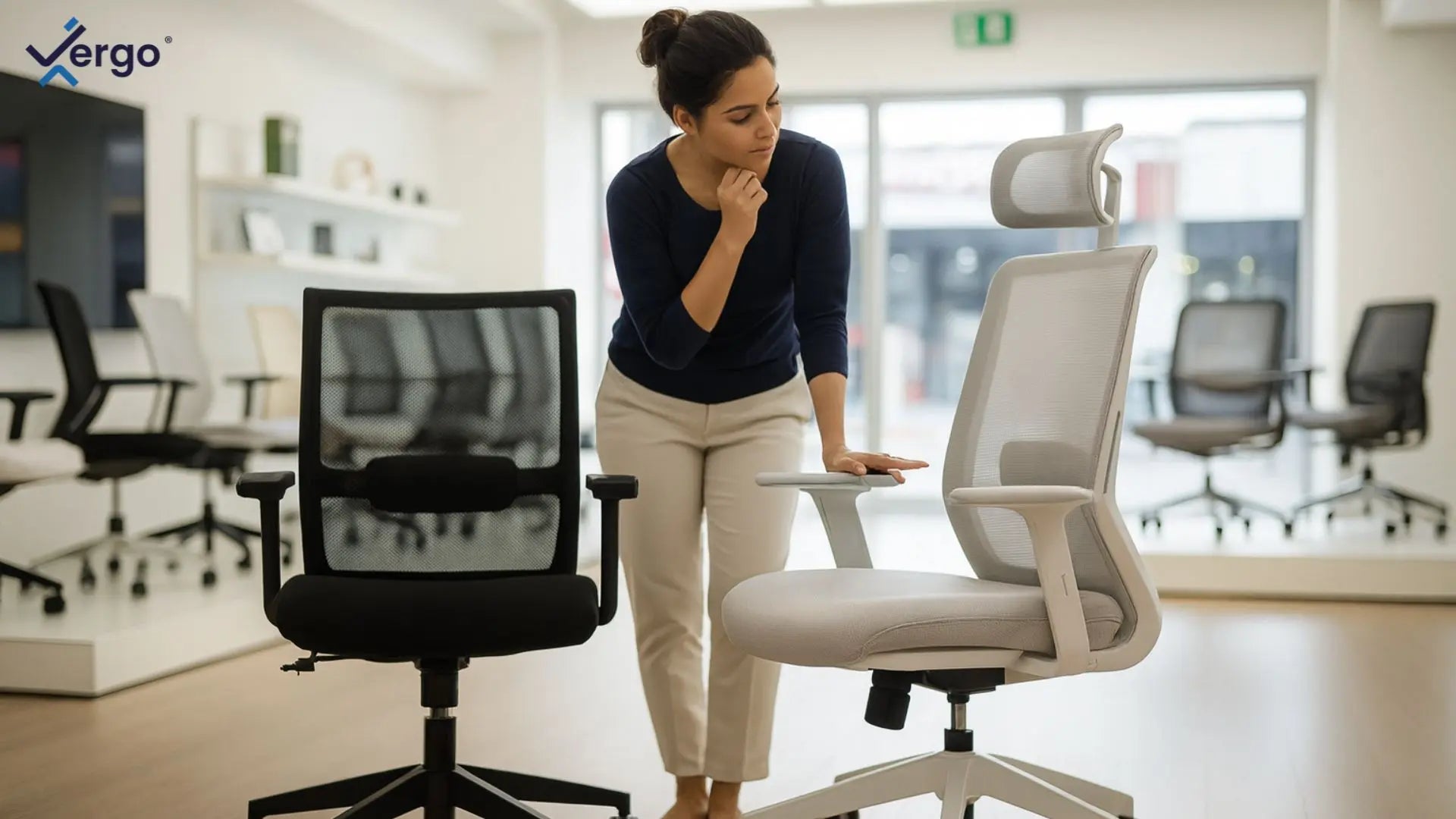
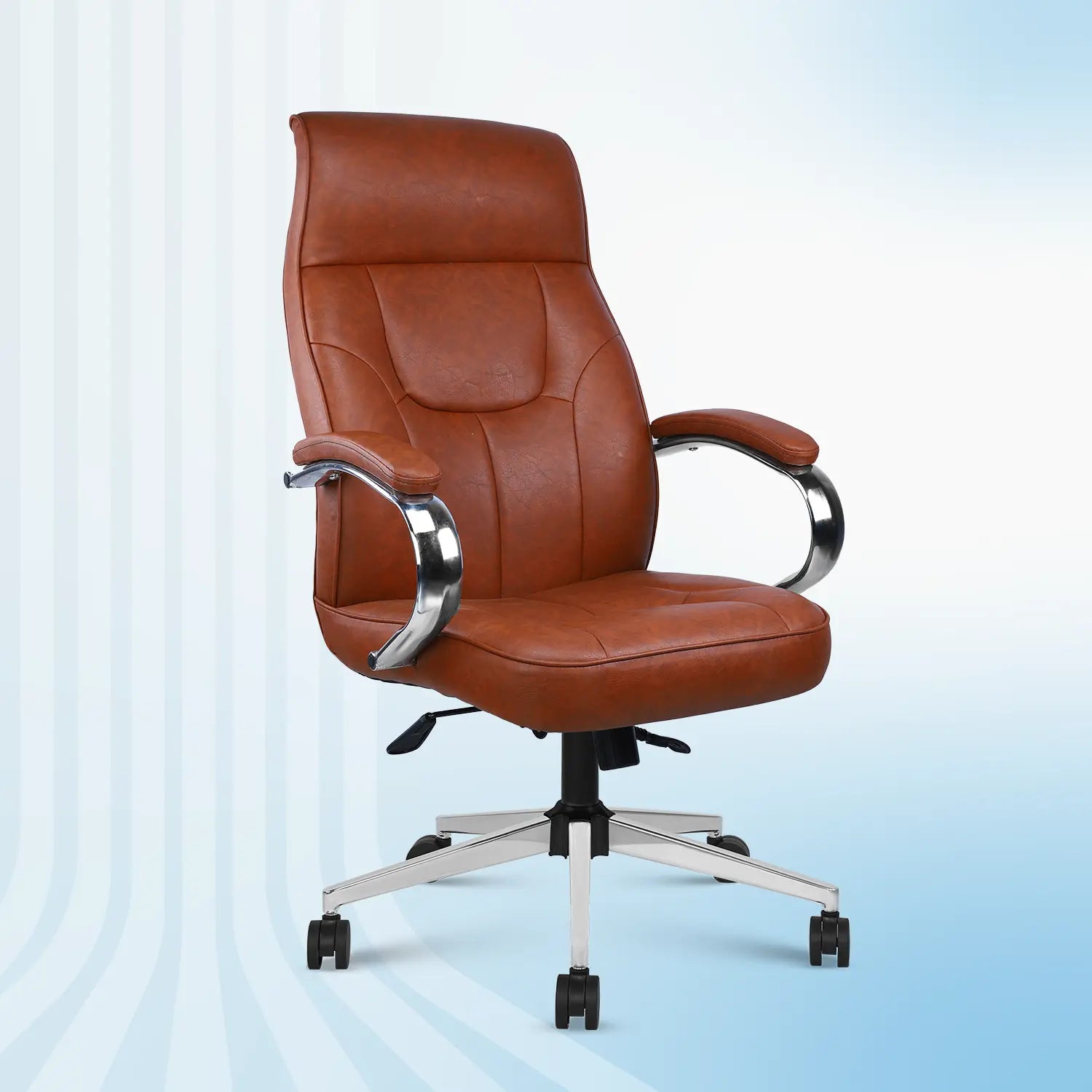
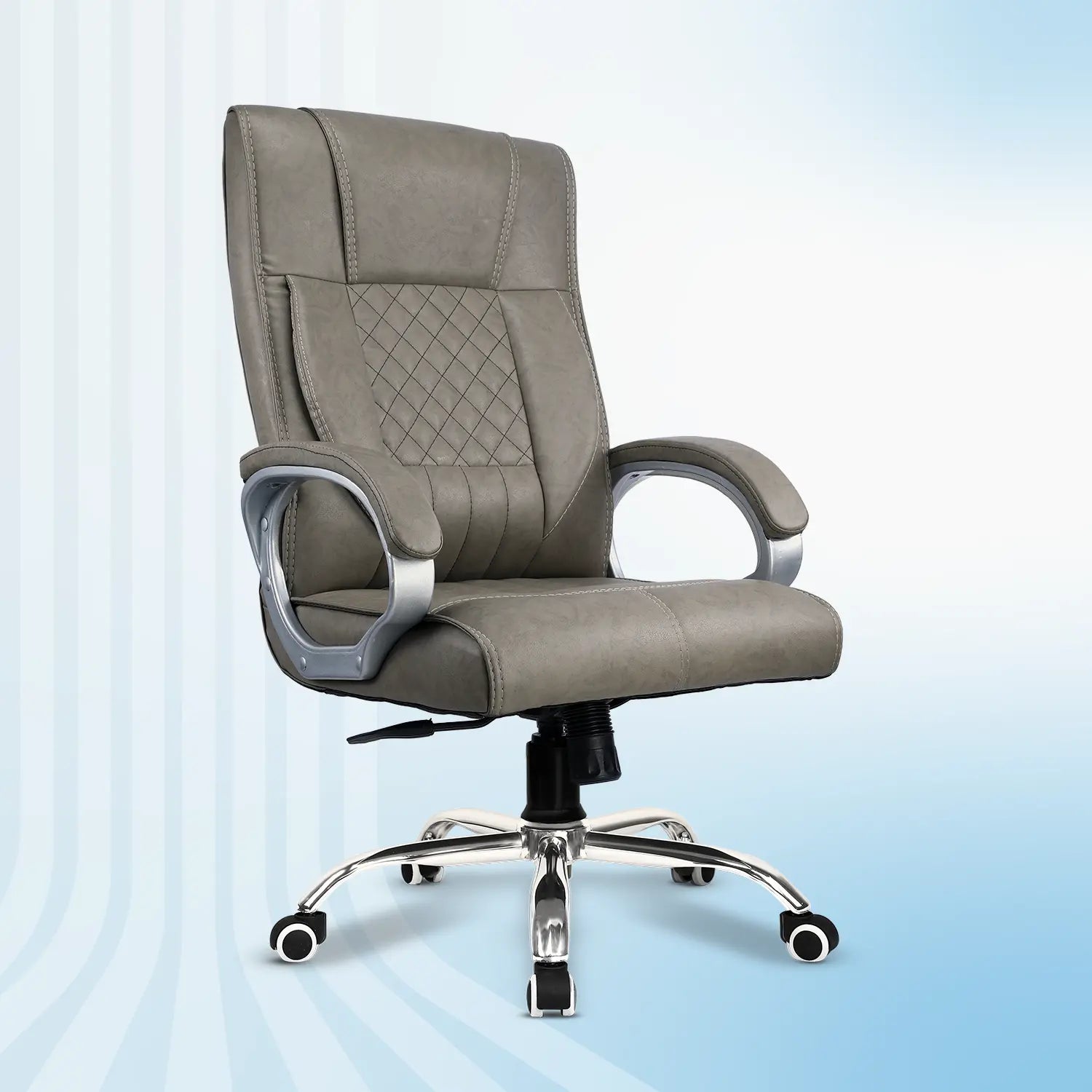
Choosing a Chair If You Have Back or Slip Disc Issues
Your chair can’t cure a slip disc, but it can either support recovery or fight against it. When you’re choosing a chair:
Look for key ergonomic features
-
Adjustable seat height -
So your feet can rest flat and hips stay slightly higher than knees. -
Good lumbar support -
Built-in or adjustable support that sits in the small of your back, encouraging that gentle curve. -
Medium-firm seat cushion -
Too hard = pressure points. Too soft = you sink and slouch. Aim for supportive and slightly cushioned. -
Stable backrest with slight recline -
A backrest that follows the curve of your spine and allows a little recline can reduce constant pressure on your discs. -
Comfortable armrests -
Adjustable armrests help keep your shoulders relaxed and stop you from hunching.
Simple Posture & Movement Habits for Long Hours of Sitting
Chair + posture + movement = your best combo.
Here are easy habits that work well with any decent chair:
-
Change positions often -
Lean slightly back, then sit more upright, then shift your weight a little – micro movements are good. -
Use movement triggers -
Stand when you’re on phone calls, stretch before and after meetings, walk for two minutes after lunch. -
Keep essentials in front of you -
Place your mouse, keyboard and notebook where you don’t have to twist to reach them. -
Pair habits with breaks -
Every time you refill your water, use the chance to roll your shoulders, gently stretch your hips, or walk a small loop.
You don’t need perfection; you just need less strain and more movement than yesterday.
Who Is This Guide For?
This guide is for anyone who spends a lot of time sitting and worries about their back:
-
Work-from-home professionals who have turned dining chairs or sofas into their office.
-
Office workers sitting for long hours of sitting at a desk with constant deadlines and meetings.
-
Students who study for hours on laptops, often on beds or basic plastic chairs.
-
Gamers who sit in one position for long stretches without realising how much time has passed.

Whether you’ve already been told you have a slip disc or you simply don’t want your chair and posture to create future back issues, these everyday do’s and don’ts will help you sit smarter and protect your spine.
Sitting isn’t the enemy, how and how long you sit is what truly affects your back. If you’re dealing with a slip disc or persistent lower-back discomfort, small daily choices matter more than you think. The right posture, a supportive chair, and simple movement habits can significantly reduce the strain that long hours of sitting place on your spine.
You don’t need a perfect setup from day one; you just need to build better awareness and make gradual improvements. Sit back fully, support your lower back, raise your screen, move often and avoid common posture mistakes that silently aggravate your spine.
Whether you work from home, study for long periods, or spend hours at an office desk, these do’s and don’ts can help you feel more comfortable, protect your back and prevent long-term issues. Your spine works hard for you these habits are how you return the favor.
FAQs
1. Can sitting too long worsen a slip disc?
Sitting for long periods in a poor posture or on an unsupportive chair can increase pressure on your spine and may aggravate slip disc symptoms like pain or stiffness. That’s why taking breaks, improving your posture and using a more supportive chair is so important.
2. Is an ergonomic chair good for slip disc problems?
A comfortable ergonomic chair with proper lumbar support and adjustments can help reduce strain on your back during long hours of sitting. It doesn’t treat a slip disc, but it can make daily life and work more manageable when combined with medical advice and exercises from your doctor or physiotherapist.
3.What is the best chair for back pain relief at home?
The best chair for back pain relief at home is one that:
a) Keeps your hips slightly higher than your knees
b) Offers good lumbar support
c) Has a medium-firm, supportive seat
d) Fits your body size and allows you to sit upright with relaxed shoulders
For many people, this means choosing a proper ergonomic office chair designed for long hours rather than using a dining chair, plastic chair or sofa for daily work.