
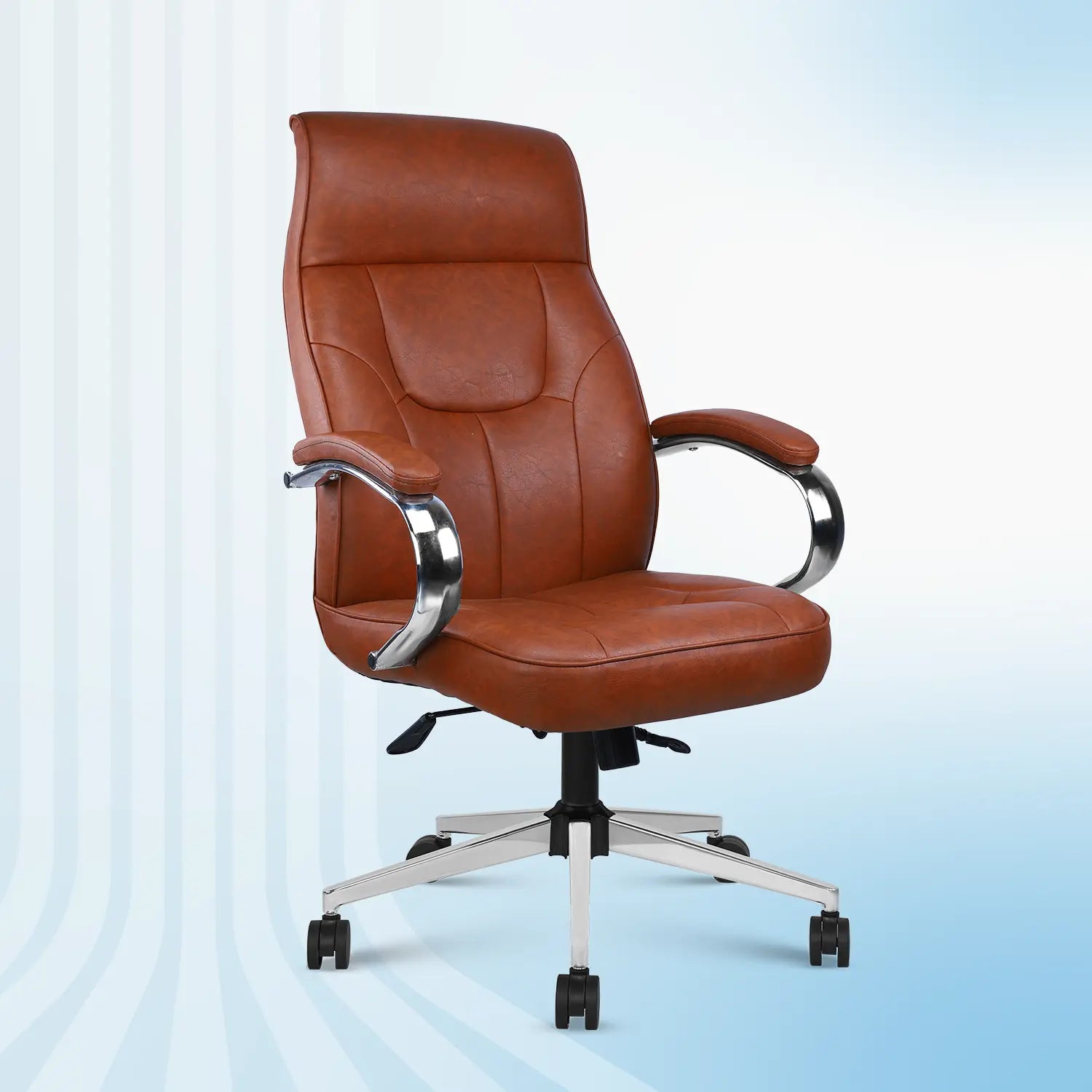
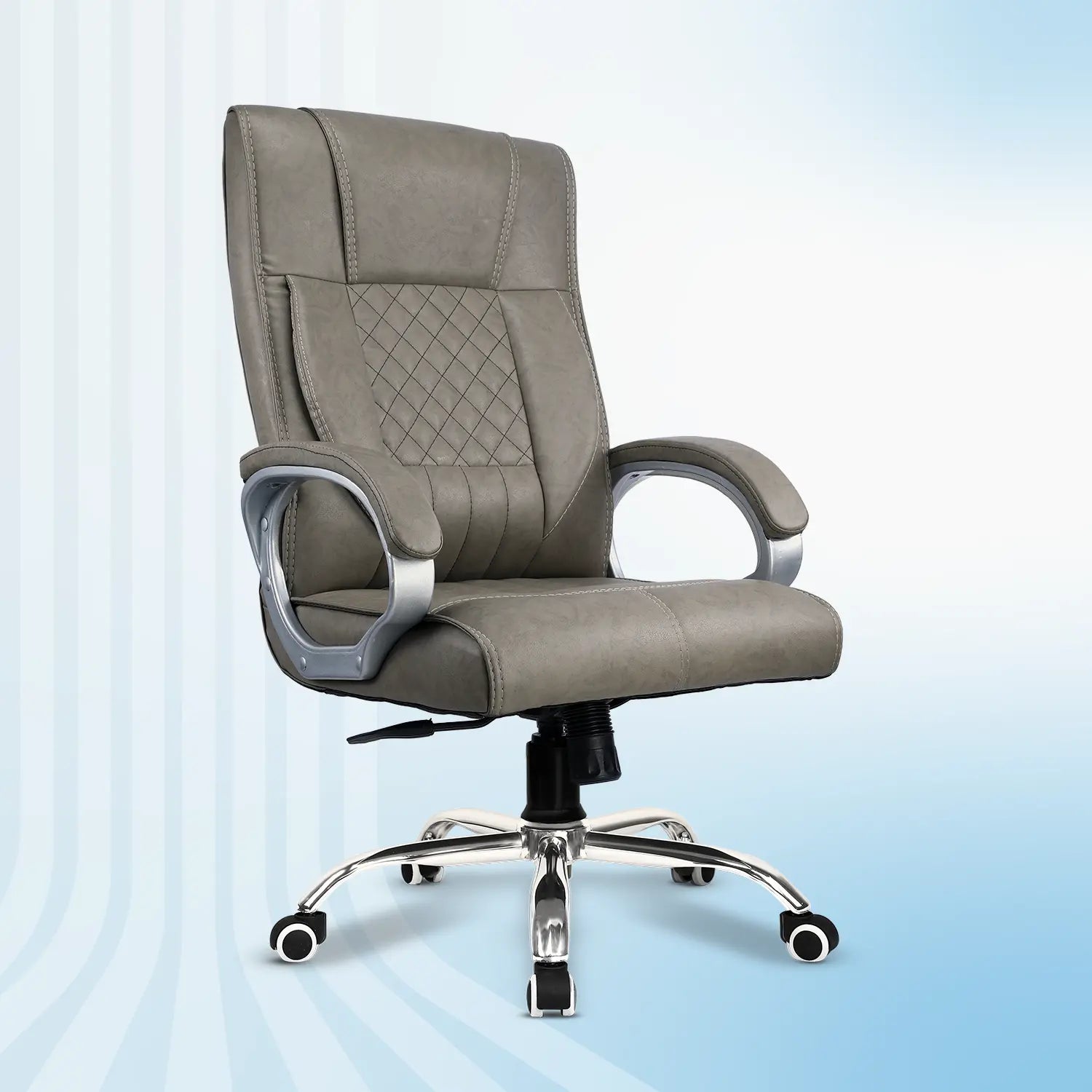
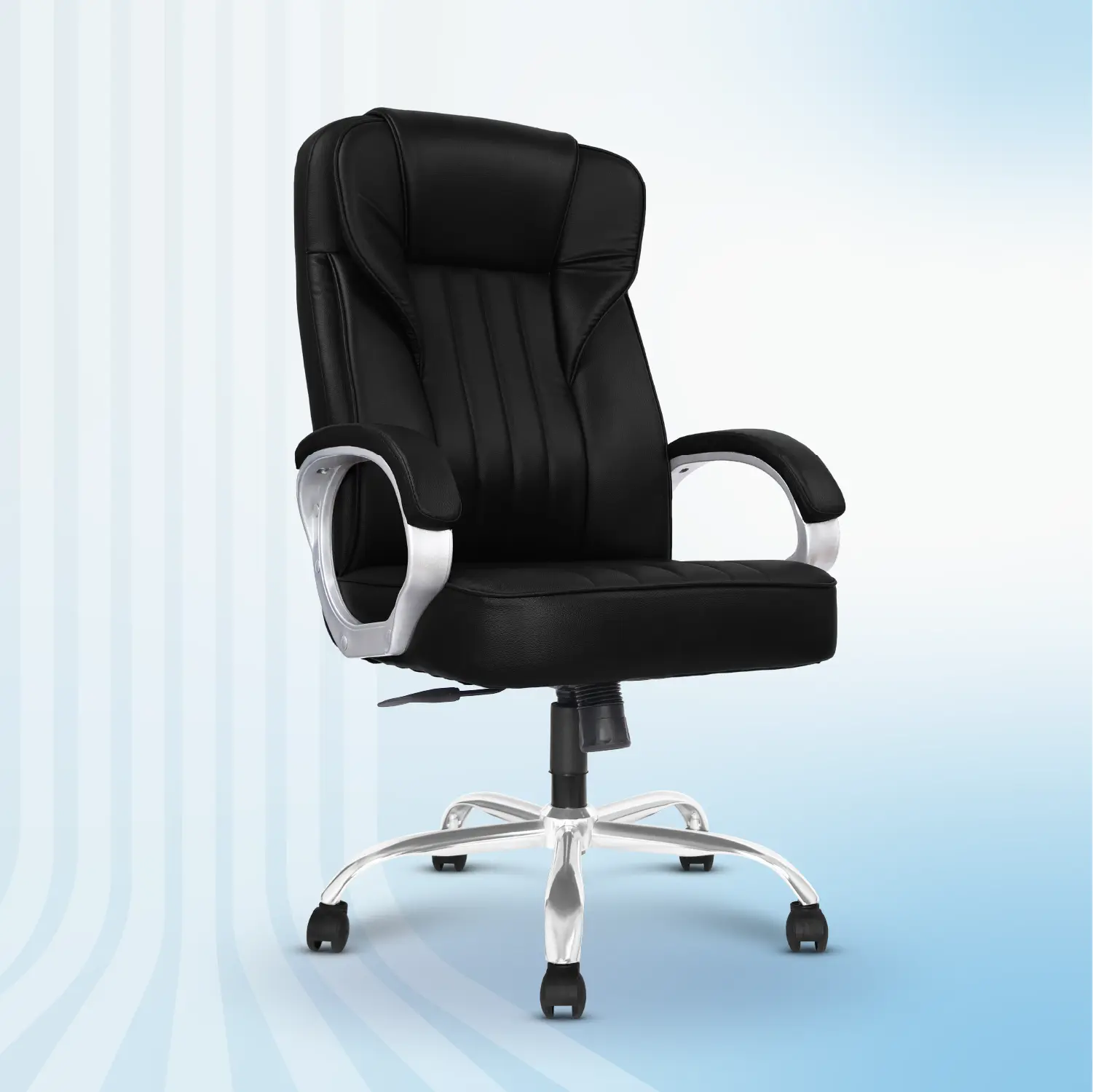
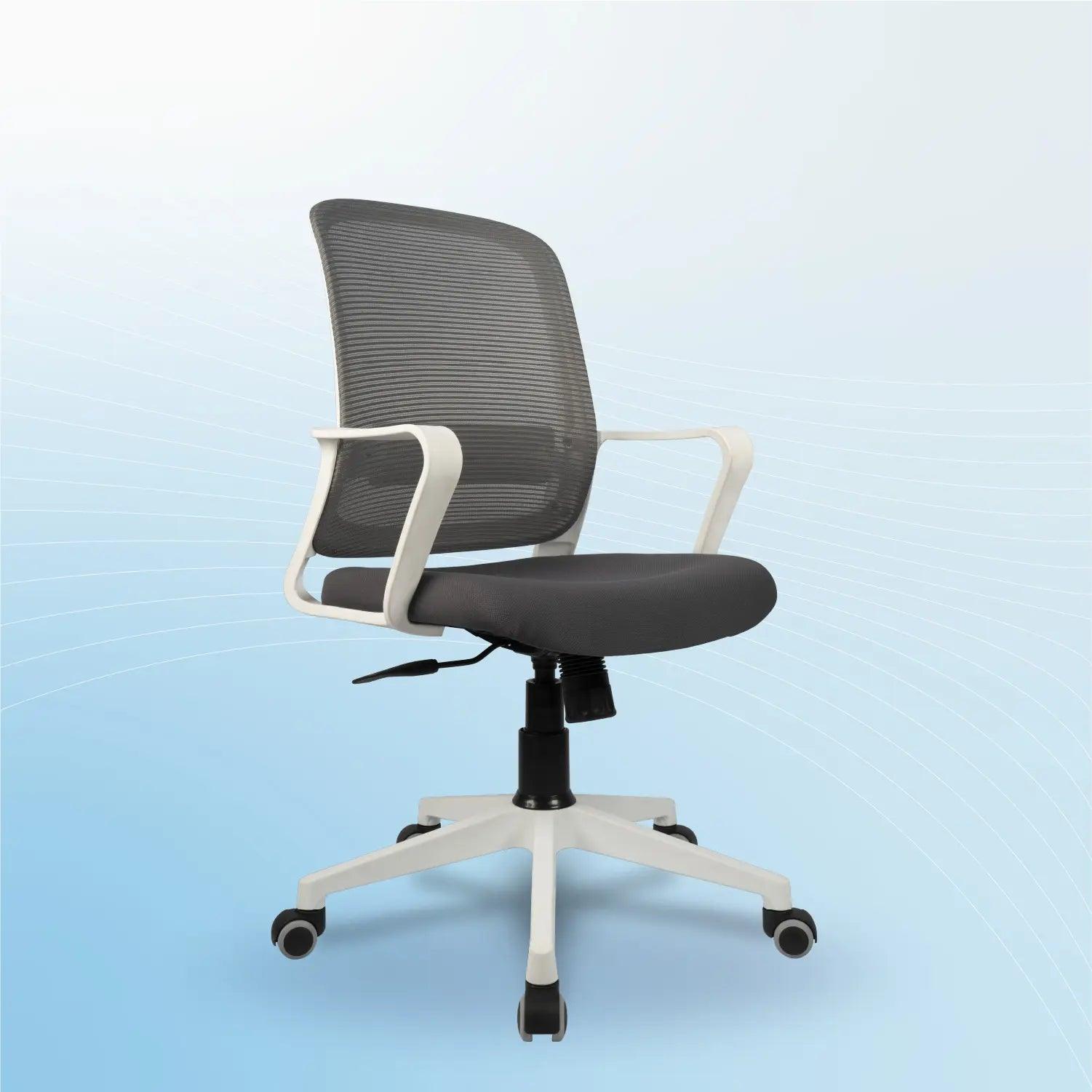

When customers search for the best office chair for long hours, they often compare two chairs that look almost identical.
- Same mesh back.
- Same black frame.
- Same wheels.
- Same recline lever.
- Same “ergonomic” tag.
One costs ₹5,000. The other costs ₹8,000. The first instinct is simple: “Why should I pay more when both look the same?”
This is one of the most common buying questions today:
- Why are ergonomic office chairs expensive?
- Is a cheap office chair okay for daily use?
- What is the difference between cheap and premium office chairs?
- How do I choose the right office chair?
- Which office chair is best for back pain?
The answer lies in what you cannot see. - An office chair is not just furniture.
It is a mechanical support system designed to carry your body weight for thousands of hours every year.
The differences in material, mechanism, testing, and durability are hidden inside the chair and that’s where price variation begins.
Why Most Office Chairs Look Similar Today
Modern ergonomic office chairs follow standardized design principles. Customers expect:
- Mesh back for breathability
- Adjustable height
- Heavy duty base with wheels
- Armrests
- Recline mechanism
Since the basic design is common, manufacturers make chairs that look similar, But appearance represents only about 30% of the product.
The remaining 70% including internal materials, mechanical systems, durability testing, and quality control determines whether the chair lasts 18 months or 6 years.
And that is not visible in photos.
Seat Cushion -The Foundation of Long-Hour Comfort
The seat cushion carries your entire body weight. If you sit 8 hours daily, that’s nearly 2,000 hours per year of continuous pressure.
Foam Density Makes a Huge Difference -
Low-cost chairs usually use foam with density between 18–22 kg/m³. This foam feels soft initially. But over time, it compresses.
Research in material durability shows low-density foam loses structural resilience significantly faster under continuous weight load.
When foam compresses:
- Your hips sink slightly lower
- Pelvis tilts backward
- Lower back loses natural support
- Circulation reduces
- Fatigue increases
Within 6–12 months, the chair no longer feels the same. On the other hand, high-quality ergonomic office chairs use high-resilience molded foam (30–40 kg/m³ density). This foam is tested for compression resistance and retains shape for years.
From outside, both cushions look identical. Internally, the material quality is completely different. And better material costs more.
Lumbar Support - The Most Misunderstood Feature
Your lower back has a natural inward curve. If unsupported, spinal discs absorb more pressure.
Studies in occupational ergonomics indicate:
- 65% of office workers report back or neck discomfort.
- Unsupported sitting significantly increases lumbar disc pressure compared to supported posture.
Cheap chairs often include fixed lumbar support a plastic curve molded into the backrest. It may fit some people, but not everyone.
Higher-quality ergonomic chairs include adjustable lumbar support. You can move it up or down to match your height. Some also allow depth adjustment.
This adjustability allows the chair to adapt to your body and not the other way around.
The mechanism required for adjustment adds cost, But it improves long-term comfort significantly.
Recline & Tilt Mechanism- Movement Reduces Fatigue
Sitting in one static position increases muscle fatigue, Good recline mechanisms allow small movements that:
- Improve circulation
- Reduce pressure build-up
- Lower muscle strain
Basic chairs have simple single-lock tilt systems and these features are not explained in the product pages.
Quality ergonomic chairs offer:
- Multi-position locking
- Synchronized tilt
- Adjustable tension
- Steel reinforcement plates
These systems are more complex and expensive to manufacture, But they make a major difference during long sitting sessions.
Armrests -1D vs 2D PU Armrests (A Major Pricing Factor)
Armrests are often ignored during buying — but they play a key role in shoulder and neck alignment.
1D Armrests (Common in Budget Chairs)
- Only height adjustable
- Hard plastic surface
- Limited positioning
- Minimal padding
These armrests may support elbows but do not adapt to different desk heights or typing angles. When armrests are misaligned:
- Shoulders rise slightly
- Neck muscles tighten
- Wrist strain increases
Over long hours, this contributes to discomfort.
2D PU Armrests (Found in Quality Ergonomic Chairs)
- Height adjustable
- Forward & backward movement
- Soft PU padding
-
Better elbow positioning
2D armrests allow better alignment with desk height and keyboard position, The PU padding provides softer contact, reducing pressure on forearms.
This adjustability requires stronger mechanisms and higher material quality which increases cost.
But during 8-hour workdays, proper arm positioning significantly reduces shoulder fatigue.
Gas Lift & Safety Certification
The height adjustment of a chair depends on the gas lift. Certified Class 3 or Class 4 gas lifts are pressure-tested and rated for higher load cycles.
Cheap chairs often use non-certified lifts to reduce price.
Over time, cheaper lifts may:
- Start sinking
- Lose pressure
- Affect posture stability
Certified lifts cost more, but they ensure durability and safety.
Base & Frame Strength - Built for Stability
Two chairs may look identical from the top — but the real difference is often underneath.
Cheap office chairs usually come with a lightweight plastic base and basic castor wheels. While they work initially, plastic bases can weaken over time, especially with daily 6–8 hour use. Wheels may become noisy, jam frequently, or lose smooth movement.
Higher-quality ergonomic chairs use reinforced metal or aluminium bases with durable, high-grade castor wheels. These provide better stability, higher weight capacity, smoother movement, and longer lifespan.
Metal or aluminium construction costs more, but it significantly improves durability and safety over time.
Mesh Quality - Not All Mesh Is Equal
Mesh backs are popular because they improve airflow and reduce heat buildup during long sitting hours. But not all mesh materials offer the same performance.
There are different types of mesh used in office chairs. Low-quality mesh is often made from thinner synthetic fibers with lower elasticity. While it may look similar initially, it can:
- Sag over time
- Stretch permanently
- Lose back support
- Reduce breathability as fibers loosen
When mesh loses tension, it stops supporting the spine properly and traps more heat than expected. High-quality mesh, on the other hand, is made from stronger, high-tensile fibers designed to maintain elasticity It:
- Maintains tension for years
- Provides consistent back support
- Allows better airflow
- Resists sagging and deformation
This difference is not visible in product photos but it significantly impacts comfort, durability, and price over time
Warranty-A Reflection of Confidence
Warranty length reflects manufacturer confidence. Cheap chairs usually offer 6–12 months warranty.
Quality chairs offer 3 years or more, Longer warranty increases cost because manufacturers allocate financial risk coverage. But it protects the buyer long-term.
Research Shows Comfort Impacts Productivity
Multiple workplace studies suggest poor ergonomic setups reduce productivity by 10–17%.
Discomfort causes:
- Frequent posture shifts
- Reduced focus
- Mental fatigue
- Increased breaks
Even mild discomfort adds up over 2,000 sitting hours per year. Choosing the right chair is not only about avoiding pain it’s about sustaining performance.
Affordable vs Cheap - Understand the Difference
Cheap means lowest upfront cost. Affordable means reasonable price for tested durability and long-term support.
The right office chair should balance:
-
Ergonomic features
-
Material quality
-
Durability
-
Warranty
-
Practical pricing
You do not need the most expensive chair. But you also should not buy a chair built only for short-term use if you sit 8 hours daily.
How to Choose the Right Chair at the Right Price
If you sit 1–2 hours occasionally → basic chair may work. but if you sit 6–9 hours daily → invest in proper ergonomic support.
Ask:
- What is foam density?
- Is lumbar adjustable?
- Are armrests 1D or 2D PU?
- Is gas lift certified?
- What is warranty period?
- Is it suitable for long-hour use?
These answers determine value.
What Happens Over Time With Cheap Chairs
Cheap chairs feel fine at first. But after 12–18 months:
- Cushion flattens
- Armrests loose
- Gas lift sinks
- Backrest loses tension
Then replacement begins - A ₹5,000 chair replaced three times in 6 years costs ₹15,000.
A ₹13,000 chair lasting 6 years costs ₹13,000.
Long-term thinking changes perspective.
Final Thoughts
A cheap chair may save money today. A quality chair saves money, comfort, and health tomorrow.
Over years of daily sitting, small differences in material and support become major differences in experience. The better chair may cost more upfront but it costs less in discomfort, replacements, and lost focus.
Buying the right chair is not about spending more. It is about spending wisely.
Choose based on durability, adjustability, and support not just appearance. choose the right product for the right purpose.
FAQ -
1. Do cheap office chairs cause back pain?
Ans- Cheap office chairs may not immediately cause pain, but over time, poor lumbar support, low-density foam, and weak structure can increase discomfort. Research in workplace ergonomics shows that unsupported sitting increases spinal pressure and muscle fatigue.
2. What is the difference between 1D and 2D armrests?
Ans- 1D armrests adjust only in height. 2D armrests adjust in height and forward/backward direction. 2D PU armrests provide better elbow positioning, improved typing posture, and reduced shoulder strain especially during long working hours.
3. How long should good chair last ?
Ans - A high-quality ergonomic office chair should last 5–8 years with regular use. Low-cost chairs often require replacement within 12–24 months due to foam compression, gas lift issues, or structural wear.
4. Why is warranty important when buying an office chair?
Ans - Warranty reflects manufacturer confidence. A longer warranty (3 years or more) usually indicates better build quality and durability. It also protects you from unexpected repair or replacement costs.
